Iran: Tehran and Muscat hold final say on Hormuz


Shafaq News- Tehran
Iranian Foreign Minister Abbas Araghchi stated on Thursday that Gulf countries would be consulted on issues related to the Strait of Hormuz because of its importance to them, while stressing that Iran and Oman would make the final decisions concerning the waterway.
Speaking to Lebanon’s Al Mayadeen television network, Araghchi said ongoing discussions with Oman are aimed at ensuring compliance with international law and maintaining safe passage for non-military vessels.
In late May, US President Donald Trump threatened to “blow up” Oman if it attempted to control the Strait, arguing that the route must remain open to all and under the authority of no single country.
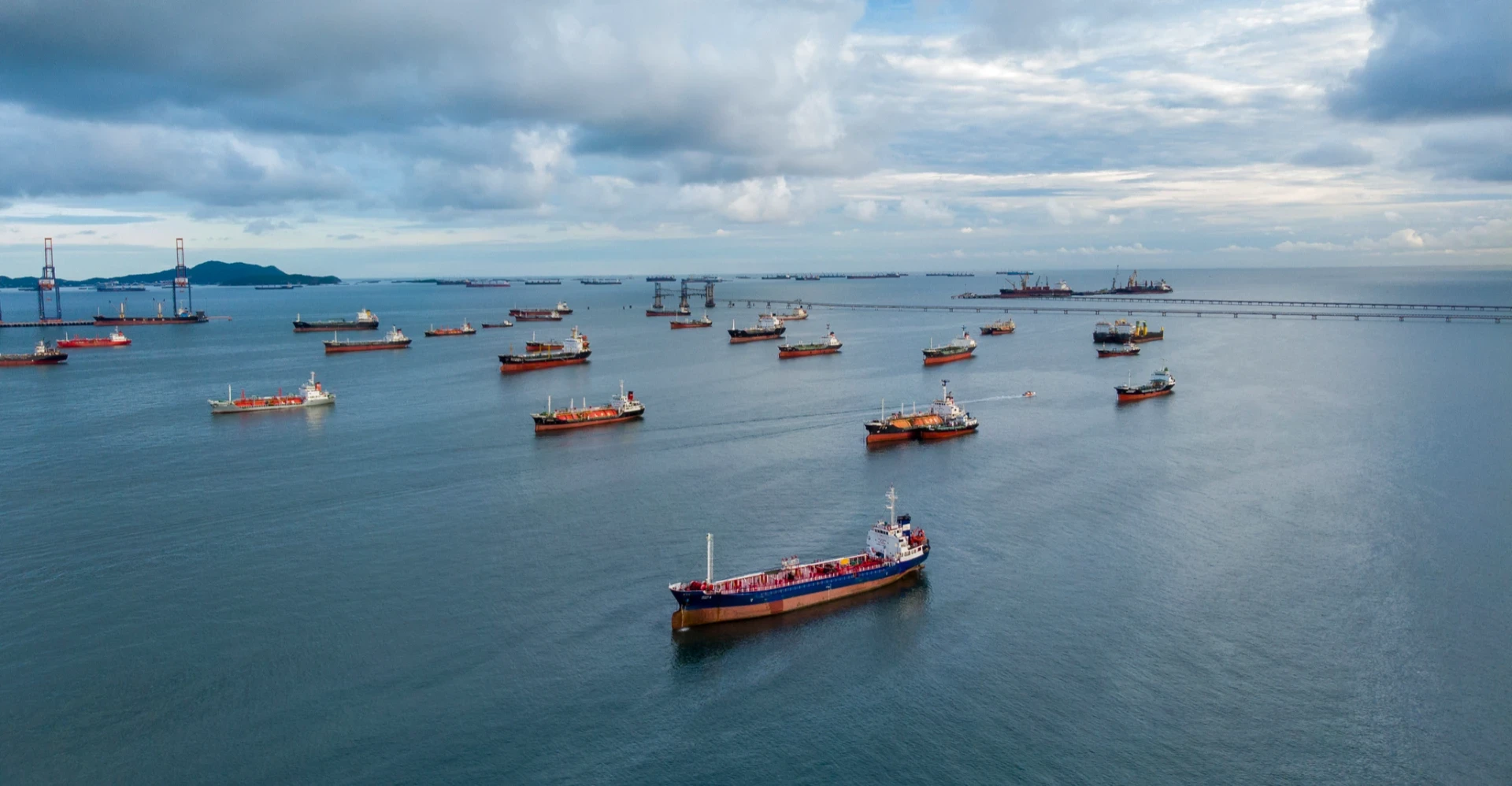
The waterway remains at the center of the standoff between Washington and Tehran. While the US Navy continues to block access to Iranian ports, Tehran maintains limits on commercial transit through the passage, which carries about 20% of global oil supplies. US Central Command (CENTCOM) announced today that since the blockade began on April 13, American forces have redirected 127 commercial vessels, facilitated the transit of 36 humanitarian-support ships, and disabled six others deemed non-compliant.
A U.S. Sailor stands watch aboard USS McFaul (DDG 74) while the ship continues to support the U.S. blockade against Iran. As of June 4, U.S. forces have redirected 127 commercial vessels, disabled 6 non-compliant ships, and allowed 36 vessels supporting humanitarian aid to pass. pic.twitter.com/H90ywJdk9c
— U.S. Central Command (@CENTCOM) June 4, 2026
Iranian crude and condensate exports, meanwhile, dropped to their lowest level in at least six years during May, averaging about 209,000 barrels per day, according to data from Vortexa. Analysts cited by Reuters linked the drop to the blockade and heightened risks around the Strait, which have discouraged shipowners, insurers, and traders from dealing with Iranian ports.
Kpler also estimated that roughly 147 million barrels of Iranian crude and condensate remain in floating storage, including about 67 million barrels in the Gulf and the Gulf of Oman, warning that another two months of restrictions could complicate supplies to China, Iran’s largest oil customer.
Read more: Force without a finish line: Iran losing war, US losing endgame