Preparatory studies begin on Kirkuk-Baniyas pipeline rehabilitation


Shafaq News- Baghdad/ Damascus
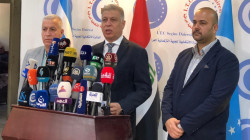
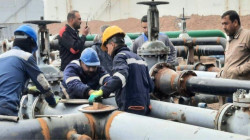
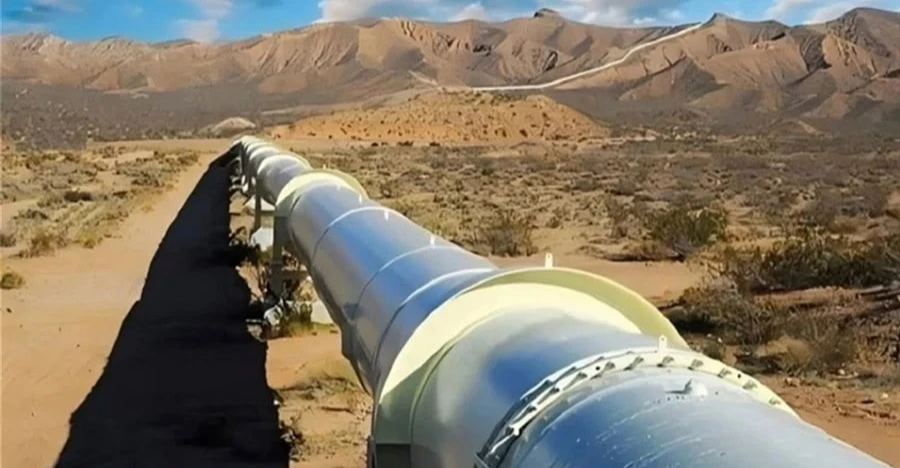
Iraq and Syria have entered the preparatory phase of rehabilitating the Kirkuk-Baniyas oil pipeline, with technical, economic, and financial studies now underway alongside an assessment of the condition of the line and its associated facilities, the state-run Syrian Petroleum Company told Shafaq News.
Two memorandums of understanding opened the phase, the company said, one concluded between the Iraqi and Syrian sides, while the second with a coalition of international companies. The American firm Chevron, through an international consortium, will manage the technical and financial aspects of the rehabilitation.
Authorities in both countries are coordinating on transport movement through border crossings and on technical and security procedures, according to the company. On tanker traffic, it said the number of trucks crossing daily from Iraq into Syria through official crossings varies according to contracted volumes, operational needs and logistical conditions, and that no precise figure could be given at present.
Condition And Cost
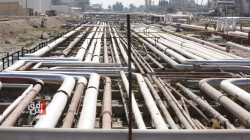
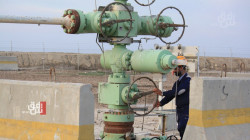
The line runs from Kirkuk, an oil-rich province in northern Iraq, to Baniyas, a port on Syria's Mediterranean coast, and has been out of service since sustaining damage during the 2003 US-led invasion of Iraq. Large sections have deteriorated in the years since, requiring a comprehensive technical assessment and replacement of numerous components, though the existing route could be retained with modifications, Syrian economic researcher Ziad Arbash told Shafaq News.
He added that rehabilitation costs are estimated at between 6 and 8 billion dollars, citing increases in the prices of construction materials and oil equipment alongside difficult economic conditions in both countries. “Financing through international partnerships, security guarantees against sabotage, and long-term export contracts are the principal conditions for the project's success,” he said.
Once operational, the pipeline would carry an initial capacity of up to two million barrels per day, according to the US State Department, reconnecting Iraqi crude to export markets through the Mediterranean. Roughly 95 percent of Iraqi oil exports currently pass through the Strait of Hormuz, the waterway at the mouth of the Gulf.
Projected Returns
Transit fees would generate annual revenues to Syria of between 150 and 200 million dollars, Arbash said, providing a sustained source of income for the public treasury. He said further expected gains include crude supplied at lower prices to support the domestic energy sector and to stimulate reconstruction projects, particularly if a refinery is built on the Syrian coast to meet local demand for refined products, with surplus available for export to Lebanon.
Over the longer term, according to Arbash, the revenues could contribute to developing Syrian ports and modernizing infrastructure tied to the energy and transport sectors. He named refining and energy, logistics and transport, and construction as the sectors likely to benefit most, alongside supporting services.
The project would create direct jobs in operations and maintenance and indirect employment in services with the potential to attract new foreign investment following the lifting of sanctions on Syria's oil ministry in July of last year. “The line could serve as a starting point for future energy projects, including natural gas transport lines, reinforcing Syria's role as a regional hub for energy and associated logistics.”
Work will move to executive agreements once the current studies are complete, the Syrian Petroleum Company said, with a schedule to be set jointly by the parties involved.
Read more: Kirkuk–Baniyas Pipeline: Iraq’s direct oil lifeline to the Mediterranean