Israel kills two Palestinians in Gaza despite ceasefire


Shafaq News– Gaza
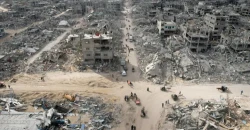
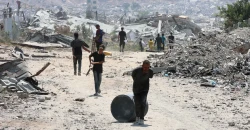
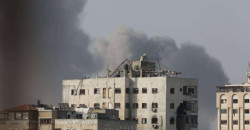
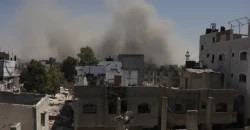
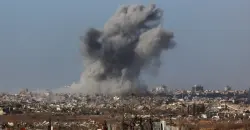
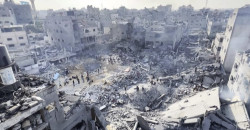
At least two Palestinians were killed and four others were injured in Israeli strikes across the Gaza Strip on Friday, as ceasefire violations persisted, according to local media.
Palestinian outlets reported attacks on several locations, including the Maghazi refugee camp in central Gaza, the Mawasi camp and eastern parts of Khan Younis in the south, and Rafah. Israeli naval vessels also pursued fishing boats off Gaza City’s coast and opened fire.
عاجل| إصابات في قصف للاحتلال لخيمة تؤوي نازحين بمواصي مدينة خانيونس. pic.twitter.com/dY1y3qsWlU
— شبكة قدس الإخبارية (@qudsn) January 30, 2026
On X, the Israeli military claimed its forces detected eight armed individuals emerging from a tunnel in Rafah, alleging that three were killed while others were targeted in follow-up strikes. Palestinian authorities, however, have not confirmed the claim.
#عاجل 🔻القضاء على إرهابيين في منطقة الشبكة الارهابية تحت الأرضية في منطقة رفح🔻خلال ساعات الليلة الماضية رصدت قوات جيش الدفاع العاملة في رفح ثمانية إرهابيين يخرجون من الشبكة الأرهابية تحت الارض في منطقة رفح حيث وفور عملية الرصد هاجم سلاح الجو وقضى على ثلاثة من الارهابيين.…
— افيخاي ادرعي (@AvichayAdraee) January 30, 2026
Since the ceasefire took effect on October 11, 2025, Israeli operations have killed at least 492 Palestinians and injured 1,356 others, the Gaza-run Health Ministry noted, raising the overall toll since the war began on October 7, 2023, to 71,667 dead and 171,343 wounded.
Read more: Gaza’s Sea: Fishing comes at the cost of death
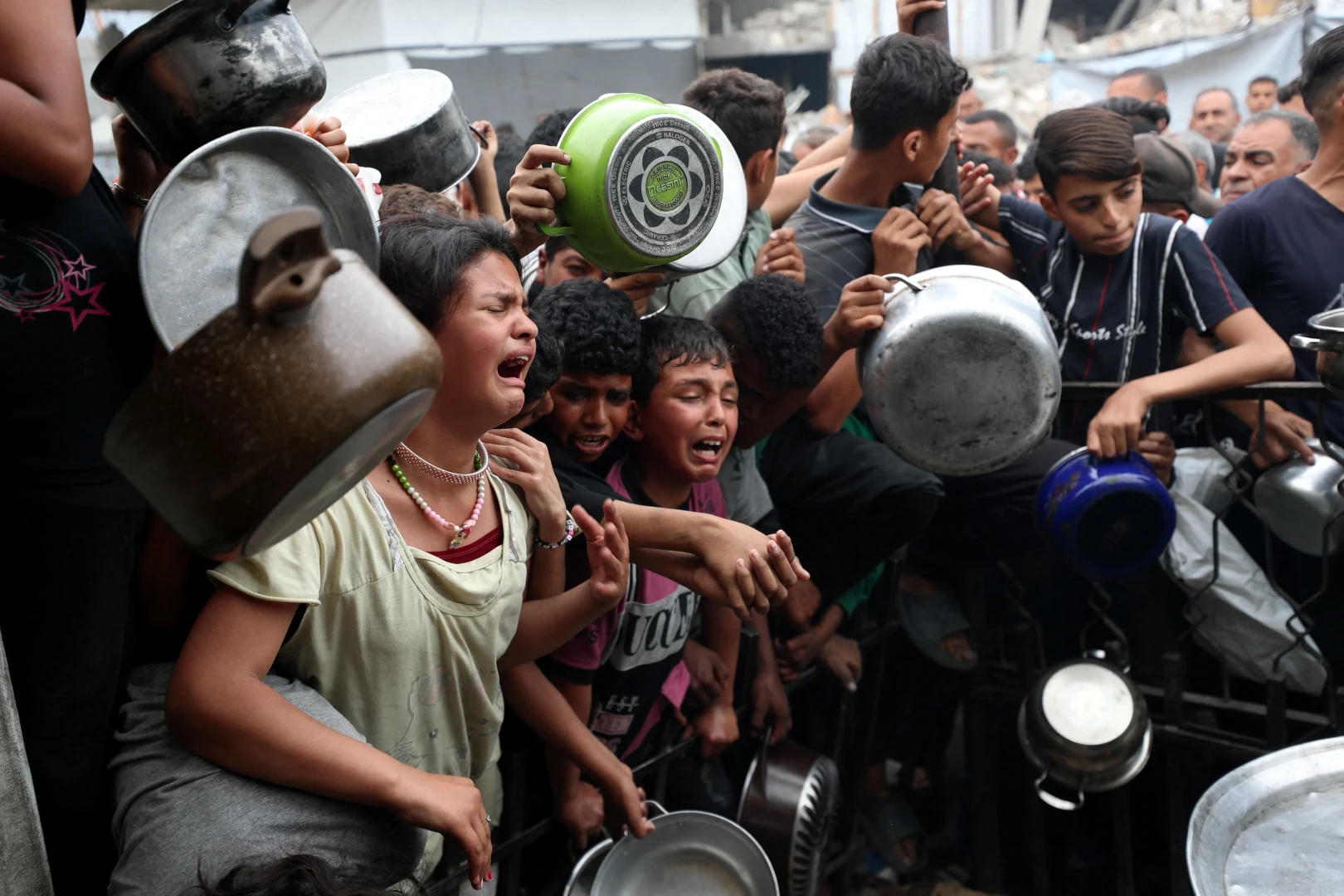
The humanitarian situation has further deteriorated as Gaza City faces an acute water shortage after damage to its main supply line cut more than 90% of capacity, Municipal spokesperson Hosni Mahna warned in remarks carried by local media, adding that over 85% of residents lack consistent access to water.
United Nations Relief and Works Agency for Palestine Refugees (UNRWA) also cautioned that humanitarian operations remain severely constrained months after the ceasefire, citing continued violence, displacement, access restrictions, fuel shortages, bureaucratic delays, and critical gaps in medical supplies, shelter, and rescue equipment. The agency said more than two million residents now require a transition from emergency relief to recovery.
"I echo the call of my colleague @RamizAlakbarov to the @UN Security Council for humanitarians to be allowed to operate at the required scale.Months after the “ceasefire”, our work continues to be hindered by continued violence, displacement and access restrictions on the… pic.twitter.com/cVo6IGKEJL
— UNRWA (@UNRWA) January 29, 2026
In late 2025, Israel revoked the operating licenses of 37 international aid organizations under new security registration rules, including Doctors Without Borders, which argued that accountability lies with those “committing these atrocities, not with those who speak out about them.”
The enclave needs about 500–600 trucks daily to provide sufficient food, water, medicine, shelter, and fuel for Gaza's population of over 2.4 million people. Recent UN data indicate that only around 40 to 100 humanitarian aid trucks are entering daily on average.
Read more: Sewage turns displaced Gazans’ lives into a fight for survival