EU urges diplomacy to keep Hormuz open, calls for end to war


Shafaq News- Brussels
The European Union on Tuesday called for “diplomatic” efforts to keep the Strait of Hormuz open, warning against military involvement after US President Donald Trump urged allies to deploy warships to secure the vital waterway.
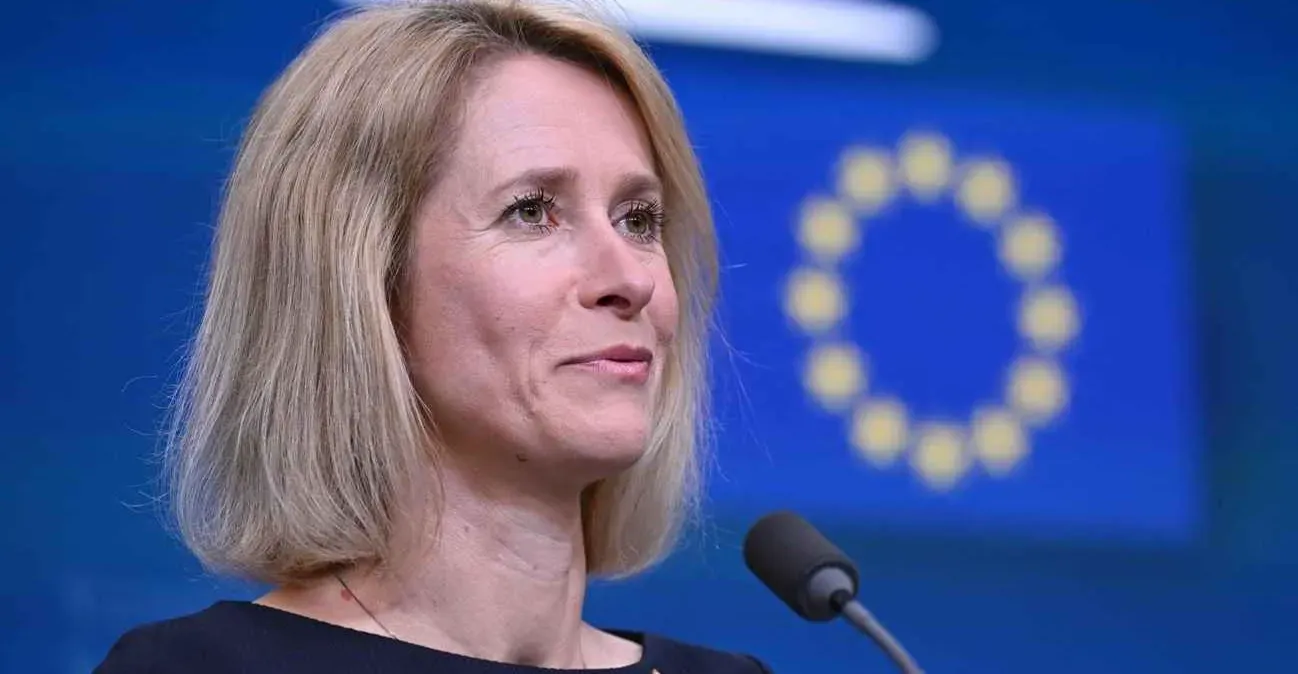
“Nobody is ready to put their people in harm’s way in the Strait of Hormuz,” EU foreign policy chief Kaja Kallas told Reuters, cautioning of potential food, fertilizers, and energy crises if disruptions persist.
Kallas, who serves as the EU's top diplomat, also signaled concern over recent US actions and the lack of coordination with European partners. “We are allies with America, but we don’t really understand their moves recently,” she said. “We had those discussions and the main concern of the European countries is that we were not consulted about starting this war; actually, the opposite.”
Cooperation within the transatlantic partnership, she emphasized, requires mutual engagement. “Every relationship has two sides. So let's look at things that we can do together. And if our participation is needed here and there, also we expect that we are consulted,” Kallas added.
When asked whether the war should be brought to an end, Kallas affirmed, "Absolutely. I think ... it would be in the interest of everybody if this war stops.”
A widening regional conflict erupted after joint deadly US–Israeli strikes on Iranian sites on February 28 targeted multiple locations across the country. Iran responded with missile and drone attacks on Israel and US military facilities across the region, and imposed restrictions on navigation through the Strait of Hormuz.
The Strait carries around 20% of global oil shipments and roughly 4.5% of world trade. Iran has indicated that shipping remains open to international shipping except for vessels belonging to the United States and its allies. Trump said securing the Strait would require time and international coordination, urging NATO allies to participate, while Japan, Australia, the United Kingdom, and France declined, citing national interest considerations and operational readiness.