Iranian Kurdish official warns ceasefire may threaten Kurdish cause


Shafaq News- Erbil
The ceasefire between the United States and Iran does not represent a final resolution to the conflict, but gives Iran temporary time to regroup, Iranian Kurdish opposition official told Shafaq News on Wednesday.
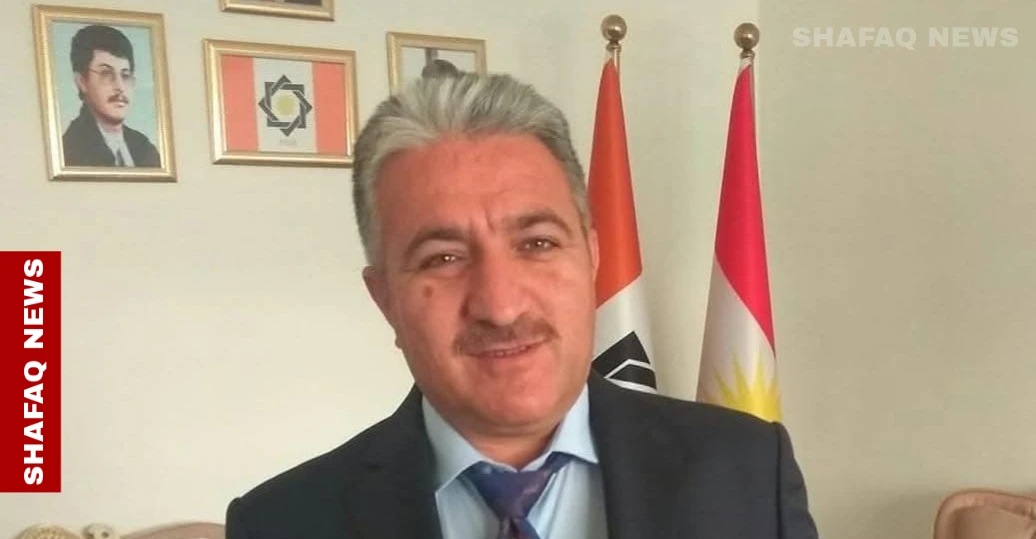
According to spokesperson for the Iranian Kurdish opposition Kurdistan Freedom Party (PAK) Khalil Nadri, while a short-term ceasefire may have limited psychological effects, a lasting one would harm the Kurdish movement across Kurdistan, arguing that “the continuation of the Iranian system would prolong threats to the Kurdish cause.”
Nadri noted that Kurdish opposition parties are not directly involved in the conflict, and decisions on continuing or halting the war remain in the hands of the United States. “Kurdish struggle in Iran extends over decades and is not tied solely to the current war, while regional developments directly influence its trajectory.”
He also said that any permanent ceasefire that does not lead to the fall of the Iranian system would allow Tehran to strengthen its regional influence and present itself as victorious, “undermining US credibility and the interests of its allies.”
Since February 28, Iranian strikes have repeatedly targeted the of Iranian Kurdish opposition groups in the Kurdistan Region of Iraq.
About Kurdish Iranian Opposition
The Iranian Kurdish opposition comprises various political and armed movements advocating for Kurdish rights, many of which have been based in the Kurdistan Region of Iraq. Below is a summary of the key groups:
• Kurdistan Democratic Party of Iran (KDPI): Founded in 1945, led by Mustafa Hijri
• Komala Party of Iranian Kurdistan: Founded in 1969, led by Abdullah Mohtadi
• Khabat (Organization of Iranian Kurdistan Struggle): Founded in 1980, led by Babashekh Hosseini
• Kurdistan Freedom Party (PAK): Founded in 1991, led by Hussein Yazdanpanah
• Free Life Party of Kurdistan (PJAK): Founded in 2004, led by Siamand Moeini and Zilan Vejin