About 700 attacks hit Iraqi Kurdistan, 48 during ceasefire period


Shafaq News- Erbil
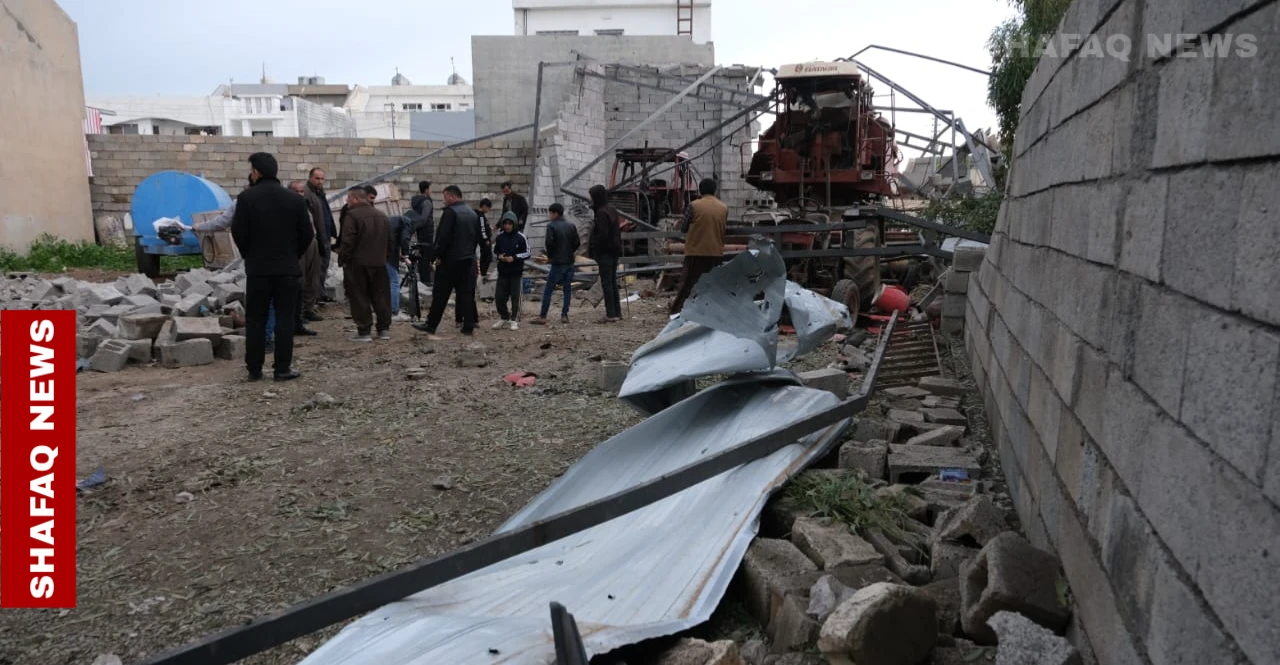
The Kurdistan Region of Iraq has sustained 695 attacks by the Iranian Revolutionary Guard Corps and affiliated armed groups since the outbreak of the US-Israel war on Iran on February 28, including 48 attacks after the ceasefire was declared on April 8, according to a report by Community Peacemaker Teams – Iraqi Kurdistan (CPT-IK).
Of the total, 647 attacks were recorded during the first 40 days of the conflict, between February 28 and the ceasefire announcement.
Before the ceasefire
US diplomatic and military facilities were the most frequently targeted, absorbing 277 attacks — 42.8 percent of the total. Civilian and non-belligerent infrastructure, including Peshmerga facilities, residential areas, oil fields, refineries, and telecommunications sites, accounted for 224 attacks, while Iranian Kurdish opposition party camps and bases were struck 146 times. The IRGC was responsible for 31.8 percent of strikes, with affiliated groups carrying out the remaining 68.2 percent.
During the ceasefire
That order reversed after April 8. Of the 48 post-ceasefire attacks, 37 — or 77.1 percent — targeted Iranian Kurdish opposition party camps and bases. Civilian areas and Peshmerga facilities were hit seven times, while US diplomatic and military sites were struck only four times, the lowest proportion of any phase of the conflict. The IRGC's direct share of attacks rose to 75 percent, with affiliated groups accounting for 25 percent. CPT-IK said the shift indicates that the IRGC recalibrated its targeting priorities under the cover of the ceasefire, moving away from US installations and toward Iranian Kurdish opposition groups based in the region.
Geography and weapons
Erbil province absorbed the overwhelming majority of strikes — 544 attacks, or 78.3 percent of the total — owing to the presence of the US Consulate General, American military installations, and the headquarters of Iranian Kurdish opposition parties in the province. Sulaymaniyah recorded 123 attacks, Duhok 22, and Halabja six.
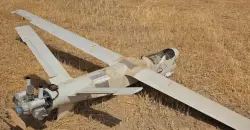
Suicide drones were the dominant weapon, accounting for 551 of the 695 attacks. Missiles were used in 131 strikes, artillery fire in 12, and small arms in one. Air defense systems, fighter aircraft, or other countermeasures intercepted 407 attacks — a rate of 58.6 percent.
Casualties and damage
The human toll since February 28 stands at 123 casualties: 22 killed and 101 injured, among them at least 24 civilians. Material damage includes more than 67 homes and residential buildings and 45 civilian vehicles.