PMF Law faces uncertain future in Iraq’s Parliament


Shafaq News – Baghdad
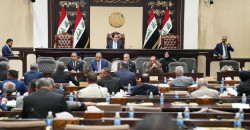
Amid heightened political maneuvering, efforts to pass the long-debated Popular Mobilization Forces (PMF) Authority Law in the Iraqi parliament face obstacles, despite recent initiatives by lawmakers to gather signatures for an extraordinary session.
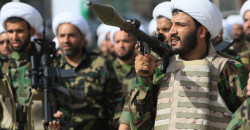
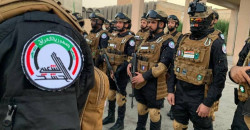
A parliamentary source told Shafaq News that while some MPs are preparing for a symbolic session, possibly even attending in PMF military attire, the chances of approving the law during the current legislative term remain slim.
The source explained that Iraq’s main political leaders have yet to reach binding agreements on controversial legislation, making it likely that the PMF law will be postponed to the next parliament if elections are held on schedule.
According to the same source, parliamentary discussions are now centered on political arrangements after the elections. Parties and leaders broadly agree on the need to form a new government within 30 days of announcing results, but the decisive factor will remain the private deals struck among Iraq’s dominant political figures.
MP Thaer Mokheef told Shafaq News that although many deputies value the sacrifices of the PMF and want to see its law enacted, the collection of signatures alone does not guarantee a vote. “Many lawmakers want a dedicated session to pass this law due to its importance, but so far no date has been set,” he said. Mokheef argued that the real obstacle lies in US opposition, warning that Washington seeks to block the legislation and may attempt to reassert influence in Iraq.
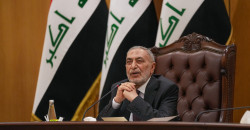
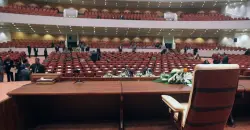
Parliament has been paralyzed since August 5. MP Jawad al-Yasari confirmed to Shafaq News that there has been no directive from the speaker’s office nor any concrete scheduling to resume legislative sessions on key bills.
The PMF, formally established in 2014 to fight ISIS, has since grown into a powerful paramilitary institution integrated into Iraq’s security apparatus but often accused of retaining political and militia loyalties. The proposed law seeks to regulate its status, benefits, and legal framework, an issue that continues to divide Iraq’s leadership.