Over 110,000 Sinjar residents still displaced after nearly 12 years


Shafaq News– Duhok
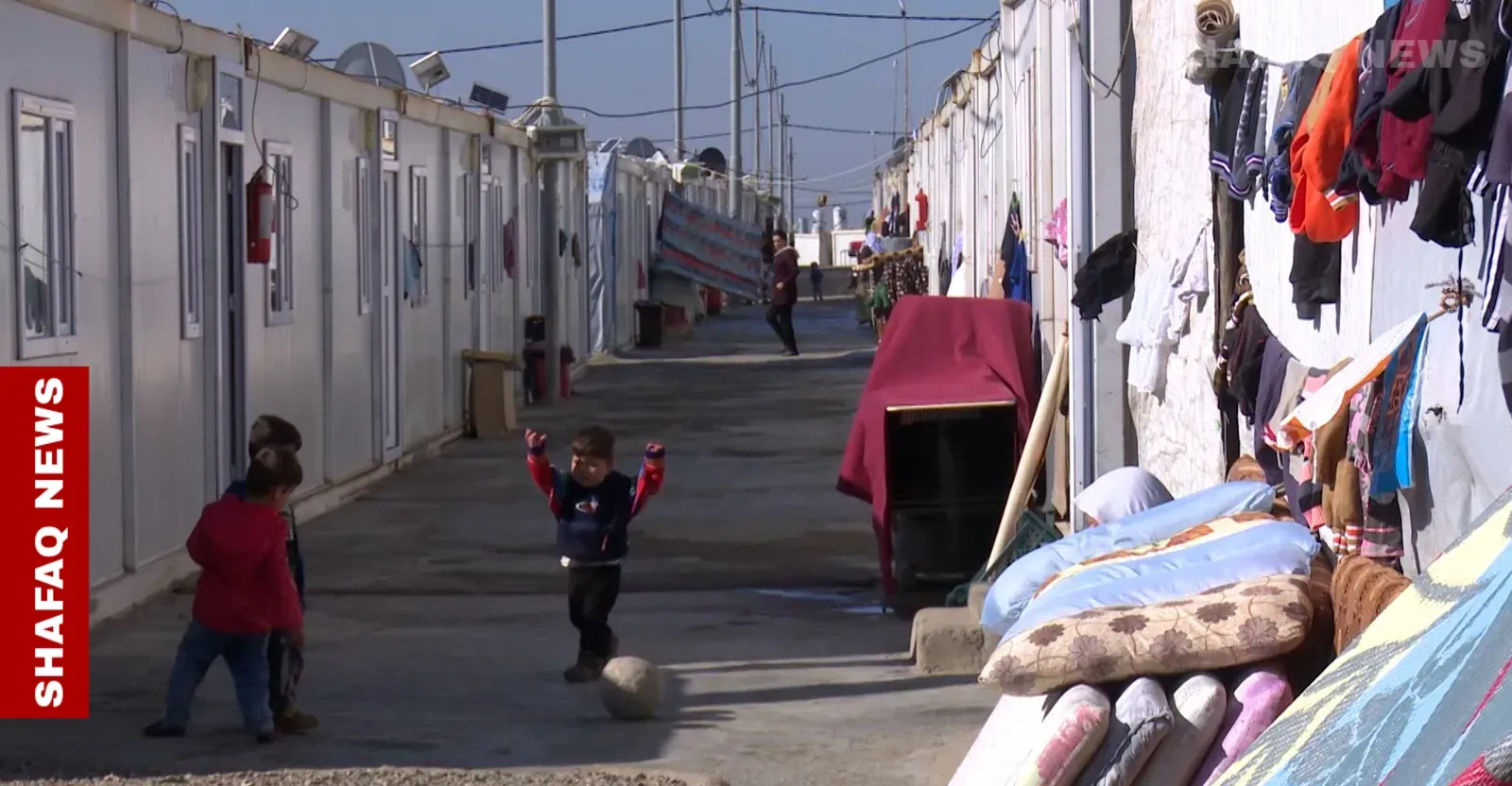
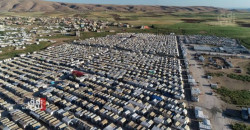
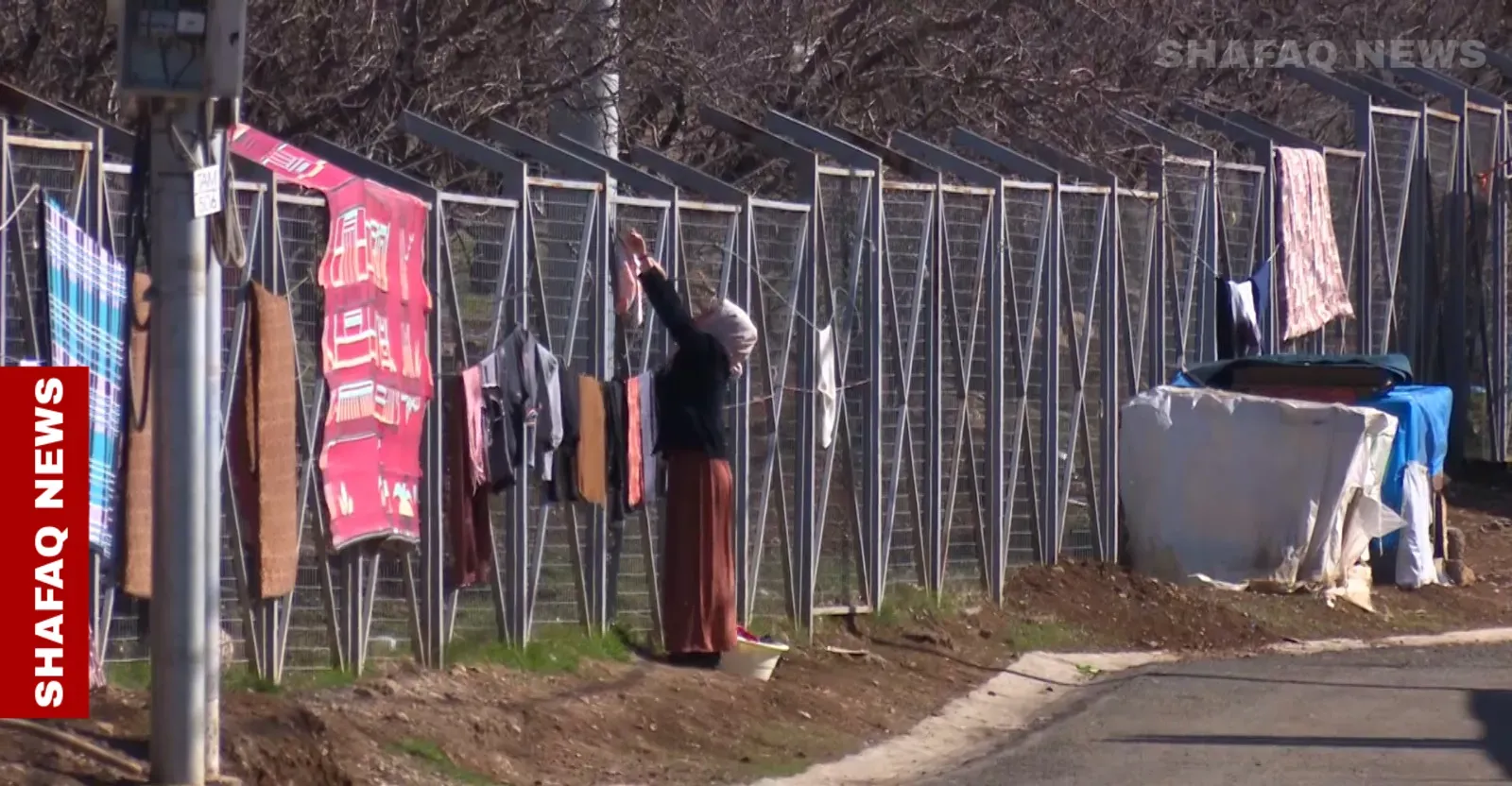
The displacement crisis from Iraq’s Sinjar district remains unresolved more than a decade after it began, with about 110,000 residents still living in camps and unable to return, according to Duhok’s Department of Migration, Displacement, and Crisis Response.
Speaking to Shafaq News on Sunday, Dian Jafar, the department’s head, estimated that another 170,000 displaced Sinjar residents live outside camps, mostly across Duhok province. He faulted limited federal engagement, noting that while displacement files elsewhere in Iraq have largely closed, Sinjar continues to face prolonged neglect. Many families, he added, have remained displaced for nearly 12 years, primarily in Duhok and the Zakho autonomous administration.
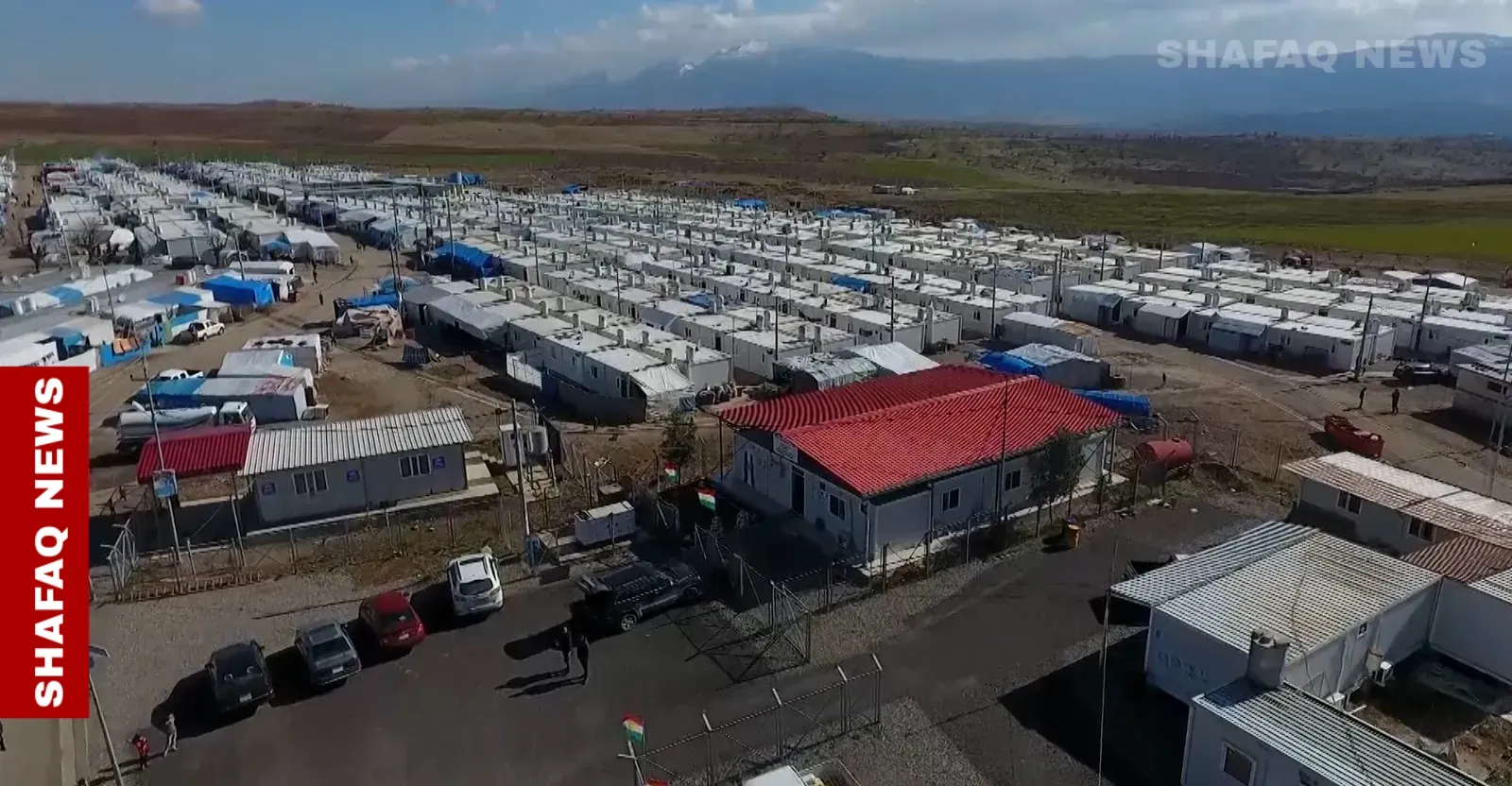
Duhok currently hosts 15 camps for internally displaced Iraqis, rising to 21 when refugee sites are included, Jafar said, attributing stalled returns to delayed compensation, ongoing security instability, and the presence of non-state armed groups in Sinjar.
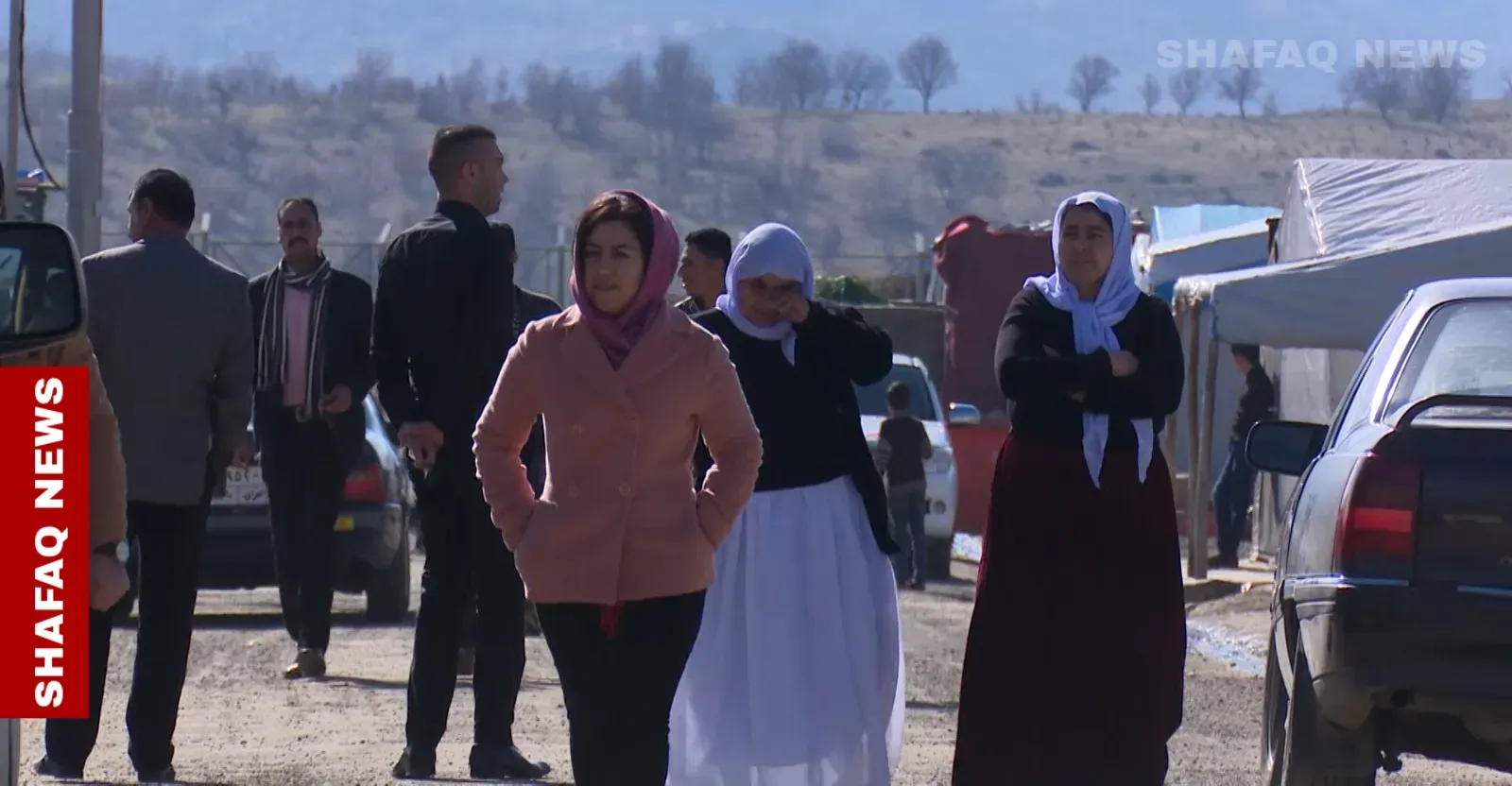
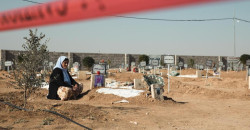
ISIS overran Sinjar in 2014 and carried out mass killings before Kurdish Peshmerga retook the area in 2015. In 2017, the Iraqi army, backed by the Popular Mobilization Forces (PMF), asserted control over the area following tensions between Baghdad and the Kurdistan Region after the independence referendum. The Kurdistan Workers’ Party (PKK) later formed a local affiliate, the Sinjar Protection Units, whose members receive salaries under the PMF structure.
Recent years saw more than 800 families return to Duhok after finding their home areas uninhabitable. Jafar previously reported that of 600 families registered to return to Sinjar, only half proceeded after Baghdad failed to deliver a promised four-million-dinar ($2,800) resettlement grant.