Iraq showcases tourism ambitions at Baghdad Travel Market


Shafaq News- Baghdad
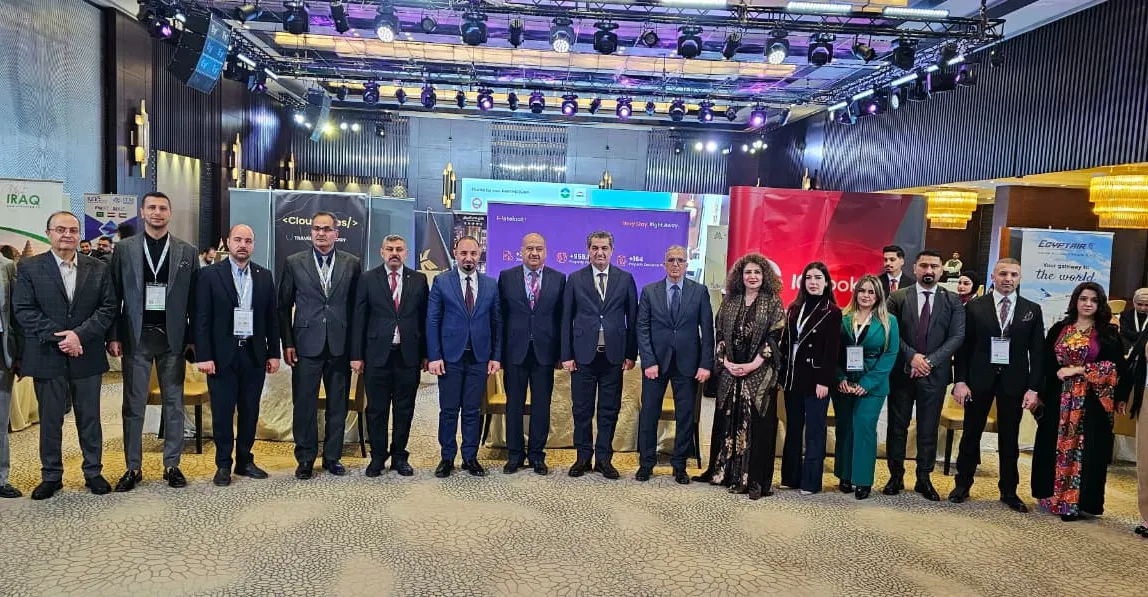
Iraq on Saturday launched the fourth edition of the Iraqi Travel Market in Baghdad, seeking to attract foreign airlines, travel companies, and investors as it works to expand tourism and diversify its economy after decades of conflict.
The two-day event, held under the supervision of the Iraqi Tourism Authority, brought together diplomats and regional and international tourism firms, including airlines, hotels, and booking platforms, from across Iraq, the Kurdistan Region, and abroad.
Mahdi Al-Saadi, head of the Tourism Groups Department at the authority, told reporters that the market aims to position Iraq as a major tourism destination in the Middle East, highlighting archaeological sites, cultural heritage, and religious tourism.
The exhibition features dedicated sessions explaining electronic visa procedures for Arab and foreign visitors, as part of broader efforts to ease entry requirements and encourage travel to Iraq, Iraqi Travel Market director Qaisar Tareq said.
Tourism has emerged as a growing economic sector in Iraq in recent years. Government data shows that millions of foreign visitors entered the country in 2025, most of them traveling to the holy cities of Najaf and Karbala. Iraqi Kurdistan’s Duhok province alone recorded about 1.7 million visitors that year.
During Arbaeen 2025, more than 20 million pilgrims took part overall, including visitors, mainly from Iran, Pakistan, Gulf states, and South Asia. The Ministry of Culture, Tourism, and Antiquities revealed that religious tourism generates billions of dollars annually, supporting hotels, transport services, food businesses, and small enterprises in central and southern Iraq.
Still, Iraq has set a long-term goal of attracting 10 million foreign visitors annually to expand beyond religious tourism. To support growth, Iraq expanded its electronic visa system to include nationals of more than 60 countries. The tourism ministry has also licensed dozens of new travel agencies and hotels and launched rehabilitation projects at key archaeological and heritage sites, including Babylon, Ur, and parts of Mosul’s old city.
Read more: Faith and finances: Religious tourism fuels Iraq’s econom