Iraqi faction leaders restrict movement amid assassination threats


Shafaq News- Baghdad
Leaders of several Iraqi armed factions have tightened security amid fears of possible assassinations, a political source revealed to Shafaq News on Saturday, as the war between Washington and Tel Aviv on one side and Tehran on the other entered its eighth day.
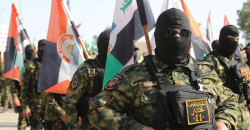
The source, who is close to Shiite factions with armed wings, said several figures have curtailed public appearances, avoided open gatherings, and rearranged their daily movements after receiving information warning of possible “qualitative targeting operations” that could be carried out by Israeli or US aircraft.
The precautions follow the public alignment of several faction leaders with Iran and claims of attacks on locations in Iraq, including sites in Erbil, bases hosting US forces, and areas near Baghdad International Airport where the Victoria Base is located. Some groups have also announced operations they say were conducted outside Iraq. According to the source, internal assessments within these circles suggest the escalation could move “from targeting sites and headquarters to pursuing specific senior figures.”
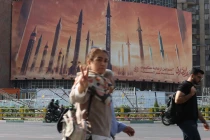
A widening regional conflict erupted after joint US–Israeli strikes on Iranian sites on February 28 targeted several locations across Iran, including a girls’ school where the United Nations Children’s Fund (UNICEF) reported that 168 students were killed. Iran responded with missile and drone attacks against Israel and US military facilities across the region, including bases in Bahrain, Iraq, Jordan, Kuwait, Oman, Qatar, Saudi Arabia, and the United Arab Emirates.
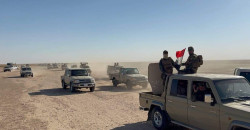
In Iraq, factions aligned with Tehran have stepped up operations under the banner of the Islamic Resistance in Iraq, claiming rocket and drone strikes on what they describe as “enemy bases,” while units of the Popular Mobilization Forces (PMF) have reported deadly drone attacks targeting their positions in several Iraqi cities since the escalation began.
Read more: Post-Khamenei Iraq: Factional pressure Vs. state sovereignty