Iraq activates whistleblower rewards as corruption reports top 26,000


Shafaq News- Baghdad
Iraqis have filed more than 26,000 corruption reports with the Integrity Commission, the country's main anti-corruption body, according to government spokesman Haidar al-Aboudi, in a surge the government links to the Dawn Crackdown (Sawlat al-Fajr) national campaign launched on June 28.
Prime Minister Ali al-Zaidi ordered the activation of a long-dormant law providing financial rewards for people who report corruption during an Aug. 29 visit to the commission, calling the fight against corruption the country's “first line of defense.”
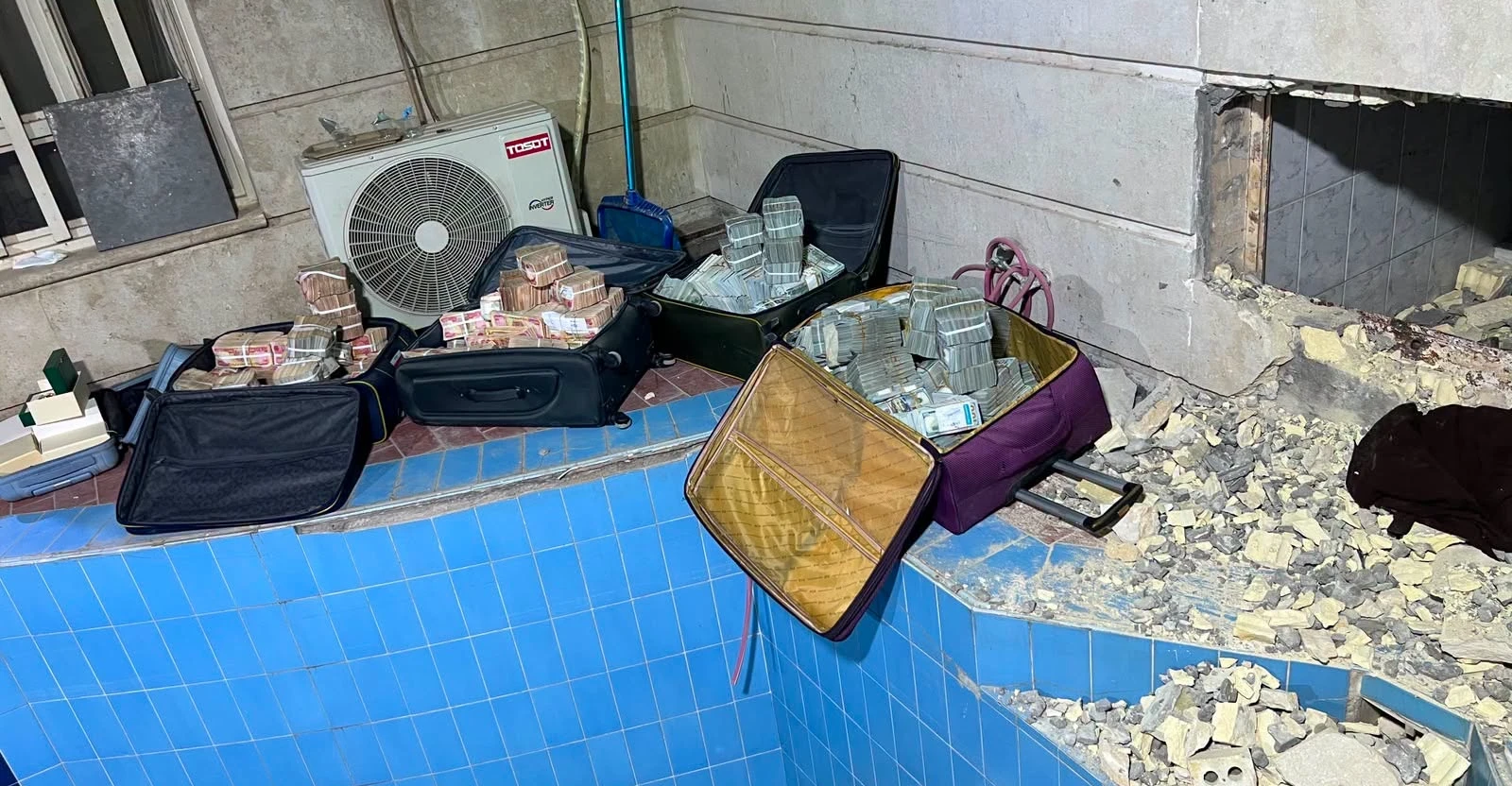
Al-Aboudi said the value of recovered funds, assets, and property has passed 1.359 trillion dinars (roughly $1.04B), much of it during the campaign. Al-Aboudi said the government was also pursuing institutional reforms, including greater automation of public services to reduce direct contact between citizens and officials and limit opportunities for bribery.
The campaign has not been limited to arrests. The government and the Integrity Commission have also moved to strengthen prevention, audit state contracts, and monitor projects and border crossings.
How The Reward And Protection System Works
Iraq's legal framework combines a financial incentive for informants with measures meant to shield them, according to legal researcher Ali al-Tamimi. He cited two laws: the Informant Rewards Law No. 33 of 2008 and the Law on the Protection of Witnesses, Experts, Informants and Victims No. 58 of 2017.
The 2008 law sets a reward for citizens whose information leads to the recovery of state funds or exposes theft, embezzlement, forgery, or administrative corruption, al-Tamimi told Shafaq News. The reward is 5 percent of recovered money up to 100 million dinars and 3 percent of any amount above that, he explained, while reporting a forgery that leads to an arrest can bring up to 500,000 dinars. Payment depends on the money being recovered and a final court ruling, with the informant's identity kept confidential.
The 2017 law provides security, judicial, and social protection, al-Tamimi said, including concealing an informant's identity, relocating them when necessary, and allowing testimony to be given in ways that preserve secrecy. It also established a witness-protection division within the Interior Ministry to assess risks and carry out protective measures.
“Together, the two laws create a balance of reward and protection that can help investigators reach information that is hard to obtain by conventional means.”
Vetting The Reports
The commission is empowered to sort and verify the reports it receives, said lawyer Ahmed al-Abadi. Article 13 of the Integrity Commission law lets the body handle and filter reports, including setting aside any that contain no crime or that inquiries show to be false, while an investigating judge can request and examine a report.
The commission evaluates each report and refers cases showing evidence of possible wrongdoing to an investigating judge, al-Abadi said. The judge can then hear witnesses, gather evidence and question suspects before referring a case to court if there is sufficient evidence of a crime.
The reward system provides an additional filter because payments are made only when information produces legal results and leads to the recovery of funds, he said. Reports found to be malicious or rooted in personal disputes can be dismissed, while informants' identities are kept confidential to protect them from retaliation.
The Risk Of Overload
Mohammed al-Rubaie, head of Al-Nahrain Foundation for Supporting Transparency and Integrity (NFTI), said the volume of reports reflects real public participation and support for the campaign but also exposes an institutional challenge. He noted that the 2008 rewards law had existed for years without being activated before it was revived in the current campaign, which he said raises questions about how effectively oversight legislation is applied.
“Receiving 26,000 reports requires an electronic and governance system capable not only of taking in information but of analyzing it, classifying it, and linking it to the backgrounds of those who submit it and the nature of the claims,” al-Rubaie said, alongside an institutional structure able to handle that volume of cases.
He warned of a further danger he called a "flooding" tactic, in which networks tied to corruption could file multiple false reports against a single person as investigations close in, aiming to scatter judicial effort and prolong inquiries. In such cases, “the courts could face dozens or hundreds of reports against the same person, some containing real information and others without basis, forcing parallel financial, administrative, and judicial investigations that take a long time.” That, al-Rubaie said, could overwhelm oversight bodies and weaken their ability to reach the most important cases.
Political analyst Ziad al-Arar said activating the rewards system could strengthen cooperation between citizens and oversight bodies, but warned that the surge in reports would require effective screening.
He proposed specialized follow-up committees to distinguish credible reports from those driven by political or personal motives. “Involving citizens in fighting corruption should not become a substitute for oversight institutions, but part of an integrated system in which the relevant authorities handle verification, investigation and referral to the courts,” he said.
Read more: Iraq’s Dawn Crackdown spreads through state institutions: What the latest cases reveal
Written and edited by Shafaq News staff.