Baghdad-Erbil oil dispute exposes constitutional fault lines


Shafaq News
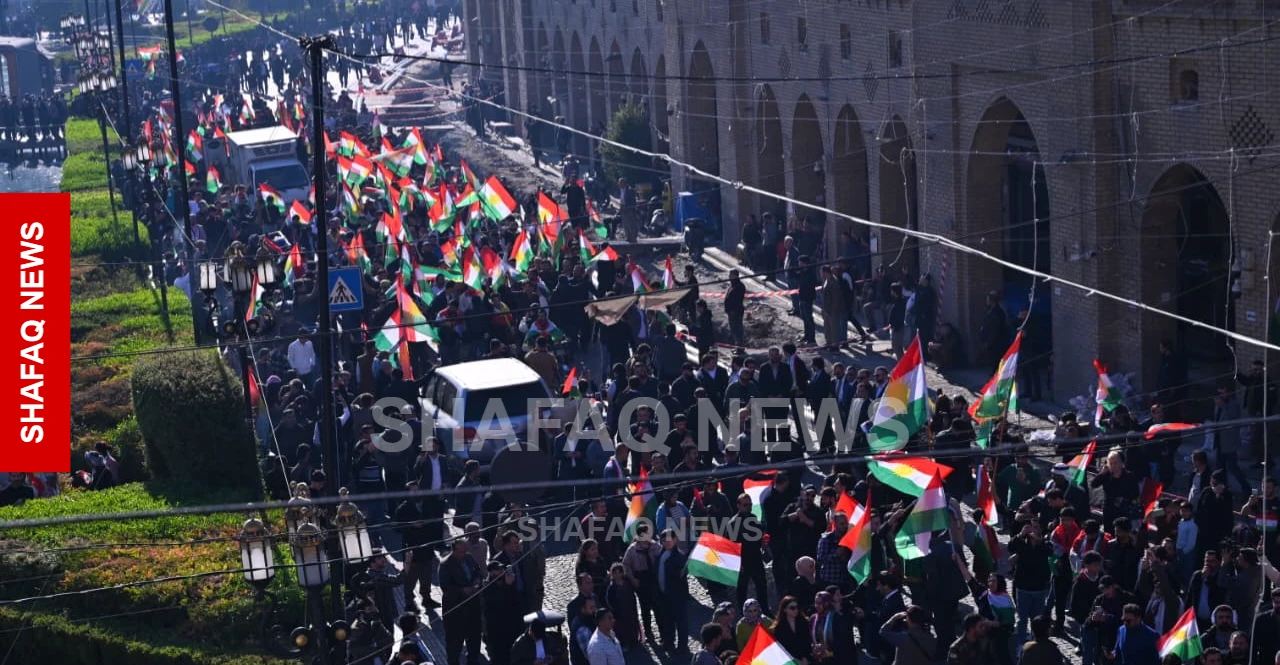
Recent federal measures governing border crossings and oil operations have reignited a constitutional dispute between Baghdad and Erbil, exposing longstanding disagreements over the division of powers under Iraq's federal system. Political figures on both sides have called for dialogue and adherence to the constitution to resolve the standoff.
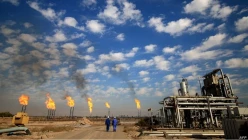
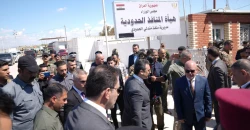
Tensions escalated after Prime Minister Ali Al-Zaidi issued a series of decisions on Tuesday following investigations into alleged oil smuggling involving the North Oil Company. The measures include transferring management of border crossings in the Kurdistan Region (KRI) to the federal Border Ports Commission, closing unofficial crossings, banning crude oil and petroleum product exports without approval from the federal Oil Ministry, and placing oil fields under KRI security control to the ministry.
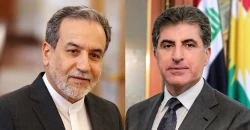
The decisions drew objections from the Kurdistan Region's leadership. KRI President Nechirvan Barzani called for disputes to be resolved through the constitution and a sense of national responsibility, rejecting the use of military language in dealing with Erbil. Kurdistan Regional Government (KRG) Prime Minister Masrour Barzani described the measures as unacceptable and in violation of understandings reached during previous talks with Baghdad. The Kurdistan Democratic Party (KDP) and Patriotic Union of Kurdistan (PUK) also warned that any infringement of the KRI rights is “a red line.”
The Constitutional Fault Line
Politician Abdul Salam Brovari said the constitution clearly distinguishes between powers reserved exclusively for the federal government and responsibilities shared with regional and provincial governments.
Citing Article 114, which provides for coordinated customs administration between federal and regional authorities, Brovari explained that the objection was not to the state's efforts to prevent smuggling and enforce its authority, but “to the language used by Sabah Al-Numan [spokesman for the commander-in-chief of the armed forces] when announcing the decisions.”
Brovari argued that references to handover arrangements went beyond Al-Numan's authority, and that constitutional and legal matters should be addressed by the relevant institutions. He added that statements from the Kurdistan Region presidency, the KDP, and the Kurdistan Parliament support efforts to prevent smuggling and strengthen state control. However, he said, such measures “must follow constitutional procedures; otherwise, the dispute could weaken the federal system or lead to a return to centralized rule.”
The Case for Federal Control
Fahd Al-Jubouri, a senior figure in the National Wisdom Movement (Al-Hikma), said the government's decisions were grounded in the constitution and backed by the Coordination Framework (CF). He outlined four priorities behind the measures: deploying Iraqi troops along the borders with Turkiye and Iran, unifying customs procedures, overseeing oil production and management, and regulating non-oil revenues.
“Customs fees at some border crossings were as low as half the federally approved rates, resulting in losses to public revenues. Unifying tariffs and closing unofficial crossings would help address these discrepancies,” Al-Jubouri said.
On oil, he said the government plans to hire a specialized company to determine production volumes in the Kurdistan Region. Revenues would then be deposited into a unified account before financial entitlements are distributed in accordance with constitutional and legal provisions.
Al-Jubouri defended deploying federal forces along the borders with Turkiye and Iran as a way to help address security concerns, dismissing the prospect of a confrontation with Erbil and stressing that the dispute should be resolved through legal procedures and dialogue.
Calls to Preserve Federalism
Iraqi politician Mithal Al-Alusi said relations between Baghdad and the Kurdistan Region should be governed by existing laws and mutual respect between institutions, rather than threats or attempts to impose decisions through pressure.
“The KRI is a constitutionally recognized entity and should not be treated as an outside actor or dealt with according to political preferences,” he said, adding that neither Baghdad nor Erbil has the right to bypass the constitution or use pressure to impose its position, regardless of the complexity of the dispute.
Competing Constitutional Interpretations
The dispute also stems from differing interpretations of constitutional provisions defining the respective powers of Baghdad and Erbil.
The federal government invokes Article 110, which grants Baghdad exclusive authority over customs policy, the armed forces, and border protection. The Kurdistan Region, however, points to Article 114, which identifies customs management as a shared responsibility requiring coordination between the federal government and the KRG.
The constitution also sets out provisions governing oil and gas. Article 111 stipulates that oil and gas belong to all the Iraqi people, while Article 112 provides for the joint management of oil and gas extracted from existing fields by the federal government and the governments of producing regions and provinces.
Erbil also invokes Article 115, which assigns powers not expressly reserved for the federal government to regional authorities and provinces not organized into a region, giving their laws precedence in disputes concerning shared powers.
Beyond these provisions, the Kurdistan Region has called for the implementation of Article 140, which addresses disputed territories, and the fulfillment of outstanding constitutional requirements, including the establishment of the Federation Council. However, the absence of a comprehensive federal oil and gas law has left key questions unresolved, including the scope of federal oversight, control over production, and the distribution of revenues.
The Court Weighs In
The Federal Supreme Court issued a constitutional interpretation on Wednesday affirming the federal government's authority to deploy forces along international borders, including areas under the Kurdistan Region's administration, and to oversee agencies operating at border crossings.
The court also affirmed the federal Oil Ministry's authority to supervise and audit oil and gas fields, while maintaining that managing extracted resources remains a shared responsibility between Baghdad and the governments of producing regions and provinces.
The ruling upheld several of the federal powers at the center of the dispute but did not resolve Erbil's objections to the government's measures.
Following a cabinet meeting, the KRG reiterated its rejection of the measures, describing them as a dangerous departure from federalism.
Political analyst Ziad Al-Arar said the dispute extends beyond border security and crossings, reflecting longstanding disagreements over disputed territories, Article 140, and the absence of comprehensive federal oil and gas legislation. He argued that the court's latest interpretation clarified the federal government's authority to protect international borders and oversee border crossings, which he described as matters of state sovereignty.
However, he said, resolving the dispute “will remain difficult given objections from Kurdistan Region officials.” Despite the sharp political exchanges, Al-Arar expects the latest developments to pave the way for renewed negotiations between Baghdad and Erbil.
Read more: Baghdad-Erbil budget dispute: What obstructs a deal?
Written and edited by Shafaq News staff.