US, Iran sign remote memorandum to end war


Shafaq News- Washington
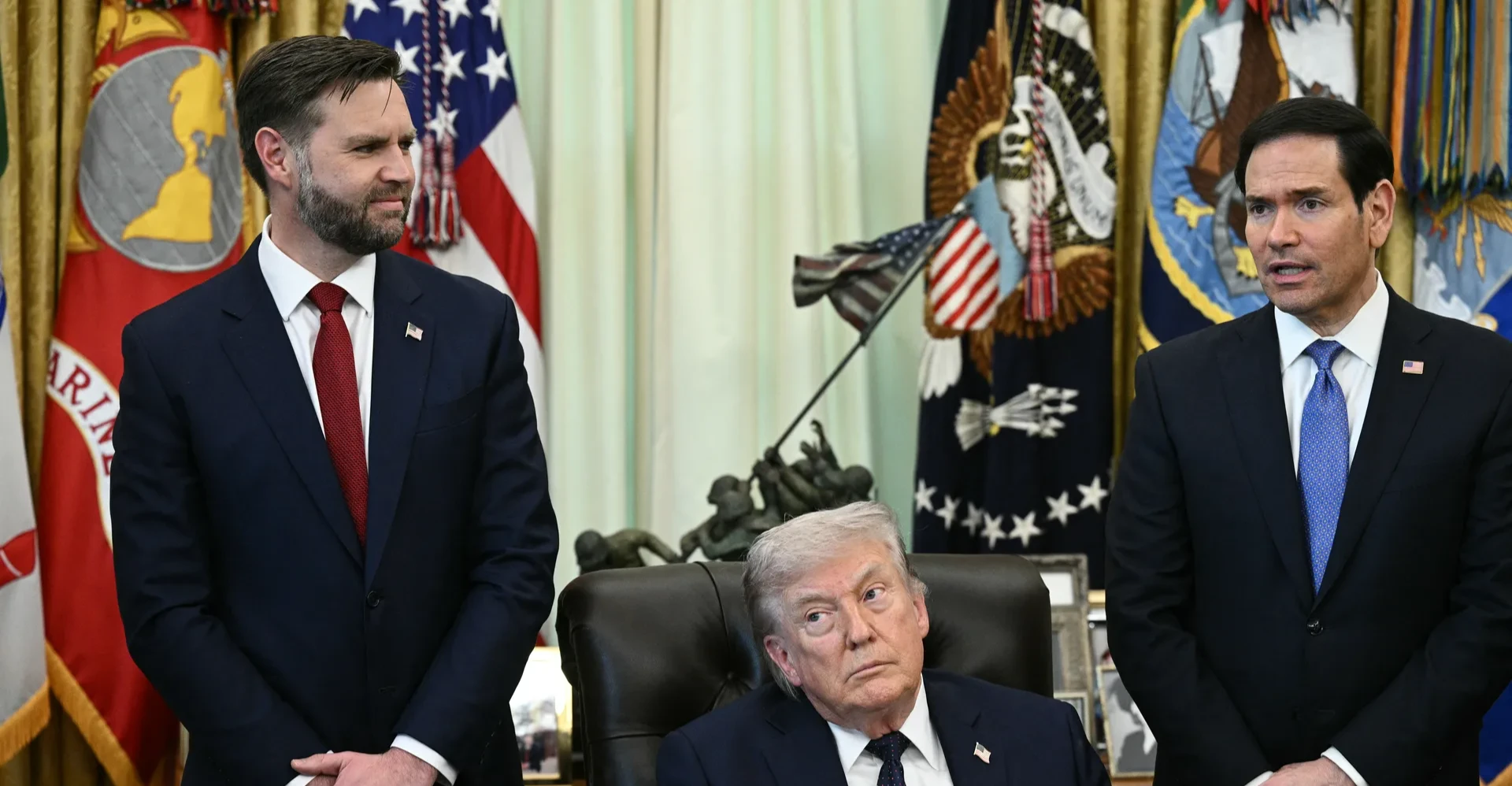
US President Donald Trump and Iranian President Masoud Pezeshkian signed a memorandum of understanding remotely on Wednesday to end hostilities and reopen the Strait of Hormuz, in a surprise move that preceded planned talks in Switzerland and launched a 60-day process toward a broader agreement on Iran's nuclear program and sanctions relief.
Citing US officials, Axios reported that the memorandum has entered into force after Trump signed the document during a dinner in France alongside French President Emmanuel Macron before a copy was transmitted to Iran and the mediators.
Iran's Foreign Ministry confirmed that both presidents agreed to sign the memorandum electronically, while negotiations between US and Iranian delegations remain scheduled for Friday in Switzerland to discuss a final agreement, particularly issues related to Iran's nuclear program.
According to the text published by Reuters, the document, titled the "Islamabad Memorandum of Understanding between the United States of America and the Islamic Republic of Iran," comprises 14 articles establishing a temporary framework to end military operations, lift the maritime blockade, and reopen the Strait of Hormuz, while deferring more contentious issues to subsequent negotiations.
The memorandum stipulates an immediate and permanent cessation of military operations across all fronts, including Lebanon, and commits both sides and their allies to refrain from war, military action, or threats of force, while affirming respect for Lebanon's sovereignty and territorial integrity.
Read more: Trump’s balancing act with Iran tests diplomacy and deterrence
Under the agreement, Washington and Tehran pledged to respect each other's sovereignty and refrain from interference in internal affairs, while launching negotiations on a final settlement within 60 days, with the option of an extension by mutual consent.
The United States committed to immediately begin lifting maritime restrictions on Iran and to fully remove the blockade within 30 days. The memorandum also calls for the withdrawal of US forces from areas surrounding Iran within 30 days of a final agreement.
In return, Iran pledged to ensure the safe, toll-free passage of commercial vessels between the Gulf and the Gulf of Oman for 60 days, with shipping traffic expected to resume immediately and gradually return to pre-war levels within a month following demining operations and the removal of technical and military obstacles.
The document further requires Iran to engage with Oman and Gulf states bordering the strait on the future management of maritime services in Hormuz per international law and the rights of coastal states.
Economically, the United States pledged, in coordination with regional partners, to develop a reconstruction and economic development plan for Iran worth at least $300 billion, with implementation mechanisms to be defined in the final agreement.
Read more: Iran is losing the war, the US is losing the endgame
Washington also committed to lifting all sanctions imposed on Iran, including UN Security Council measures, resolutions by the International Atomic Energy Agency's Board of Governors, and US primary and secondary sanctions, according to a timeline to be agreed upon in the final settlement.
On the nuclear file, Iran reaffirmed that it would neither produce nor develop nuclear weapons. Both sides agreed to determine the future of Iran's enriched uranium stockpile through a separate mechanism, with a minimum requirement of reducing domestic enrichment levels under International Atomic Energy Agency (IAEA) supervision.
The memorandum postpones decisions on enrichment levels and Iran's broader nuclear requirements until final-status negotiations while maintaining current arrangements during the interim period.
Pending the full removal of sanctions, the US Treasury Department will issue waivers allowing exports of Iranian crude oil, petroleum products, petrochemicals, and related services, including banking, insurance, and shipping transactions. The agreement also provides for the release and unrestricted use of frozen Iranian assets under procedures to be negotiated by both sides and administered by Iran's central bank.
A joint implementation mechanism will oversee compliance with the memorandum and any subsequent final agreement. Under the final article, the permanent agreement is expected to receive binding endorsement from the UN Security Council, providing the settlement with international legal backing.