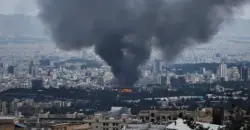
Israel launches strikes on Iran as three explosions reported in Tehran


Shafaq News- Tehran
Tel Aviv launched a preemptive attack on Iran, Israeli Defense Minister Israel Katz said on Saturday, declaring an immediate state of emergency across Israel.
In a separate statement, Katz announced what he described as “a second wave of attacks on Iranian targets.”
Israel’s Army Radio, citing a source, indicated that the operation targeted official institutions, missile facilities, and security sites. Israeli media projected that the initial phase could continue for four days. Channel 12, referencing a military source, stated that the strikes were coordinated with the United States and would exceed previous confrontations in scale, focusing on sovereign and state-linked infrastructure. US officials have not confirmed involvement.
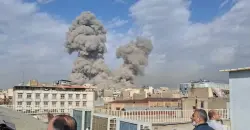
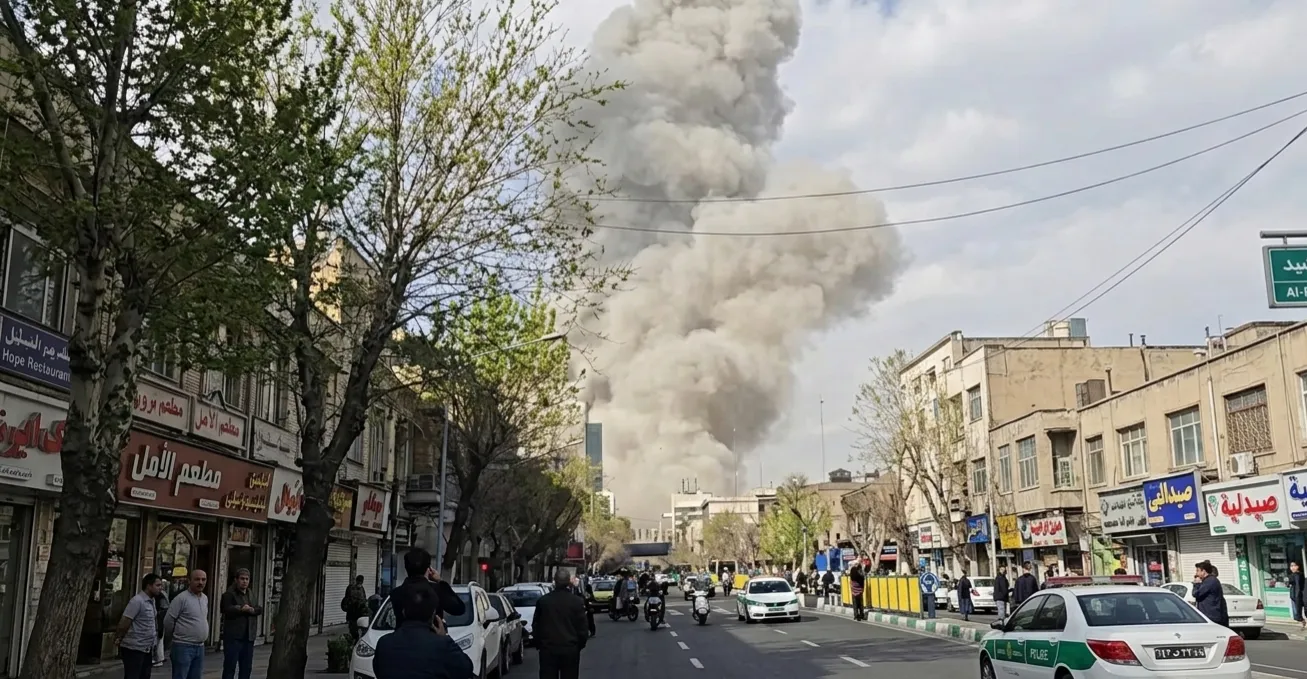
📹 هماکنون دود غلیظ در خیابان جمهوری تهران pic.twitter.com/QH2zRen4mM
— خبرگزاری تسنیم (@Tasnimnews_Fa) February 28, 2026
Reuters, citing Iranian sources, reported that Supreme Leader Ayatollah Ali Khamenei had been relocated to a secure site outside Tehran, without immediate confirmation from Iranian authorities. Israel’s public broadcaster said Israel had previously refrained from targeting Khamenei but that the position “could change during the current operation.”
Iranian state-affiliated outlets indicated that missiles struck central, northern, and eastern Tehran, including Daneshgah (University) Street, the Jomhouri area, and Seyyed Khandan district. Reports also pointed to impacts on a government complex housing the Intelligence Ministry, explosions near Mehrabad Airport, and damage to a judiciary building in eastern Tehran. Casualty figures and damage assessments were not immediately available. Mehr News Agency indicated mobile networks were disrupted in parts of the capital and that airspace was closed until further notice.
اخبار اولیه از اصابت چند موشک به خیابان دانشگاه و محدوده جمهوری تهران حکایت دارد. https://t.co/RaLjXKC2Mg
— خبرگزاری فارس (@FarsNews_Agency) February 28, 2026
In Israel, the military closed schools nationwide, directed employees to work remotely, and advised the public to avoid gatherings after air raid sirens sounded in several areas. The army activated the alerts as a precaution against a possible Iranian missile response. Officials urged residents to follow Home Front Command instructions and remain near protected areas until further notice.
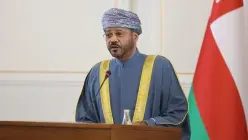
The attack came two days after the third round of talks between Tehran and Washington in Geneva, held with Omani mediation. Omani Foreign Minister Badr bin Hamad Al-Busaidi, who has played a central role in facilitating the US-Iran nuclear negotiations, said he remained confident that “a peace deal is within our reach” as negotiators met over Tehran’s nuclear program. Speaking to CBS’s “Face the Nation,” Al-Busaidi said, “I don’t think any alternative to diplomacy is going to solve this problem,” underscoring Muscat’s position that dialogue remains the only viable path forward.
Read more: Why US–Iran talks keep failing, and why tensions persist