Iran vows unrestricted response to threats


Shafaq News- Tehran
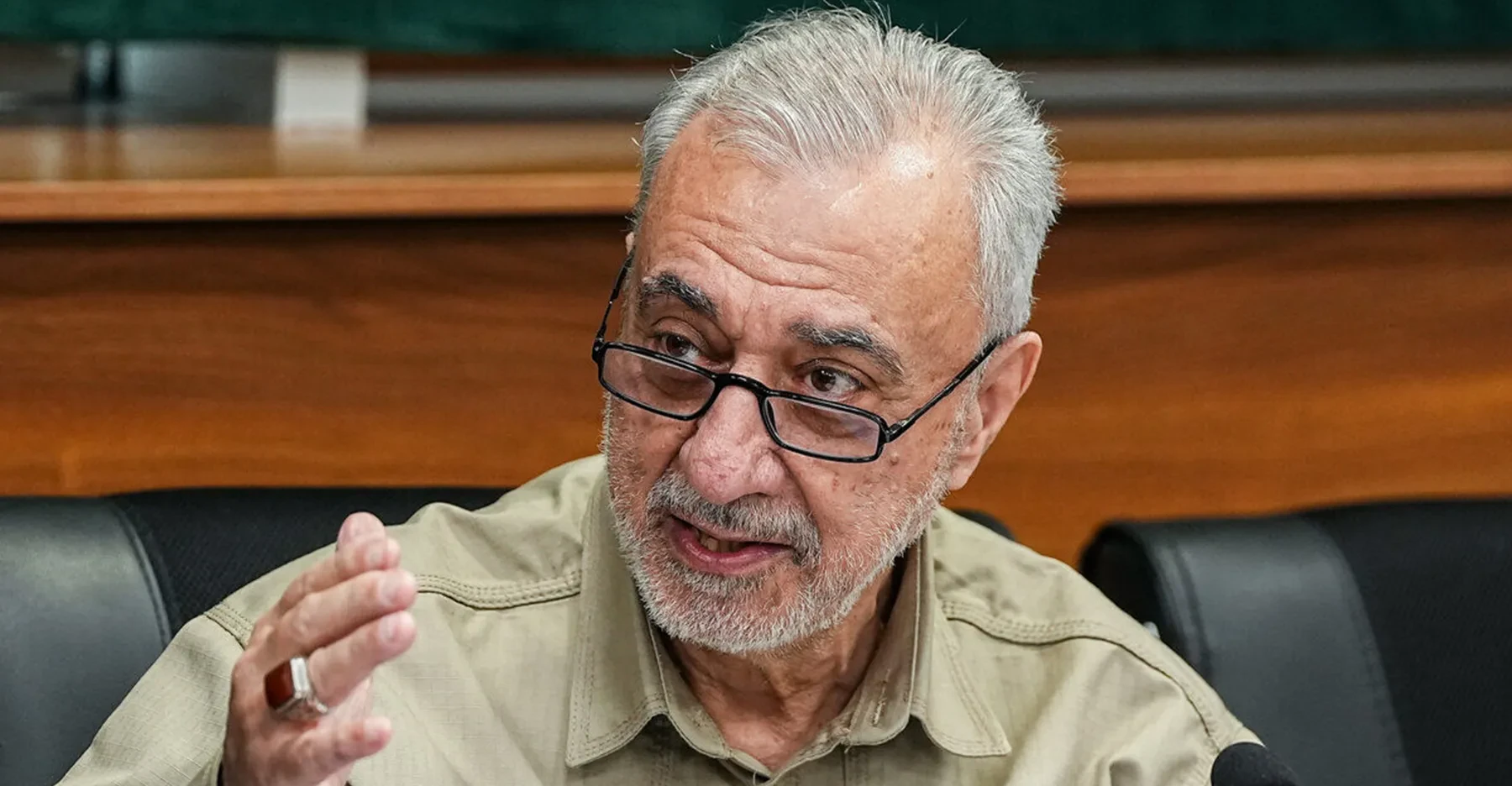
Iran remains committed to implementing the directives of Supreme Leader Mojtaba Khamenei, Iranian Defense Minister Mehrdad Akhlaki said on Monday, stressing that the armed forces would respond immediately to any threat or aggression without geographical restrictions.
In statements carried by Iranian media, Akhlaki added that Iran was determined to strengthen its smart combat readiness and implement a strategy enabling an immediate response anywhere. “Threats would neither surprise nor deter Iran.”
Akhlaki said the country was accelerating the design, production, and procurement of defense equipment, while strengthening its industrial infrastructure and improving support capabilities for the armed forces.
He warned that any aggression against Iran would face a "decisive, proportionate, and effective" response, adding that threats would not determine the scope, timing, or consequences of Iran's defensive response.
The defense minister also stated that Iran would not allow external pressure or the calculations of others to restrict its pursuit of scientific and technological progress, reaffirming the country's commitment to protecting its security, independence, and territorial integrity.
On Saturday, Iran's Supreme Leader directed the armed forces to confront threats at any level without geographical restrictions, describing combat readiness as a key requirement for achieving deterrence.
Meanwhile, Iranian negotiators left Qatar's capital, Doha, following talks with Qatari mediators on reaching an agreement to end the war between Iran and the United States, as a draft proposal circulated and discussions continued over a possible follow-up meeting.
Reuters quoted an informed official as saying that the Iranian delegation's departure was not prompted by difficulties during the negotiations, clarifying that a draft agreement was currently being circulated but did not disclose its details.
Iranian Foreign Ministry spokesperson Esmaeil Baghaei said the negotiations were based on a seven-step plan drawn up by Tehran last September.
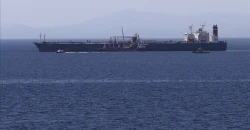
The plan aims to reopen the Strait of Hormuz to international shipping routes, and end the US naval blockade imposed on Iran, he added.
Baghaei said Tehran believed the plan could be implemented on a faster timetable if an agreement was reached.