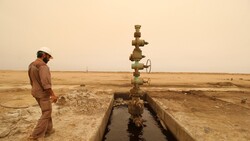
Iraq pipeline to Saudi Arabia faces major hurdles


Shafaq News- Baghdad
Iraq is unlikely to resume oil exports through the Saudi pipeline to the Red Sea port of Yanbu in the near term due to “major obstacles,” a source in the country's Oil Ministry told Shafaq News on Sunday.
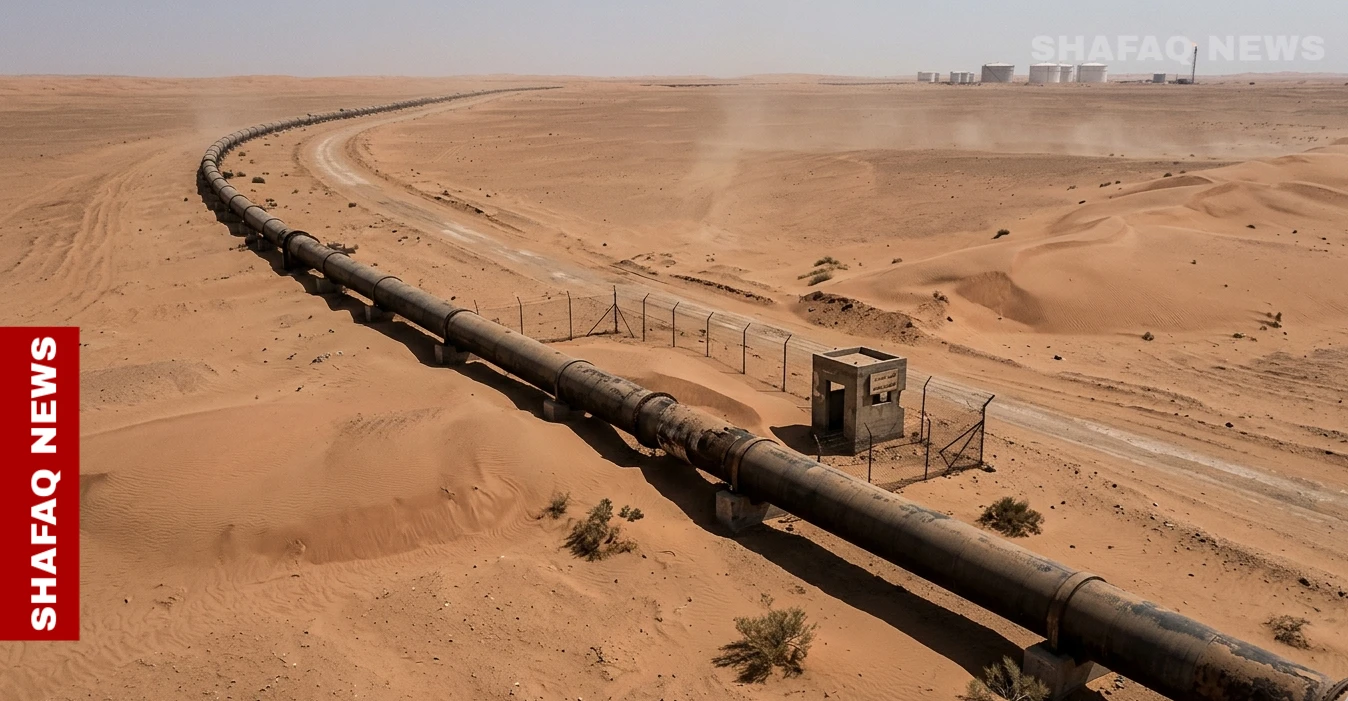
Saudi Arabia’s insistence on retaining the right to use the segment of the pipeline within its territory to transport its own oil remains a key hurdle, while restarting the Iraq-Saudi pipeline would also require reviving the bilateral agreement governing its operation.
The pipeline, which stretches about 1,568 kilometers from Zubair in southern Iraq to Yanbu on the Red Sea, halted operations in 1990 after Iraq’s invasion of Kuwait, and Saudi Arabia assumed control of the line in 2001. It has been largely neglected for more than three decades and would require extensive rehabilitation, including replacing significant sections and financial allocations if an agreement is reached.
For now, Iraq continues to rely on alternative export routes, including overland transport via Jordan and Syria, as it seeks more stable solutions for oil exports. The country is also exploring options such as the Turkish Ceyhan pipeline, the Baniyas route, and longer-term plans including storage facilities outside the Gulf and a proposed pipeline to Oman’s Duqm port.
Oil output from Iraq fell from 4.3 million to 1.3 million barrels per day amid disruptions in the Strait of Hormuz, cutting exports to below 800,000 barrels per day and causing losses of about $128 million daily. Despite this, officials say the impact remains contained, supported by government subsidies and foreign reserves of around $100 billion.
Read more: Iraq’s oil bottleneck: Abundance trapped by dependency