Najaf salt harvesters keep an ancestral trade alive


Shafaq News- Najaf
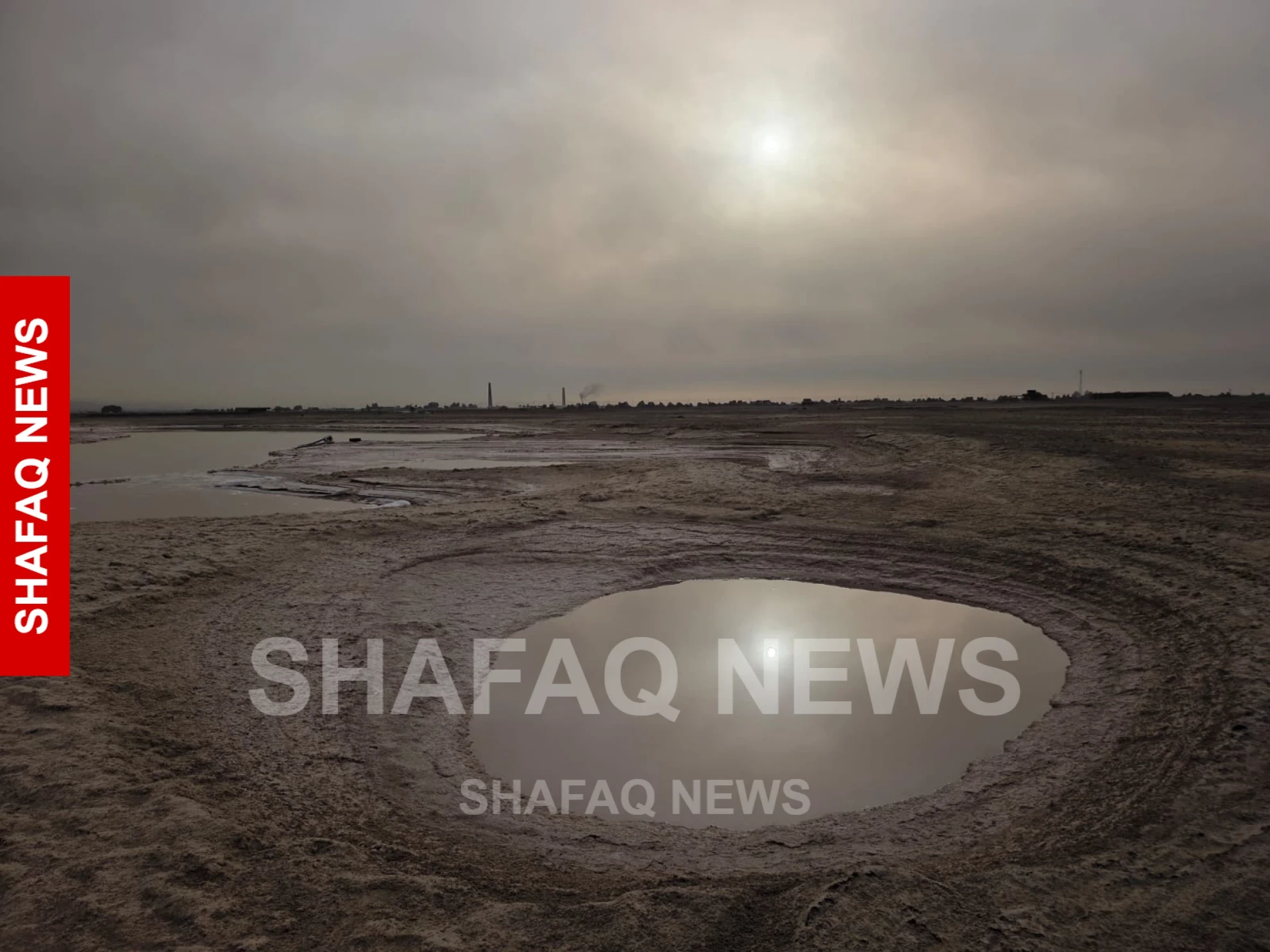
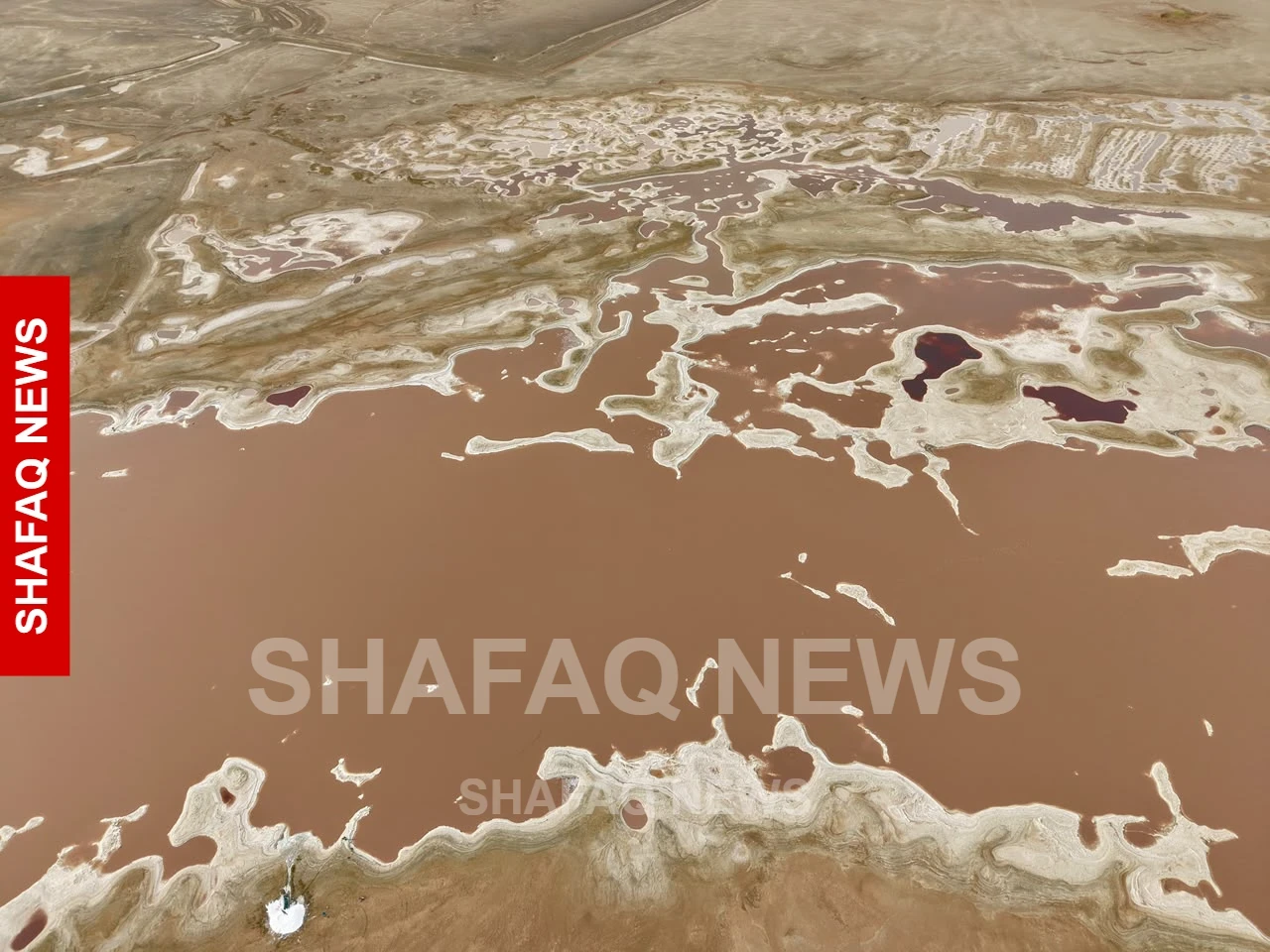
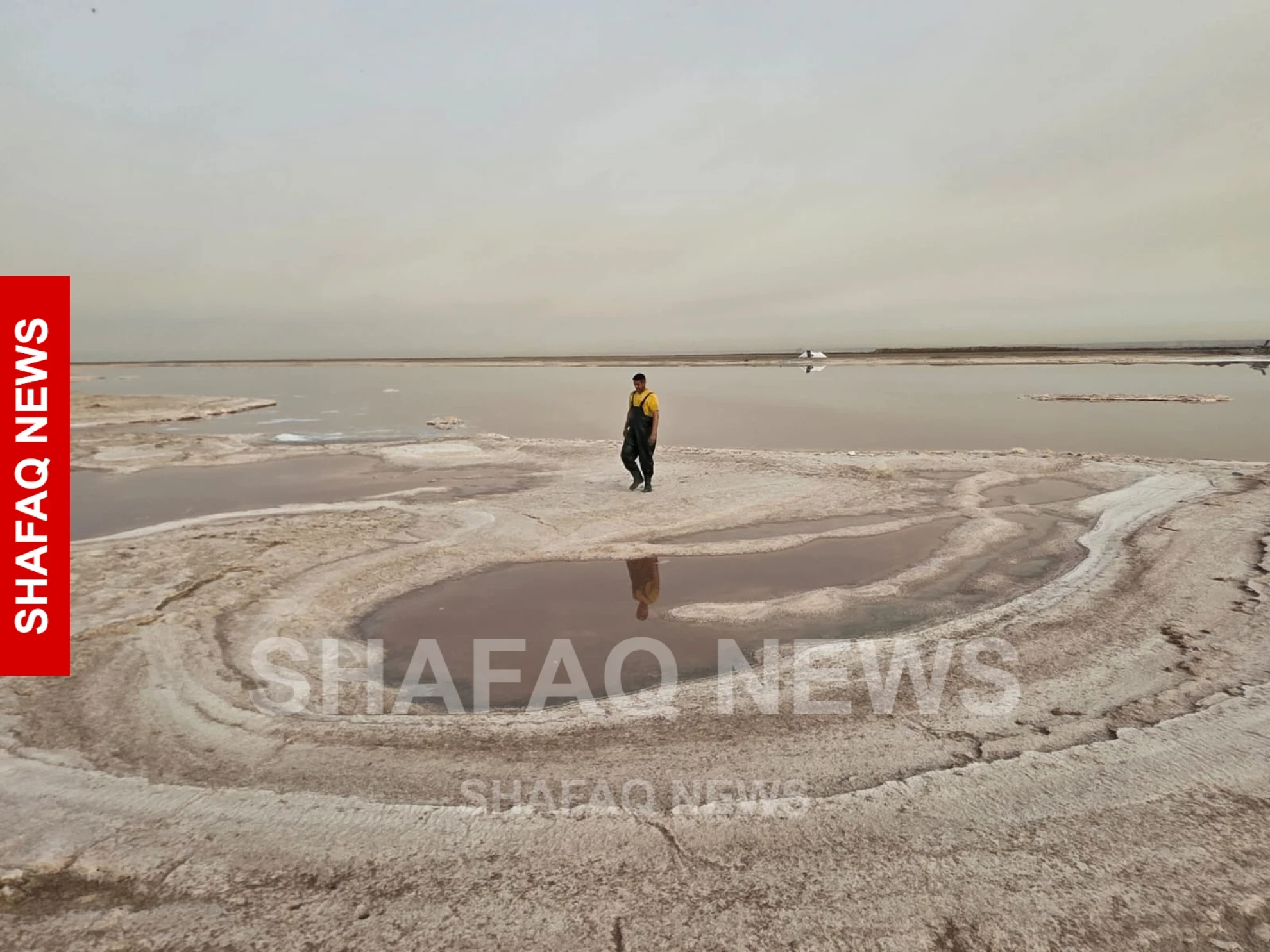
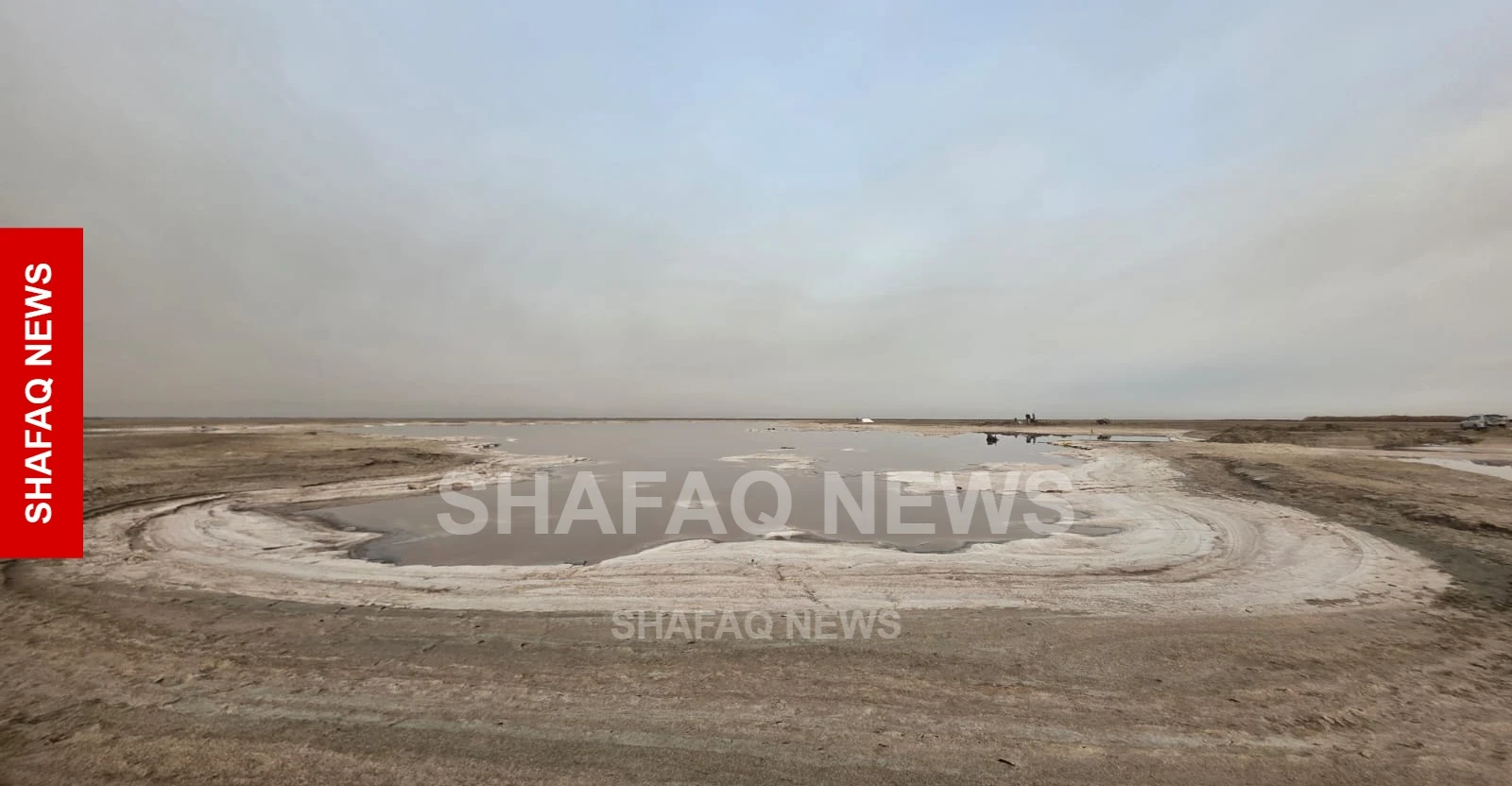
On the edge of the Najaf Sea, a vast depression west of the Iraqi city of Najaf, shallow pools stretch across the flats, white and grey, with no birds or fish. The only signs of life are mounds of salt scattered along their banks, harvested by a handful of local men using methods passed down from their fathers and grandfathers.
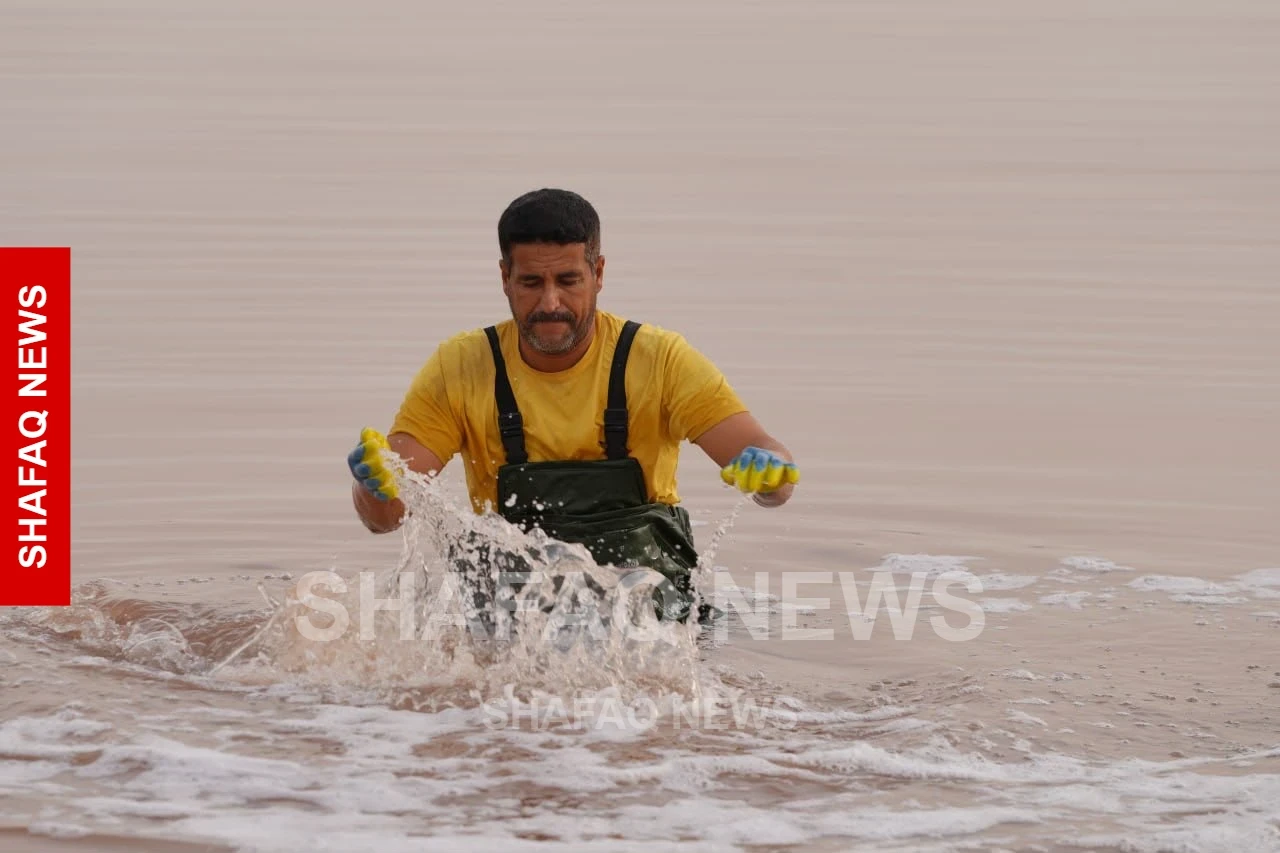
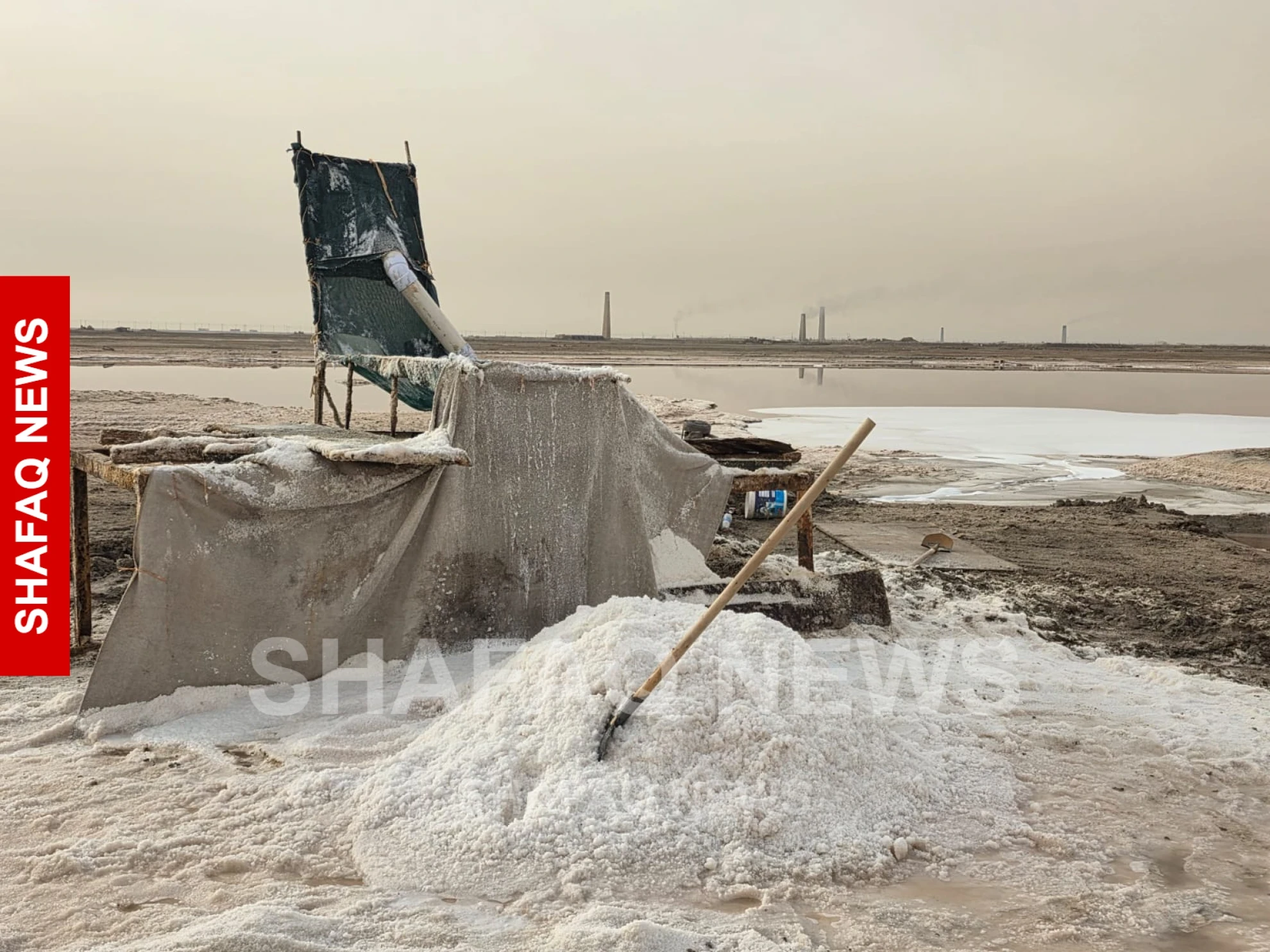
The work begins at sunrise. Laborers break the salt crust into small pieces, then pump it through hundreds of meters of plastic piping to sieving stations, where fine salt is separated from coarse by hand. By midday, they stop, worn down by the heavy labor and constant exposure to water and salt.
Each harvest, which locals call “farming” the salt, takes between six months and a year. Modern machinery could speed production further, but high costs mean the workers still rely heavily on labor-intensive methods.
Salt worker Hussein Khayout said workers prefer cold well water, which they believe helps produce whiter, coarser salt when exposed to the summer heat.
To separate fine salt from coarse, the workers use a sheet
of thin cloth stretched over a frame more than four meters long and two meters
wide, Khayout told Shafaq News. Water pumps draw the broken, dissolved salt
through pipes up to 500 meters long to the sieving station, where several
workers run the process.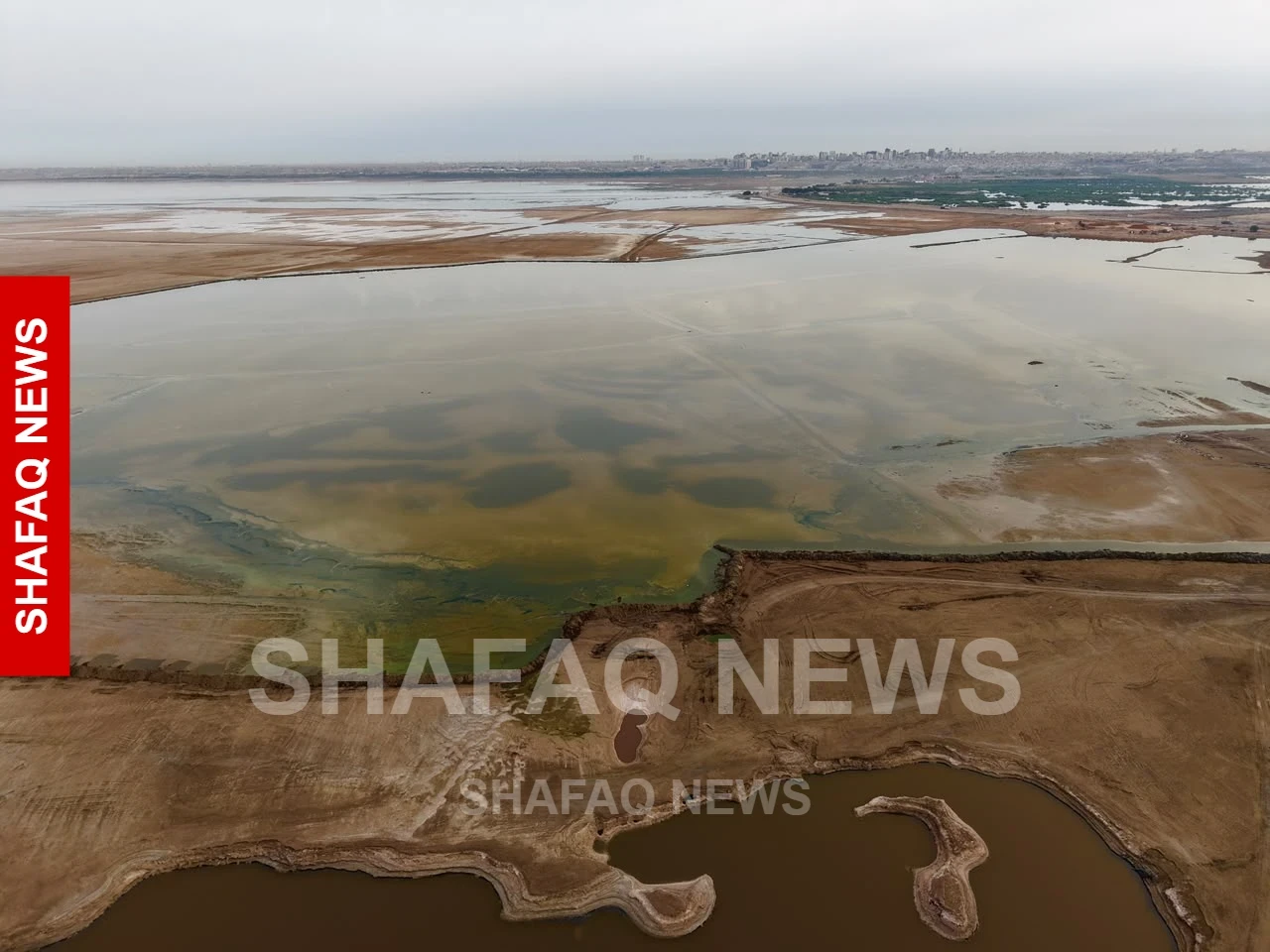
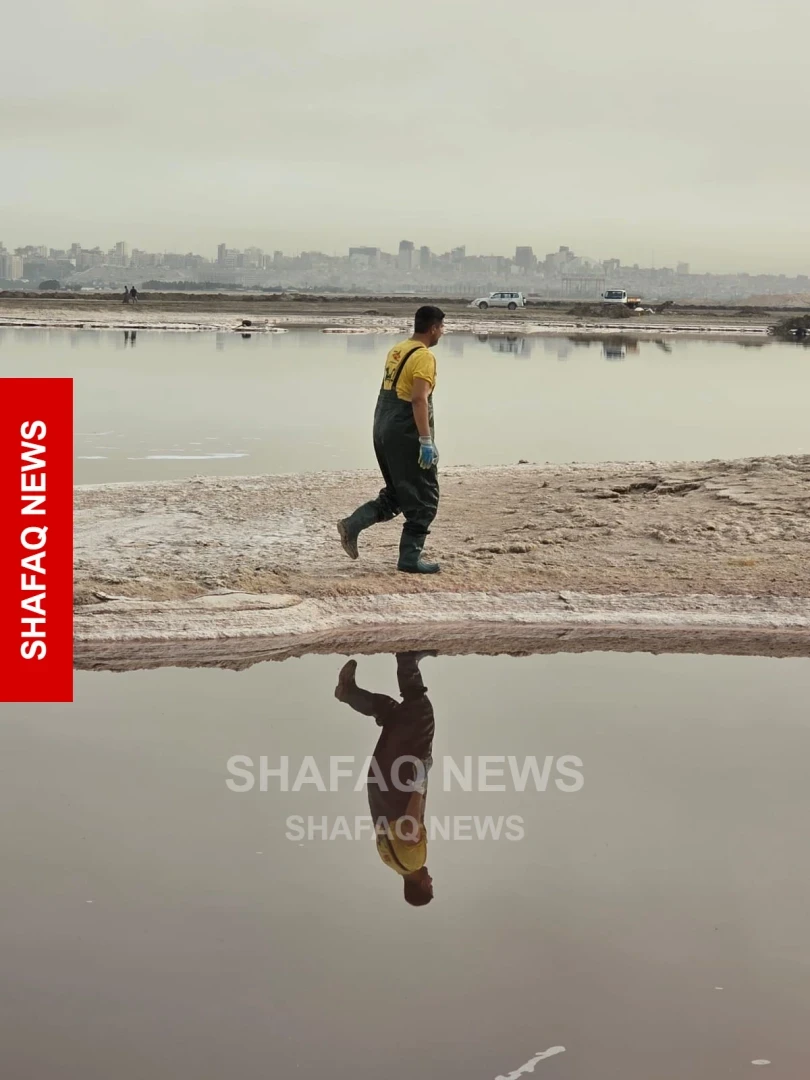
The work remains almost primitive and is full of hardship, he said. Today’s harvesters wear waterproof suits and salt-resistant gloves to protect their skin, unlike their fathers and grandfathers, who suffered skin diseases from working with their bare bodies in the water and salt.
The trade was handed down through generations, said Hassan Khayout, recalling that his forebears carried salt on camelback to sell in Saudi Arabia and in Iraqi cities.
Daily output once reached 30 to 40 tons, but has fallen sharply because of “harassment and various problems that have made it hard for the workers to operate normally.” He did not elaborate, but hoped the issues would soon be resolved.
The salt is sold to pickle and sesame factories, leather tanneries, ice plants and iron producers, and is also used in some power-generation processes, Khayout said. In its extracted form, it is not suitable for direct human consumption and would require treatment and purification to meet food-safety standards.
Read more: Water scarcity reshapes Najaf’s longstanding salt economy