Iraq restricts farming as water inflows drop to 40% of normal


Shafaq News- Baghdad
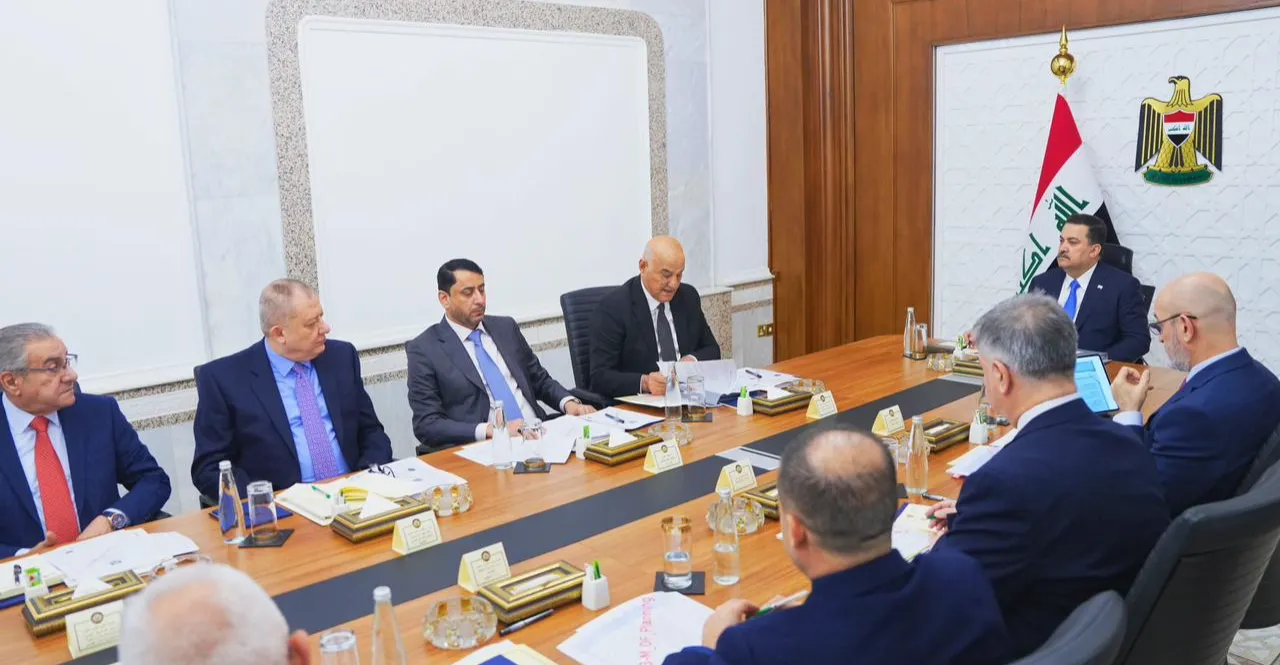
Iraq’s caretaker Prime Minister Mohammed Shia Al-Sudani on Thursday halted any expansion of the country’s agricultural plan that would “negatively” impact water resources, as shortages deepen and inflows from the Tigris and Euphrates remain low.
Speaking at a meeting of the national water committee, Al-Sudani said cultivation must stay within approved limits, particularly during the summer season, to safeguard shrinking reserves amid persistent drought.
He also directed Baghdad municipal authorities to address 11 identified pollution sites along the Tigris, as falling river levels heighten water quality risks.
Iraq faces recurring shortages driven by reduced rainfall and lower upstream releases from neighboring countries. Annual inflows have dropped to 25–40 billion cubic meters, about 30–40% of historical levels, while strategic reserves stand at 7–10 billion cubic meters against needs exceeding 50 billion cubic meters.
In response, authorities have capped cultivation at 1.125 million hectares and mandated modern irrigation systems. Baghdad and Ankara also signed an executive framework on November 2, 2025, granting Turkiye a five-year mandate to coordinate rapid water releases and related infrastructure, including a commitment to supply Iraq with about one billion cubic meters to ease shortages. Despite that agreement, Iraq remains in one of its most severe drought cycles in recent years, with declining river levels linked to climate pressures and upstream storage and irrigation projects, Water Resources Minister Aoun Diab Abdullah said earlier this week.
Read more: Oil for Water: Iraq bets on new Turkiye deal to ease drought crisis