In darkening Baghdad, oil lamps return as power fears grow


Shafaq News- Baghdad
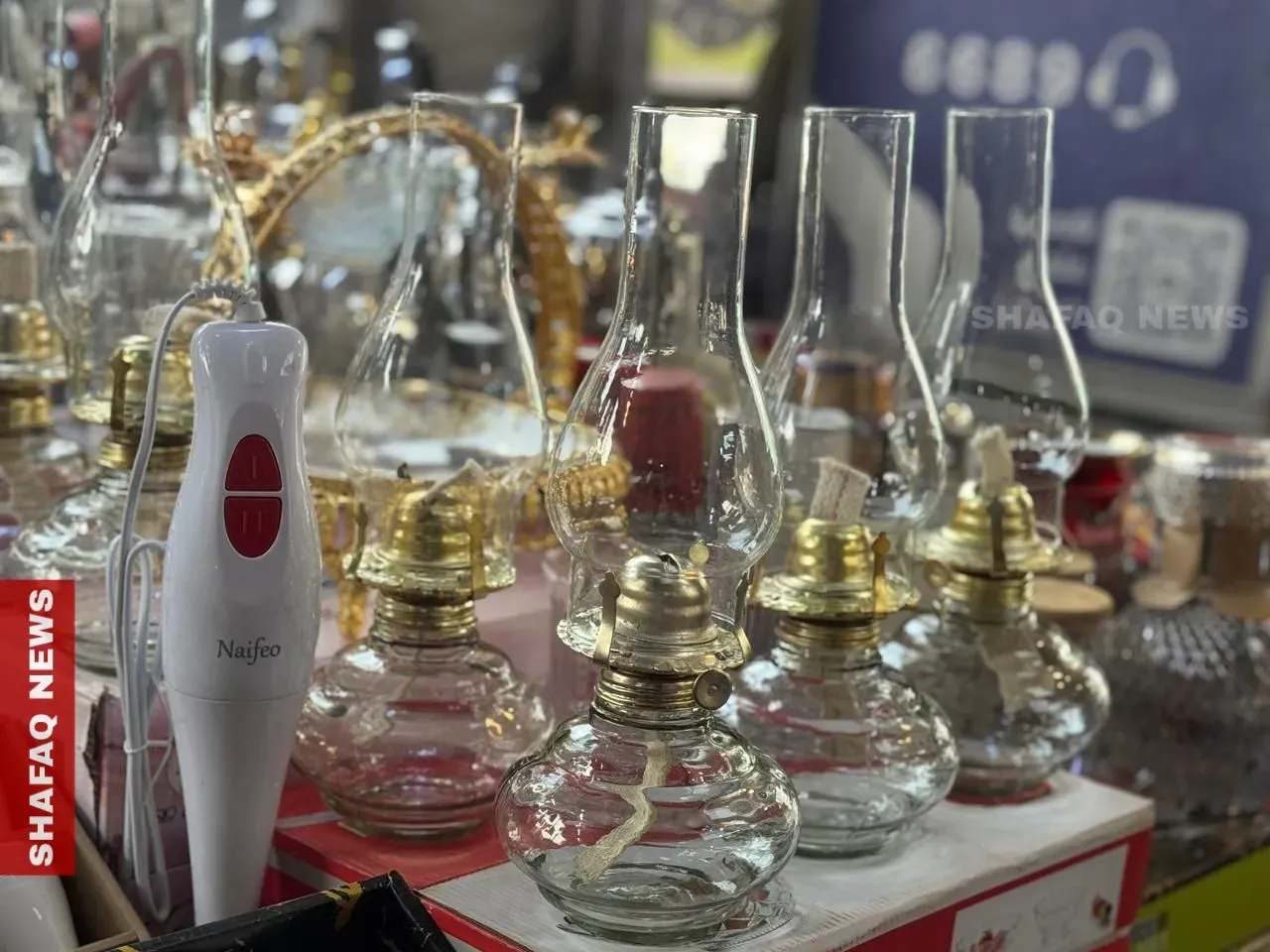
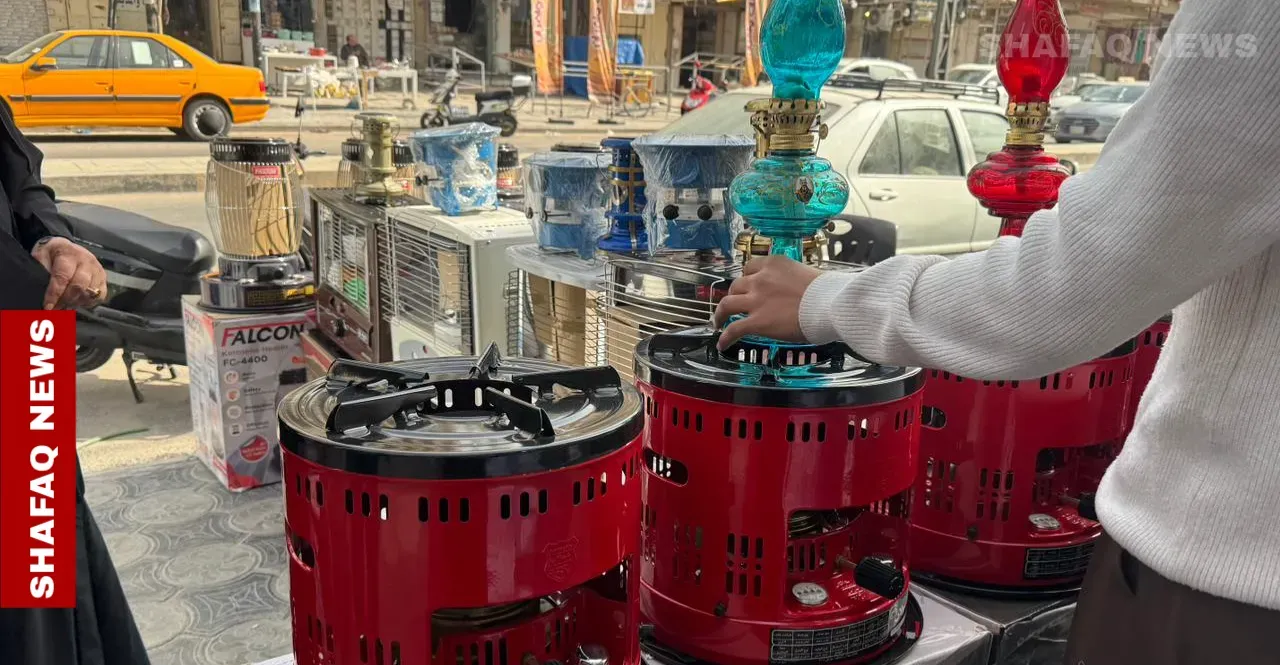
In Baghdad’s markets, a relic of Iraq’s past is quietly returning. Oil lamps -once confined to antique stalls and decorative shelves- are selling out as residents brace for prolonged electricity shortages and a possible cooking gas crisis.
The rush follows a nationwide power collapse that left much of Iraq
without electricity for nearly a full day. Supply has since deteriorated
sharply, with some neighborhoods receiving fewer than 14 hours of power daily,
reviving fears of a deeper energy breakdown.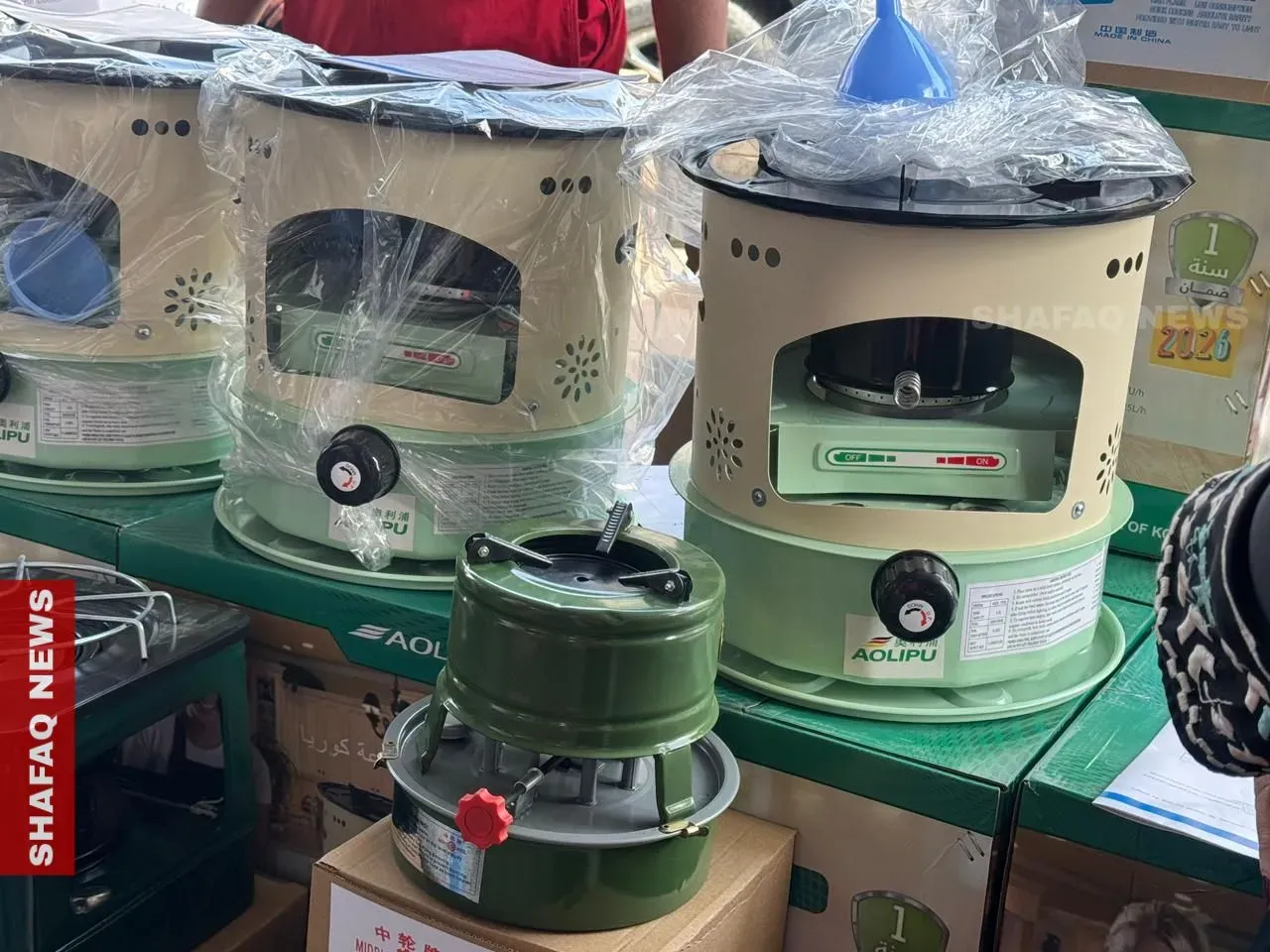
At the center of the anxiety is Iraq’s heavy dependence on natural gas imports from Iran, which fuel much of the country’s electricity generation. With Tehran now at war, many Iraqis fear those supplies could falter, leaving power plants unable to operate.
For residents across the capital, the prospect of darkness has triggered a scramble for basic alternatives.
“Iraq will inevitably be affected if this war continues,” Kazem Abbas, 52, from Baghdad’s al-Bayaa district, told Shafaq News. “Our electricity depends on Iranian gas. If that stops, power stations will shut down.”
Abbas recently purchased a “lalah” -a small oil lamp once common in
Iraqi homes- to light his house if outages worsen.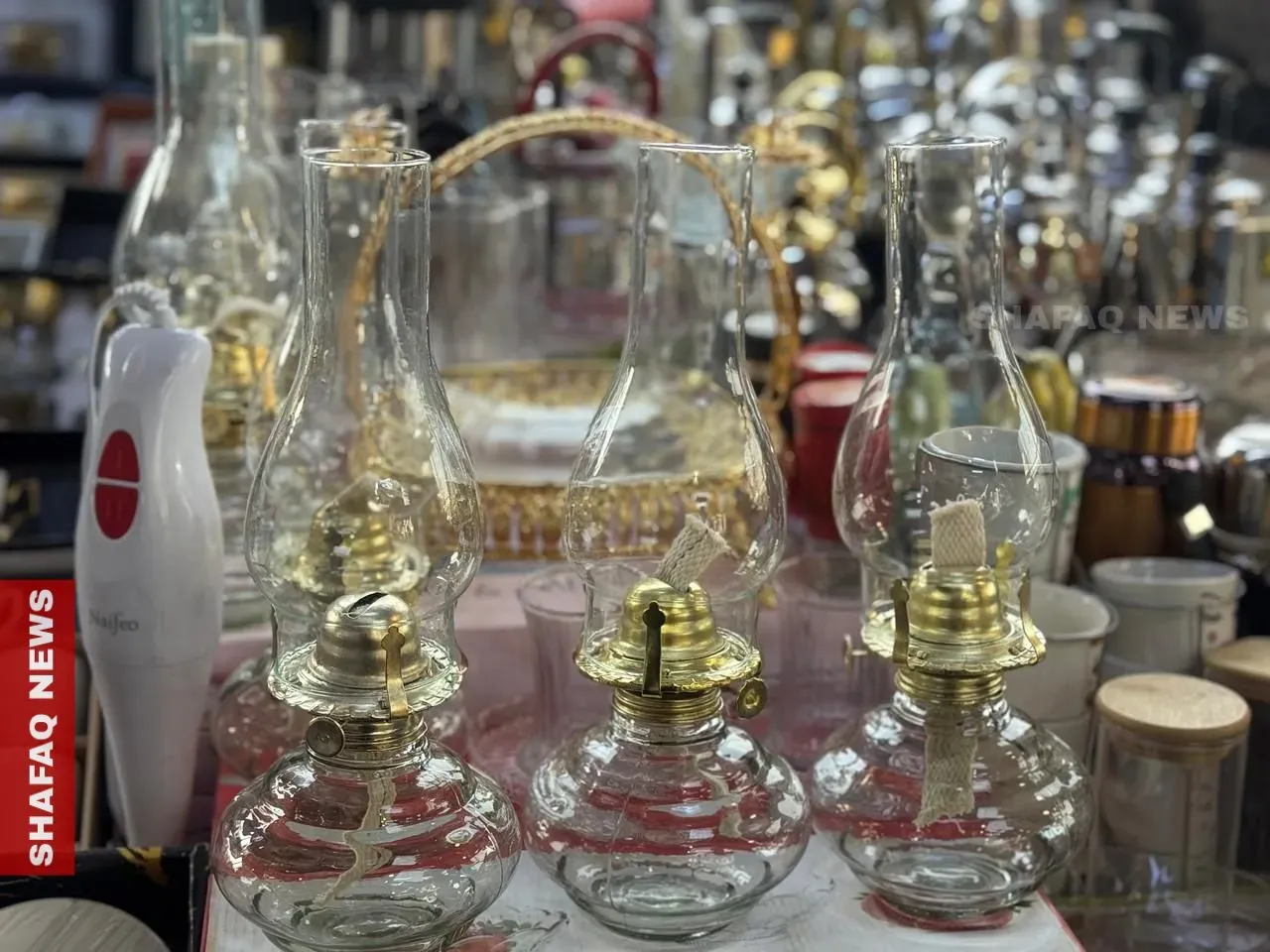
The surge in demand has transformed the humble lamp into a sought-after commodity. Units that once sold for 1,000 Iraqi dinars ($0.76) now fetch up to 10,000 dinars ($7.63), while supplies are dwindling in many markets.
“I went from shop to shop before finding one,” said Sanaa Jabbar, a housewife from Baghdad al-Jadida. “No one cared about these lamps before. Now everyone is looking for them.”
For many Iraqis, the sudden return of primitive lighting has stirred memories of the 1990s sanctions era, when rolling blackouts forced families to rely on lamps, candles and improvised kerosene burners.
Another anxiety is beginning to spread: cooking gas.
Residents have started buying kerosene stoves, known locally as “Choola,” which run on fuel oil rather than gas cylinders.
“Gas shortages are coming,” said Bassem Abdul-Ali, 60, from
Baghdad’s al-Saydiya neighborhood. “That’s why people are buying kerosene
stoves.”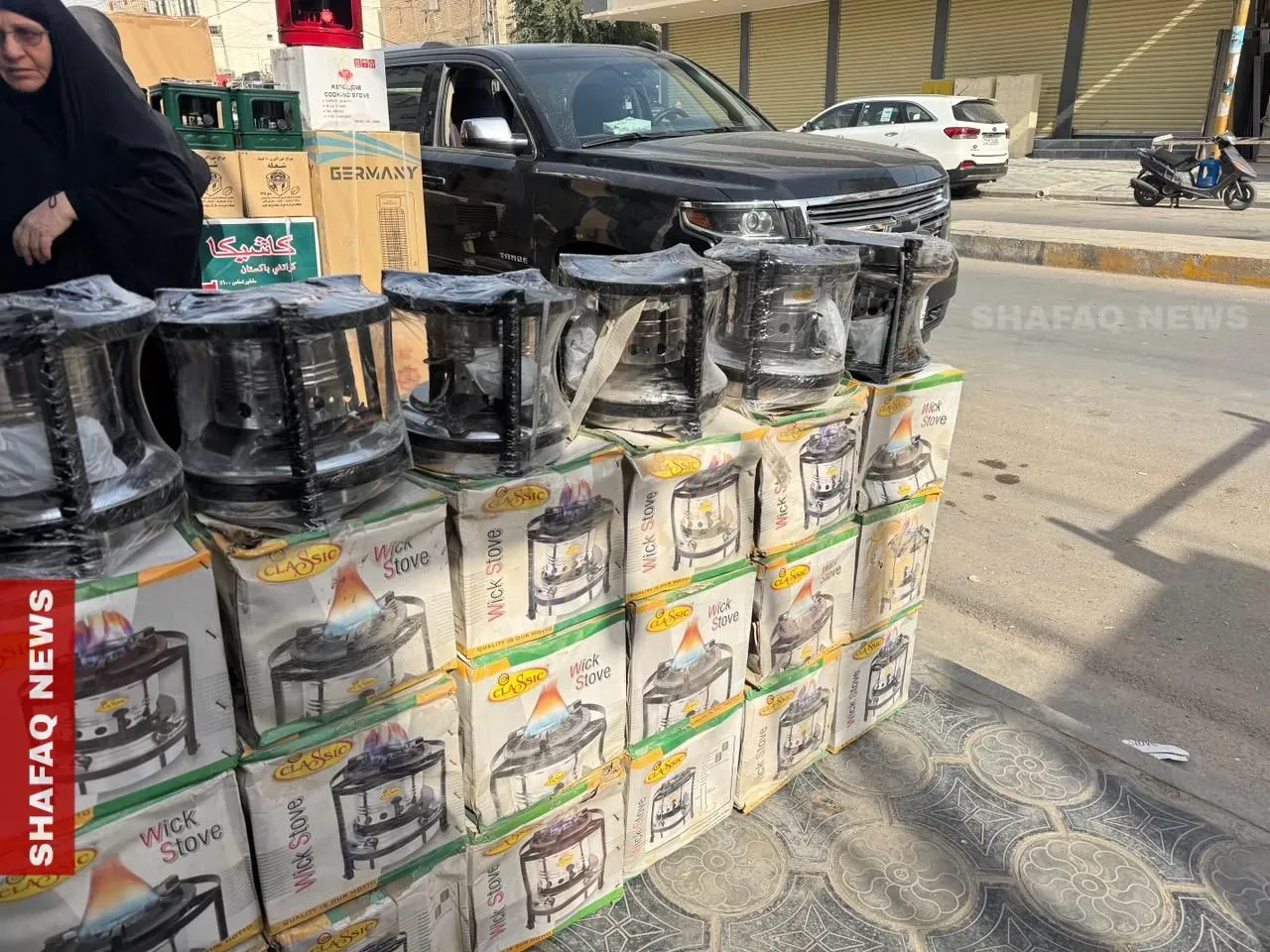
Prices have surged. Iranian-made models now sell for about 125,000 dinars ($95), while Chinese versions cost roughly 85,000 dinars ($65) -far above the 6,000–10,000 dinars they once commanded.
Shopkeepers say demand has reached levels unseen in years. “My shop has never experienced anything like this,” said Salah al-Daraji, who sells lighting equipment in Baghdad. “People are buying everything -candles, lamps, kerosene stoves.”
“I bought everything we might need,” said Umm Mohammed, a government employee who recently purchased a kerosene stove. Another resident, Umm Sarmad, 55, said she stocked up on tools she had not seen used since childhood.
“These are things our mothers used decades ago,” she added. “We thought those days were gone.”
Yet the signs of strain are already visible. Baghdad has endured extended blackouts over the past two days, while mobile vendors selling bottled cooking gas have largely disappeared from the streets.
For a generation that grew up believing Iraq had moved beyond those
hardships, the glow of oil lamps in Baghdad’s markets suggests the past may be
returning.