Israeli restrictions disrupt farming in Syria’s Quneitra


Shafaq News- Damascus
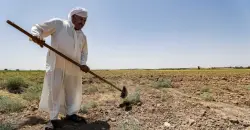
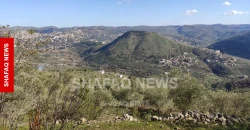
Israeli military restrictions in Syria’s southern Quneitra province have prevented farmers and livestock breeders from accessing fields and pastures near the occupied Golan Heights, reducing agricultural activity and household incomes, a local official told Shafaq News on Sunday.
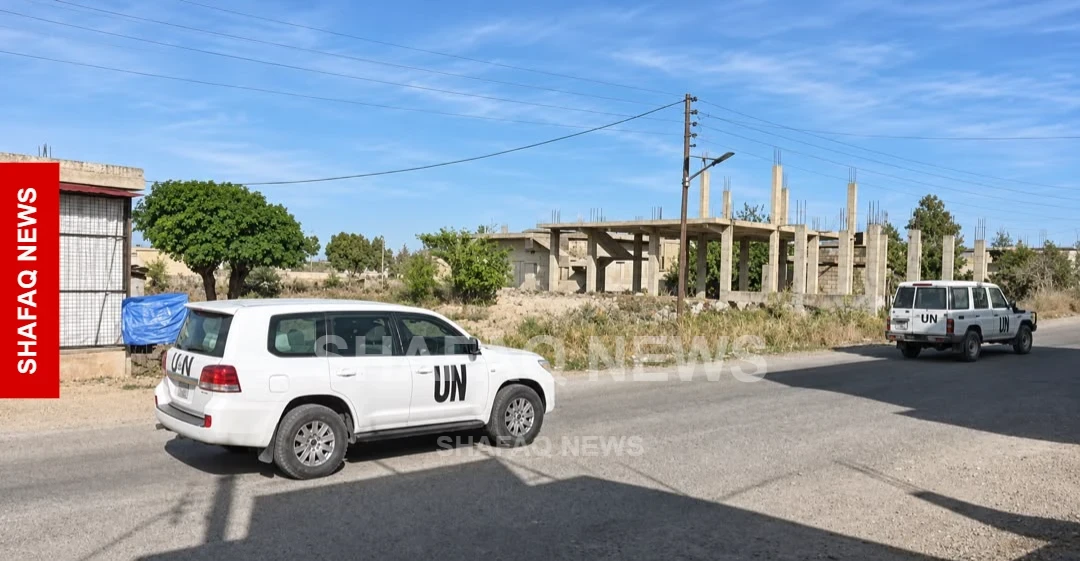
Mohammad Al-Saeed, director of Quneitra’s northern district, explained that road closures and Israeli inspections have also disrupted civilian movement, forcing students and patients to travel longer distances to reach schools and healthcare facilities.
Despite the restrictions, Quneitra’s Agriculture Directorate expects an improved olive harvest across the province, estimating production at 12,925 metric tons from 6,815 hectares of cultivated land, with an anticipated yield of 2,068 metric tons of olive oil.
Farmers near the buffer zone, however, reported being unable to harvest some crops, while the directorate has begun documenting damage to agricultural land and sheep deaths before submitting its findings to the Syrian Ministry of Agriculture.
On November 28, Israeli forces blocked the road to Al-Mantara Dam, Quneitra’s largest reservoir, with barbed wire, raising concerns over access to a key source of agricultural irrigation that holds around 40 million cubic meters at full capacity and helps supply the water network extending into western rural Daraa, according to the Syrian Observatory for Human Rights (SOHR). Quneitra’s Media Directorate recorded 125 Israeli incursions and 55 instances of temporary checkpoints being established across the province in October.
In a previous interview with Shafaq News, a local farmer said Israeli forces had seized his land and bulldozed olive trees around 27 years old, while harvesting costs had risen from 1,800 to 2,500 Syrian pounds (approximately 17 cents) per kilogram as workers feared Israeli incursions and possible detention.
Read more: Israeli incursions cut Syrian villagers off from their land