When grief consumes the body: A Gaza mother's long war


Shafaq News
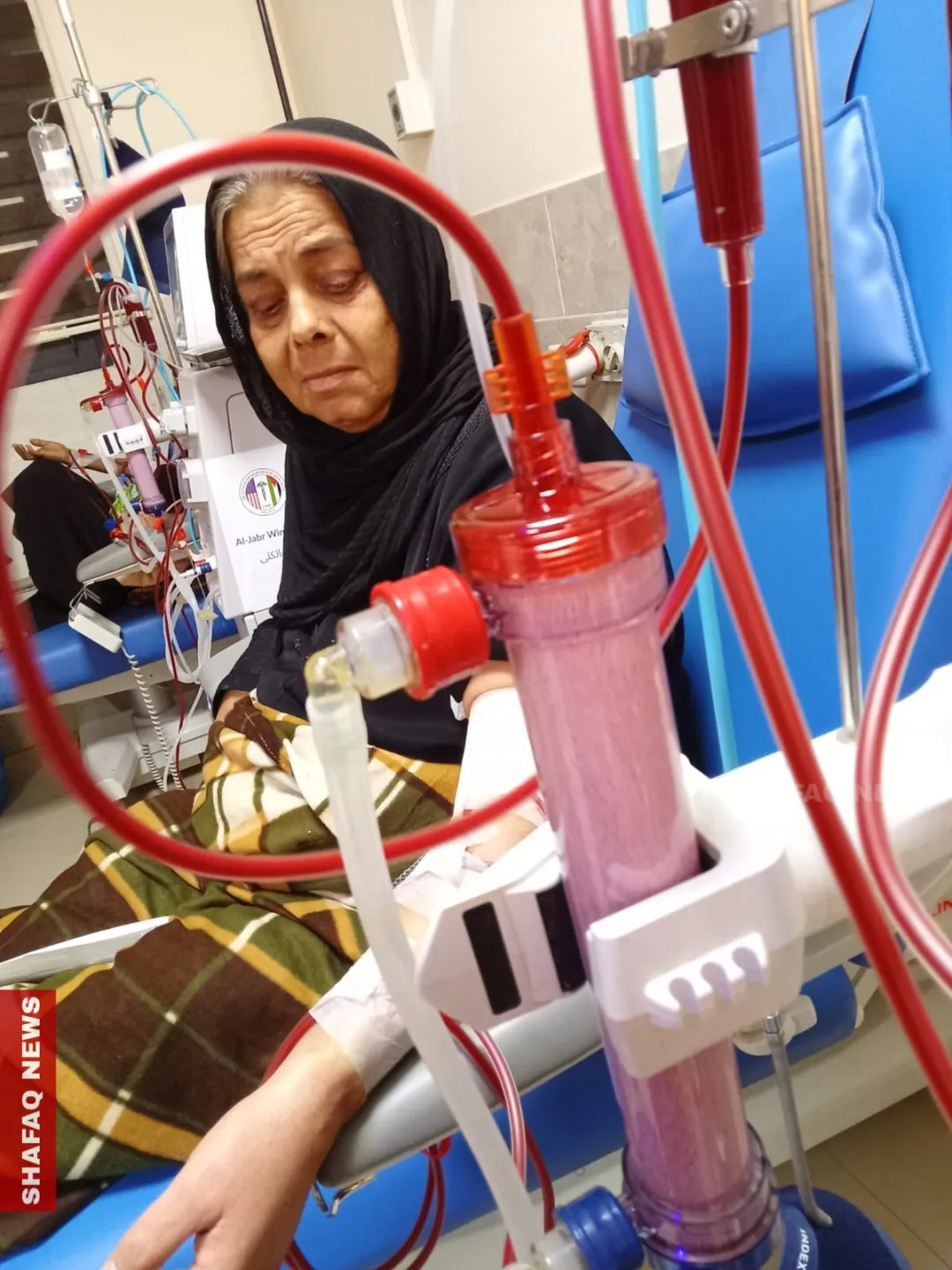
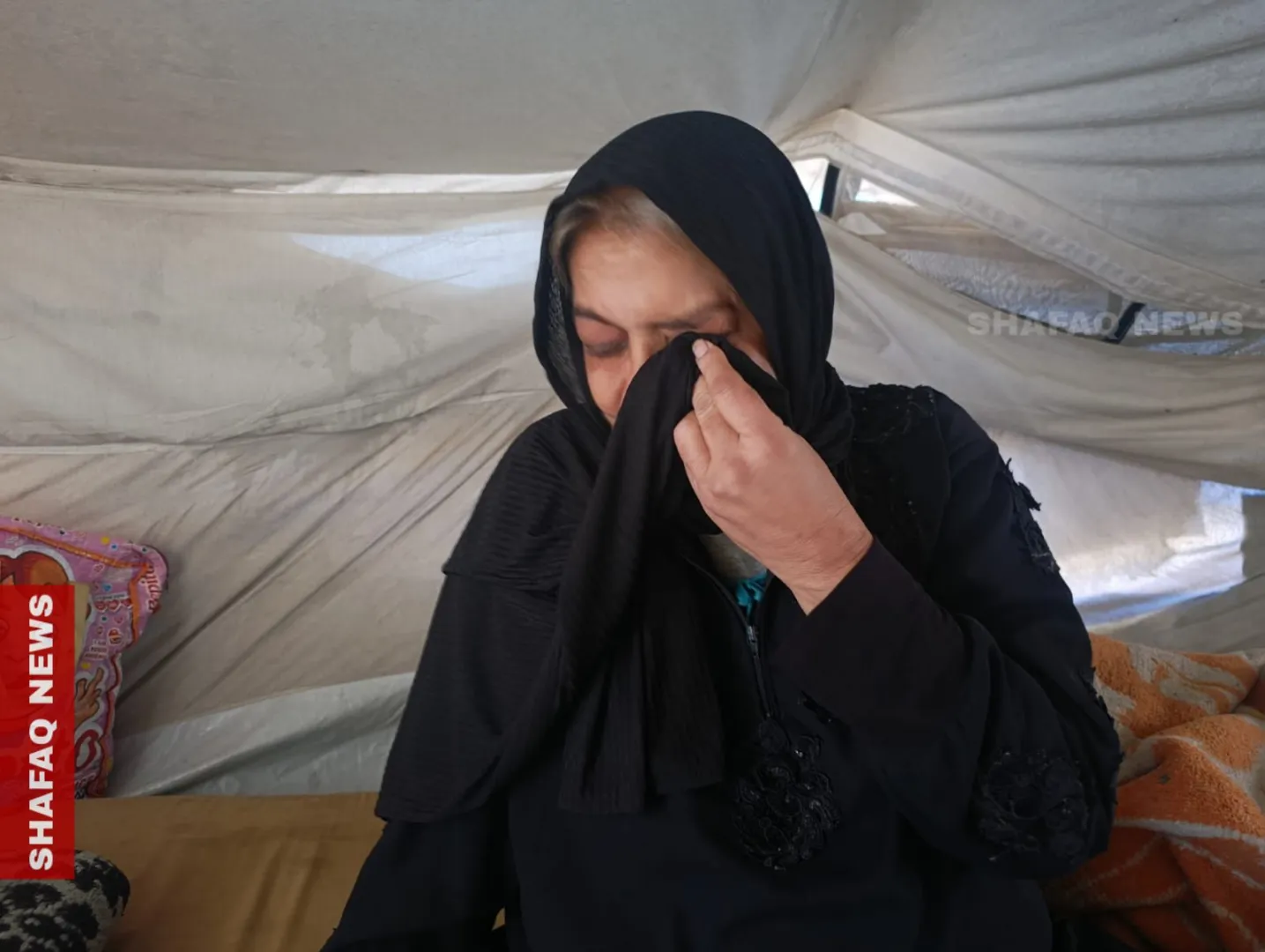
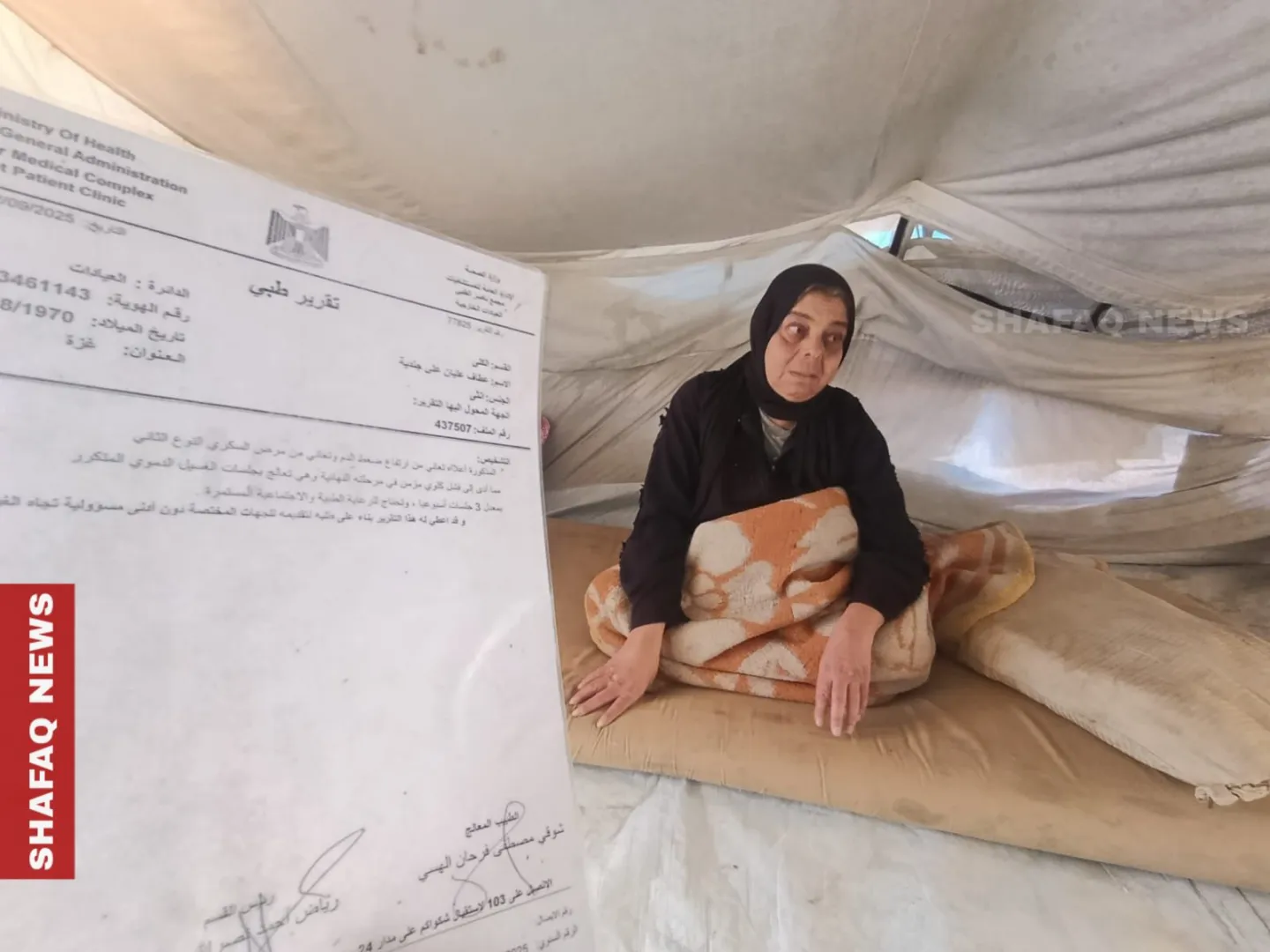
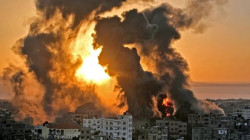
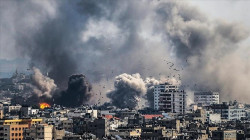
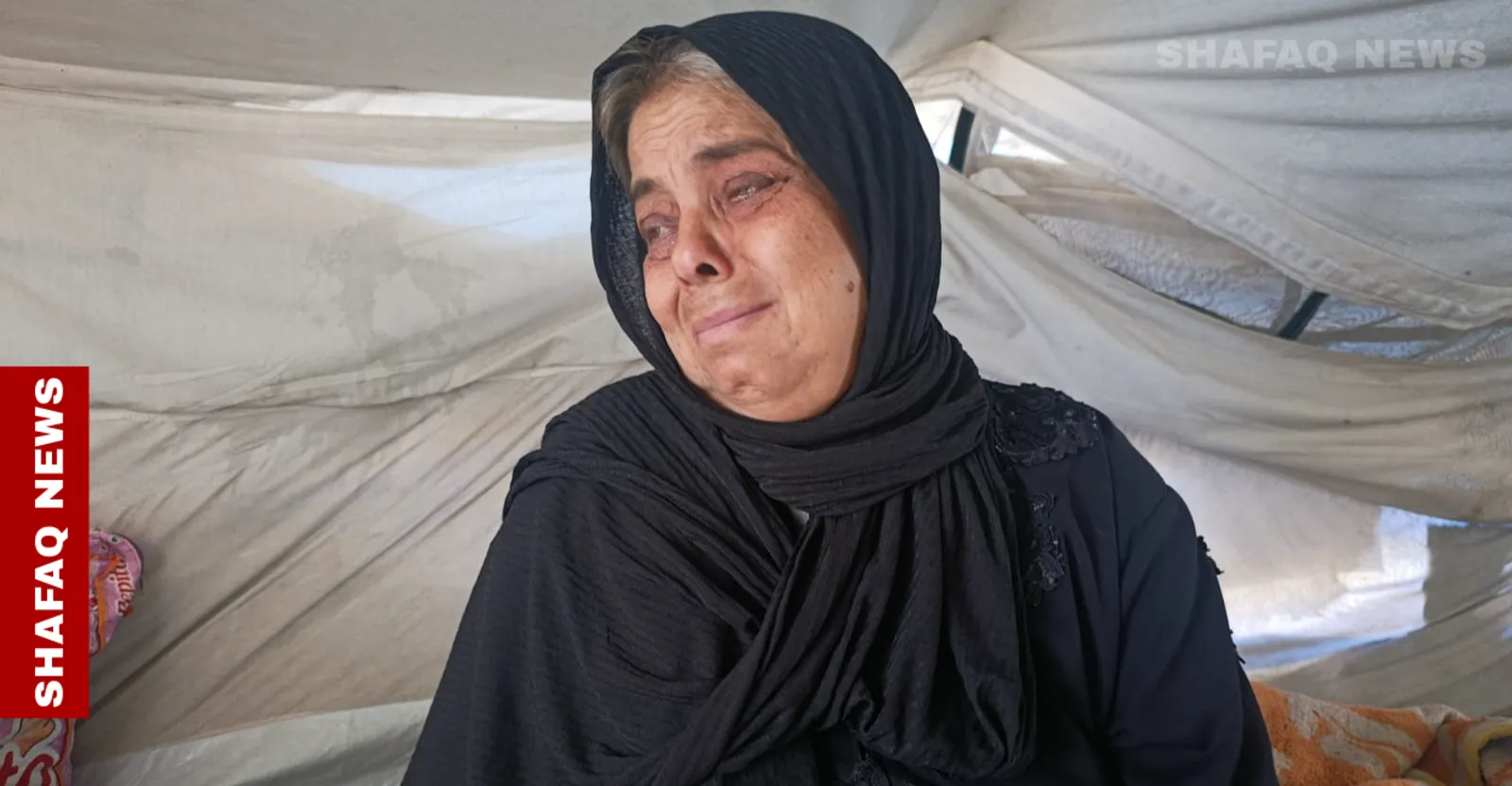
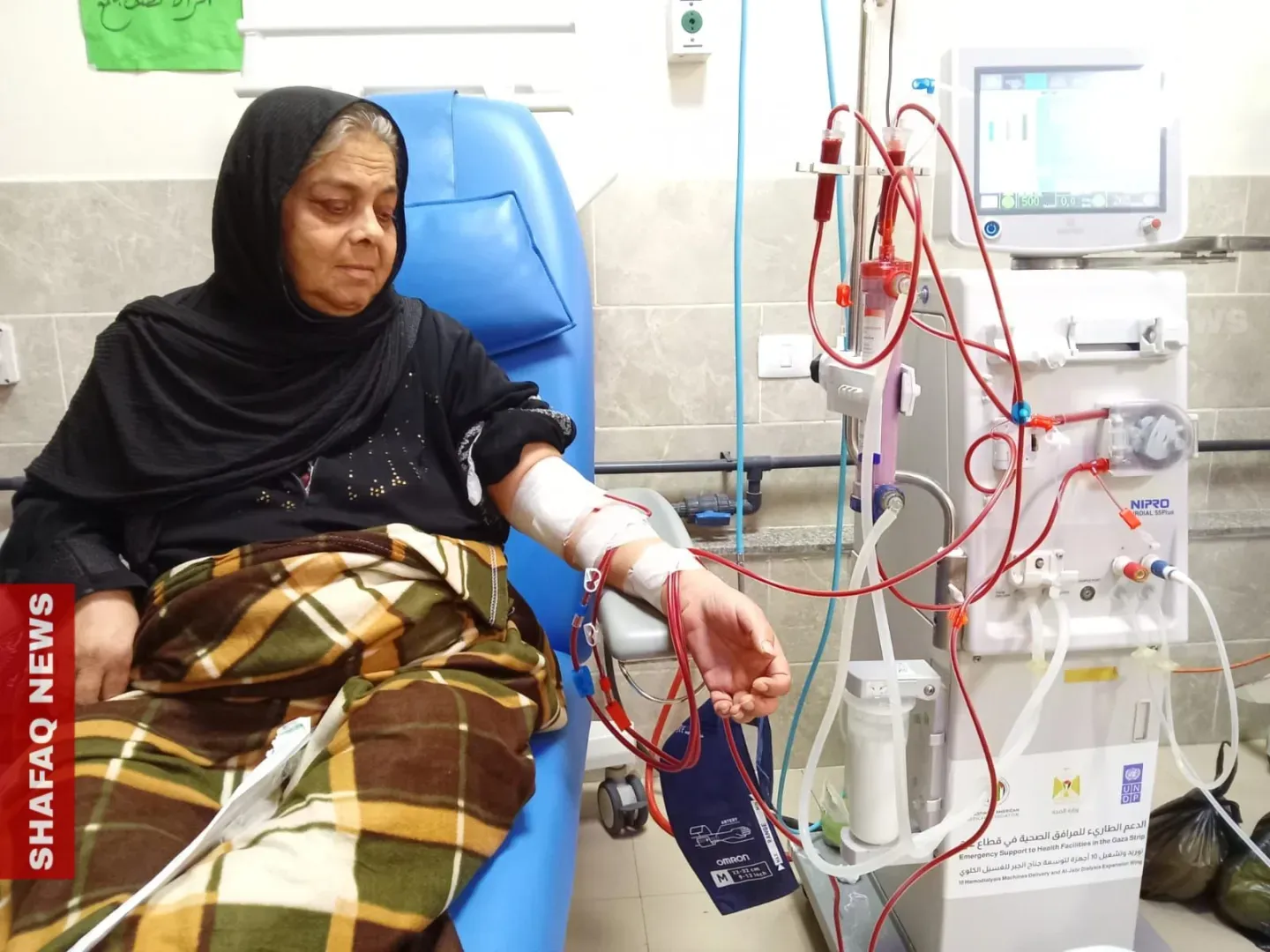
Ataf Jundiya spends her days moving between a displacement tent and the dialysis ward of a Gaza health center. The elderly Palestinian woman's body began failing after she lost four daughters, along with their children and husbands, to Israeli airstrikes.
"My suffering began after my daughters were killed," she told Shafaq News from her hospital bed. "After that, I developed diabetes and high blood pressure. I can barely hear now. I spent two and a half months in the hospital."
The treatments only compounded her decline. "Because of the
medication I was receiving, my kidney function deteriorated from grade 2 to
grade 9," she said. "The doctors told me the fluid in my body would
only come down through dialysis. I refused at first, but my sons pressed me
until I agreed."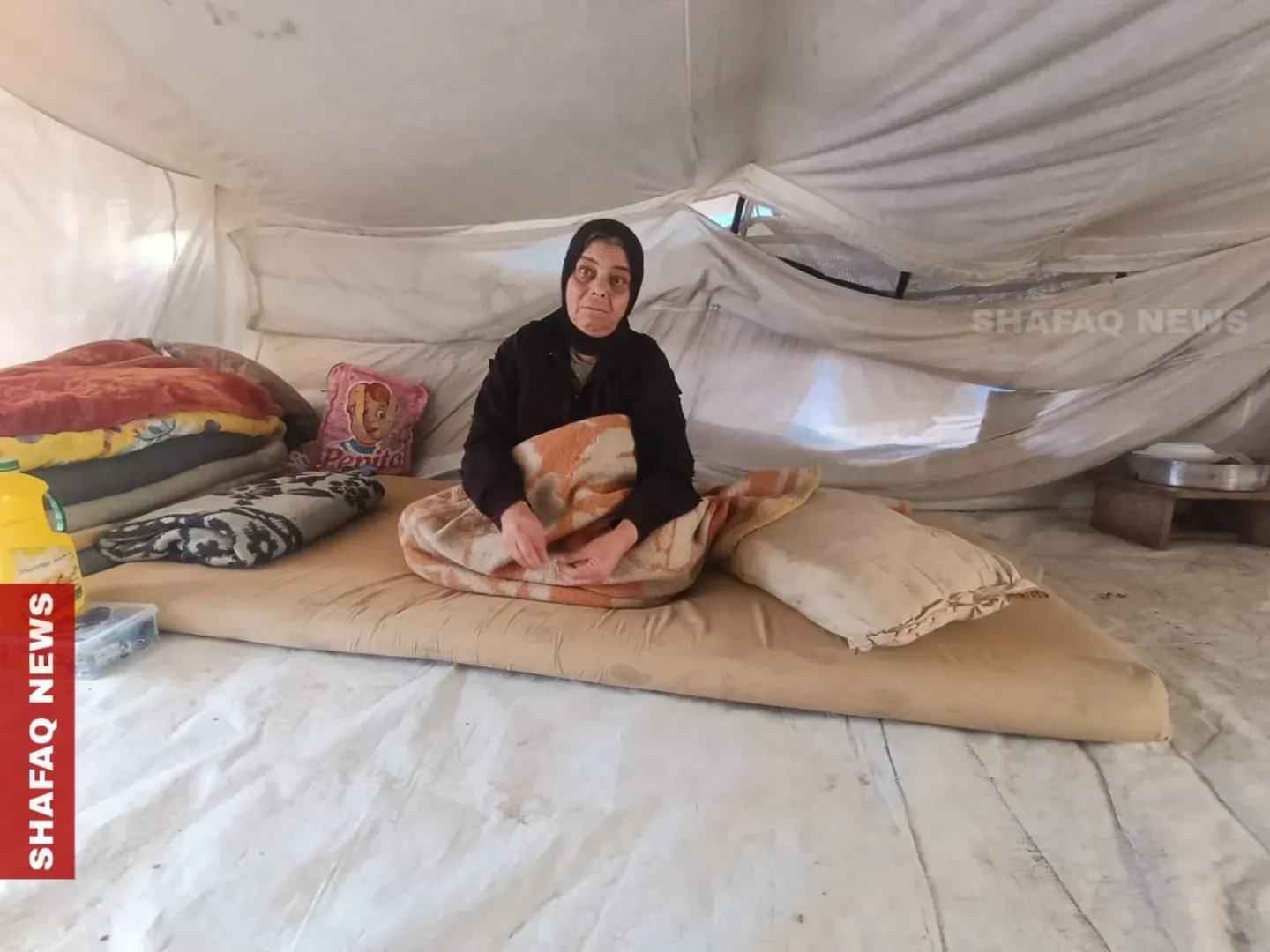
According to the Palestinian Ministry of Health, at least 71,386 people have been confirmed killed since October 7, 2023, including more than 20,000 children. The ceasefire that took effect on October 10, 2025, has not stopped the count from rising as bodies continue to be recovered from the rubble.
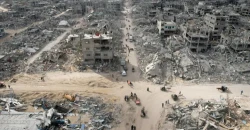
Twenty-eight members of Jundiya's family remain buried beneath collapsed buildings. "Most of them couldn't be pulled out," she said. "Some were still alive then, if they had been rescued, some would have survived." Appeals were made to civil defense teams, but her daughter, grandchildren, and son-in-law remain under the debris.
"Our only wish is to bring them out, to give them dignity, to bury them. They were all children."
More than 39,000 children in Gaza have lost one or both parents since October 2023, the Palestinian Central Bureau of Statistics reported, the largest orphan crisis in modern history. Among them are approximately 17,000 children left without either parent.
The Jundiya family's tragedy did not end with the airstrikes. "I lost another son to malnutrition," she recalled. "There was no food, no water. He was taking his medication on an empty stomach. He developed malnutrition, anemia, then sepsis. Within a week, he was gone. He was thirty-two years old. He never got to enjoy his youth."
As of early September 2025, 361 Palestinians had died from malnutrition, including 130 children, according to the World Health Organization. In August, global monitors confirmed famine in the Gaza governorate for the first time, and the first famine ever recorded outside Africa.
"What hurts most is how much I miss them," Jundiya said, her voice breaking. "I wish they could walk through the door and say to me: Mama."
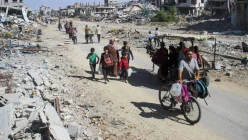
Jundiya's story is not unusual in Gaza. Any walk through the displacement camps or hospital corridors reveals thousands of similar accounts.
A study conducted by B’Tselem in November 2024 found that
between 70 and 90 percent of displaced people in Gaza met the diagnostic
criteria for post-traumatic stress disorder. 63 percent exhibited significant
indicators of anxiety, depression, and PTSD simultaneously; rates far higher
than those documented among displaced populations in other war zones.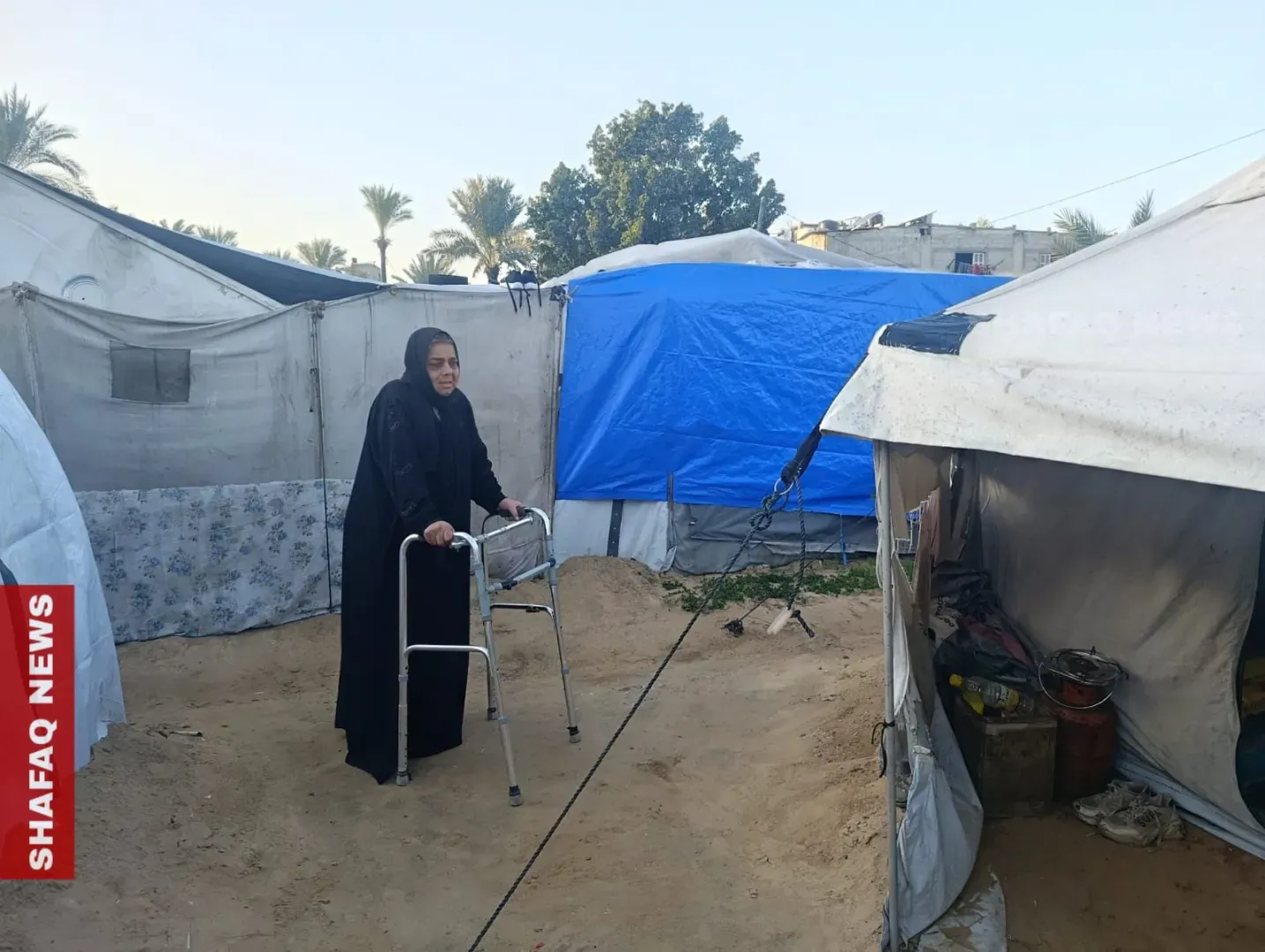
For mothers like Ataf Jundiya, the trauma has settled into bone and blood. Grief made physical, with no end in sight.
"I was active before all of this," she said. "I moved around, took care of everything myself. Everyone used to comment on how much energy I had. After this, I collapsed completely."
She then issued a final appeal: "I beg you to help me get treatment abroad. There is no treatment for me here."
Read more: Gaza’s forgotten wounded: A society rebuilt on crutches
Written and edited by Shafaq News staff.