Wadi Al Salam: Najaf’s ever-growing city of the dead


Shafaq News
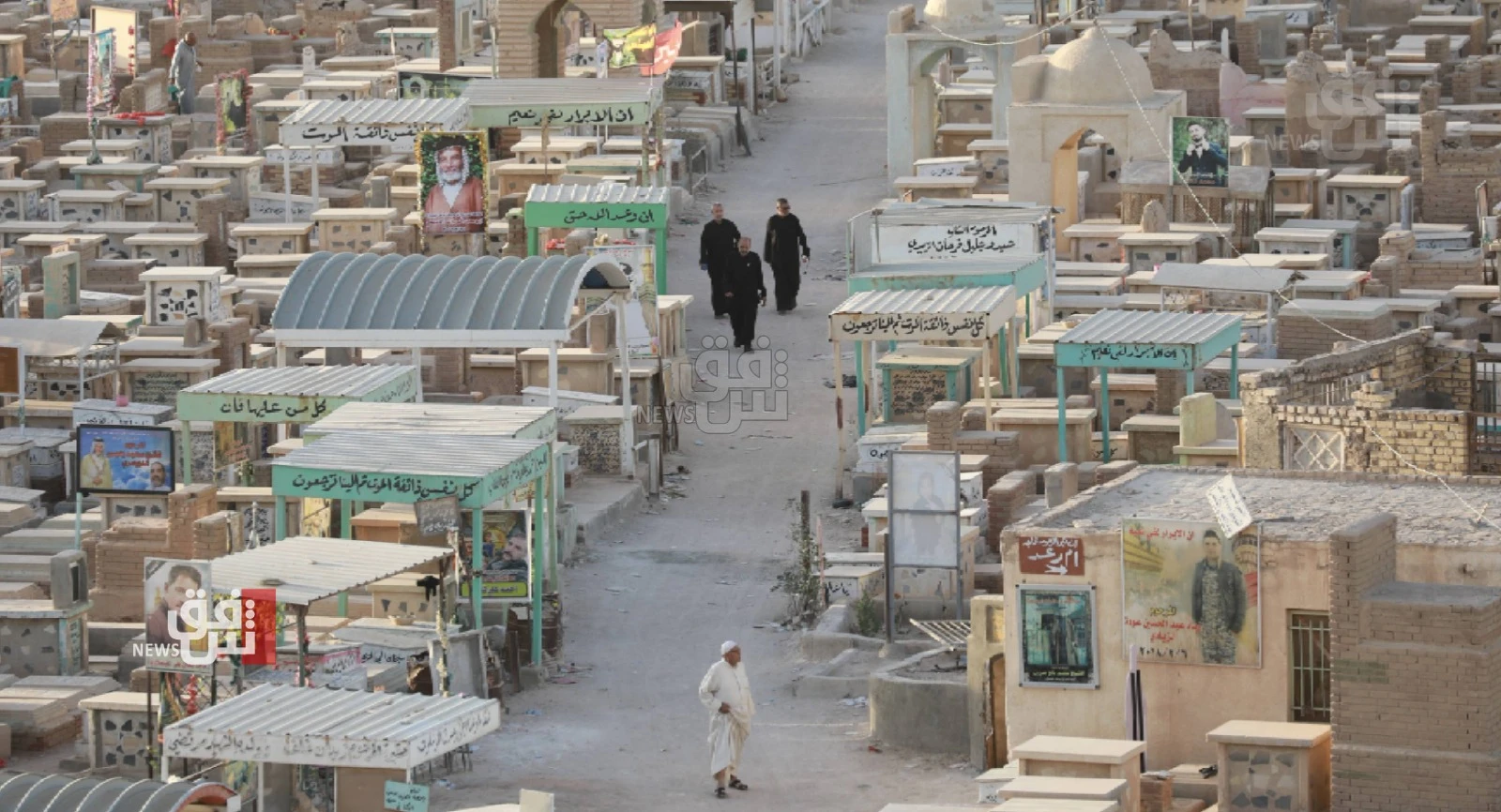
Wadi Al Salam Cemetery, 180 km southwest of Najaf, stretches across roughly 10 square kilometres (1,485 acres) and holds an estimated 5 to 6 million graves, making it the world’s largest cemetery. For more than 1,400 years, people have been buried here continuously, creating a sprawling city of the dead that grows alongside the Iraqi province.
Its significance comes from the nearby shrine of Imam Ali Ibn Abi Talib, the Prophet Muhammad’s cousin and the first Shia Imam. Millions of Shia Muslims see burial near him as the ultimate spiritual honor, and visitors arrive from across Iraq and the Shia world, hoping to secure a resting place in this sacred ground.
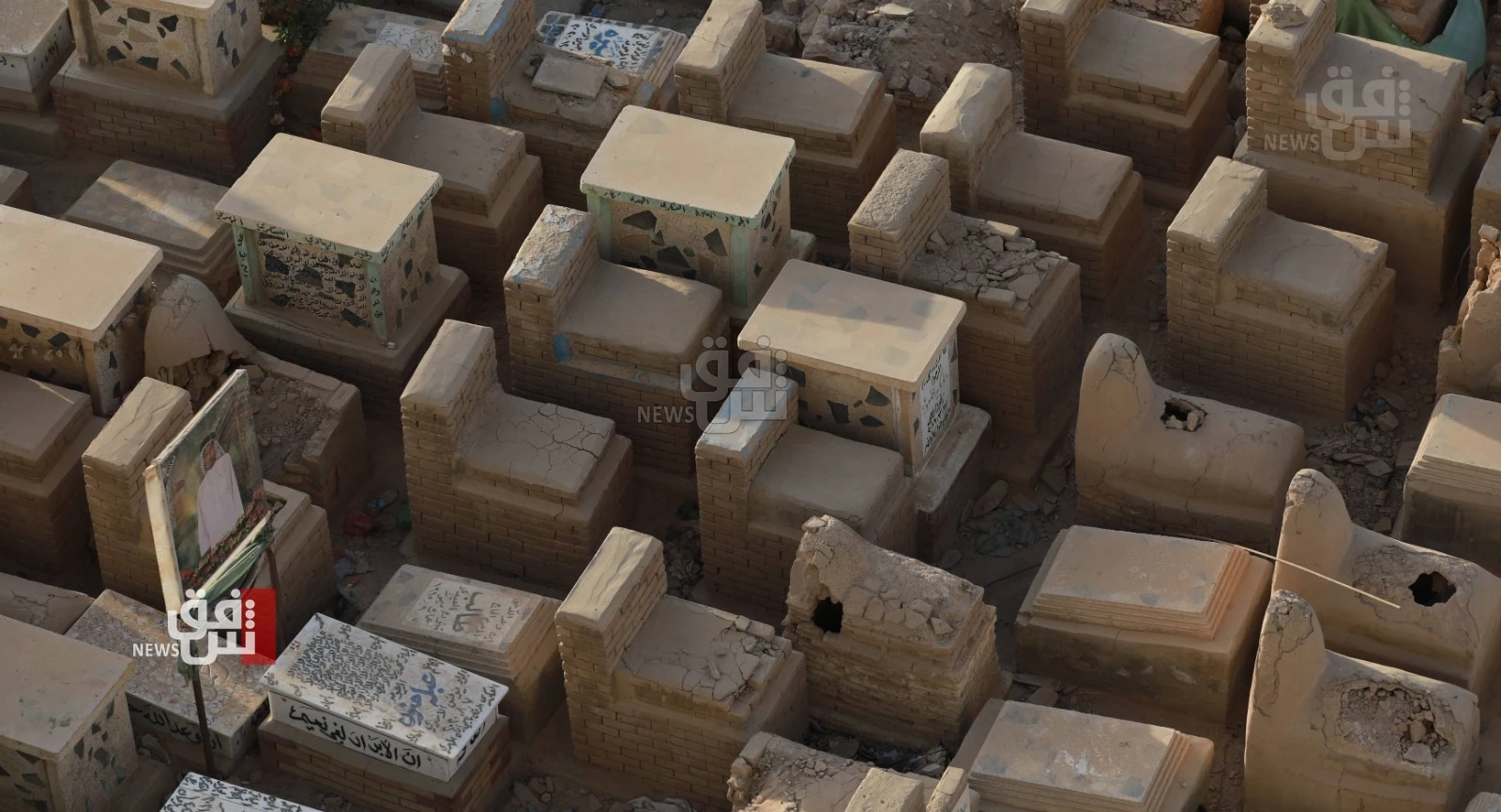
The cemetery preserves layers of history. Graves from centuries past stand beside more recent burials, and the site is believed to contain the tombs of ancient prophets, including Hud and Saleh, figures recognized in both Islamic and biblical traditions. Over time, these layers have created a living archive of Iraq’s spiritual memory.
Custodians, local religious authorities, and Najaf municipality workers coordinate daily burials, care for graves, and guide visitors. Their work keeps the vast cemetery functional, maintaining order across the millions of graves that stretch as far as the eye can see.
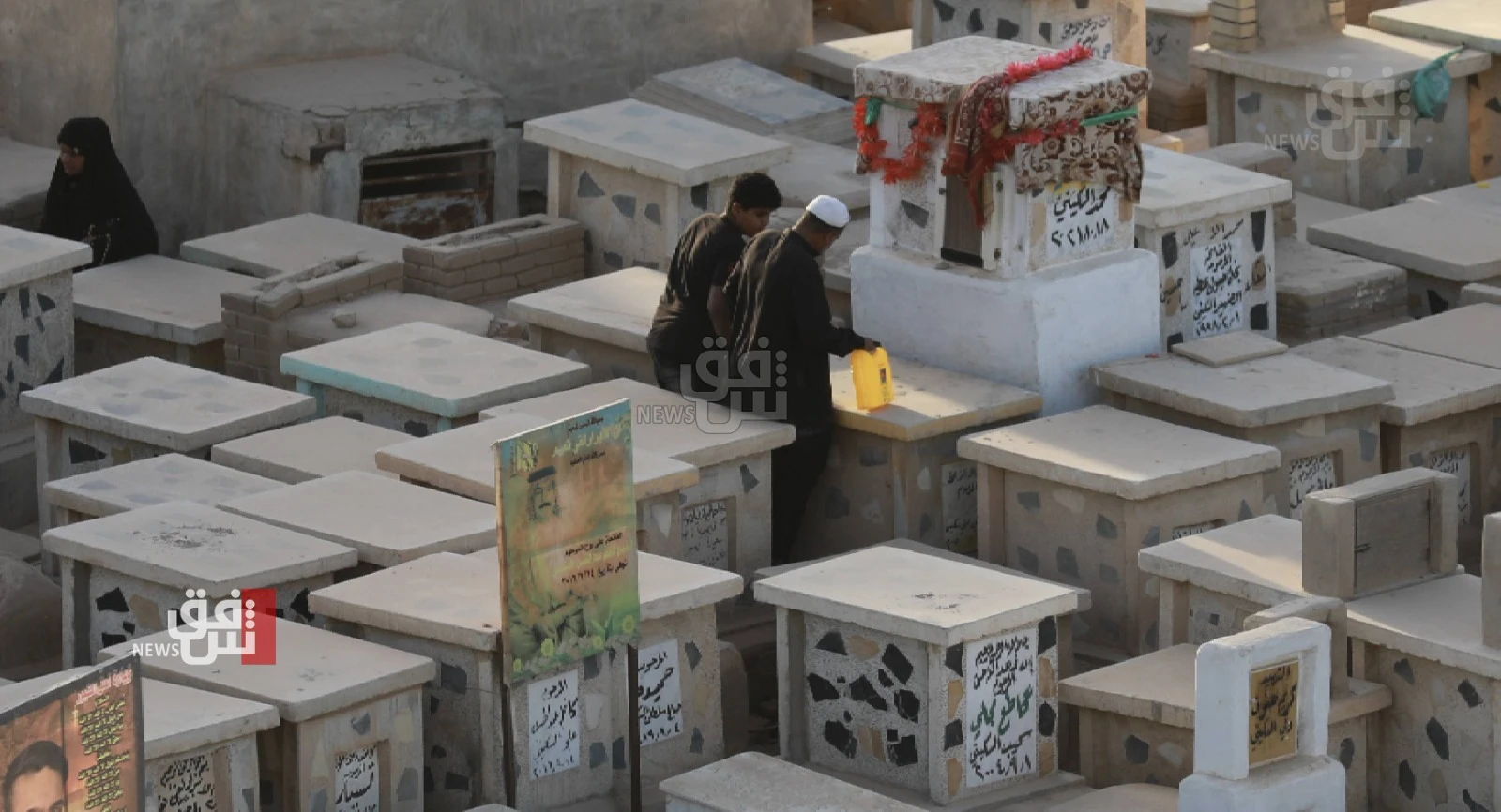
Visitors encounter a striking mix of graves, from simple markers to elaborate mausoleums adorned with inscriptions, tiles, and religious symbols. Together, they reflect centuries of social, cultural, and economic diversity, offering a visual history of the people buried here.
Religious practice thrives alongside the burials. Families and pilgrims come to pray, honor ancestors, and perform rituals, especially during major Shia occasions such as Ashura and Arbaeen. The cemetery hums with devotion, blending faith and memory with the continuous cycle of burials.
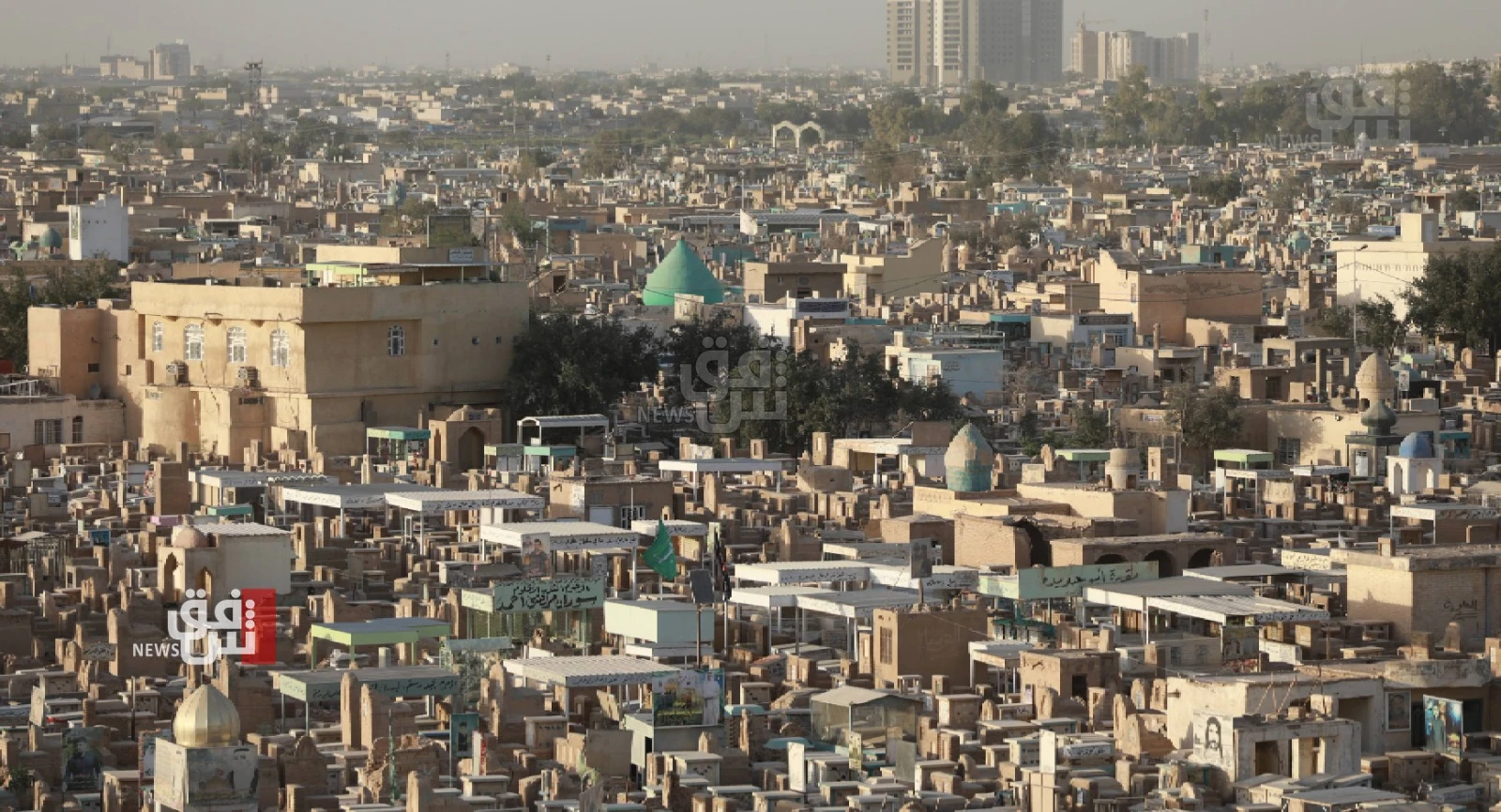
As Najaf’s population expands, the cemetery grows with it. NASA satellite imagery reveals tens of thousands of new graves added each year, while reports estimate roughly 50,000 burials annually. The pressures of urban expansion highlight the delicate balance between the city of the living and this vast city of the dead.
During the COVID-19 pandemic, Wadi Al Salam reflected the crisis sweeping Iraq. Special areas were designated for victims, producing a noticeable rise in burials and establishing the cemetery as a central site of national mourning.
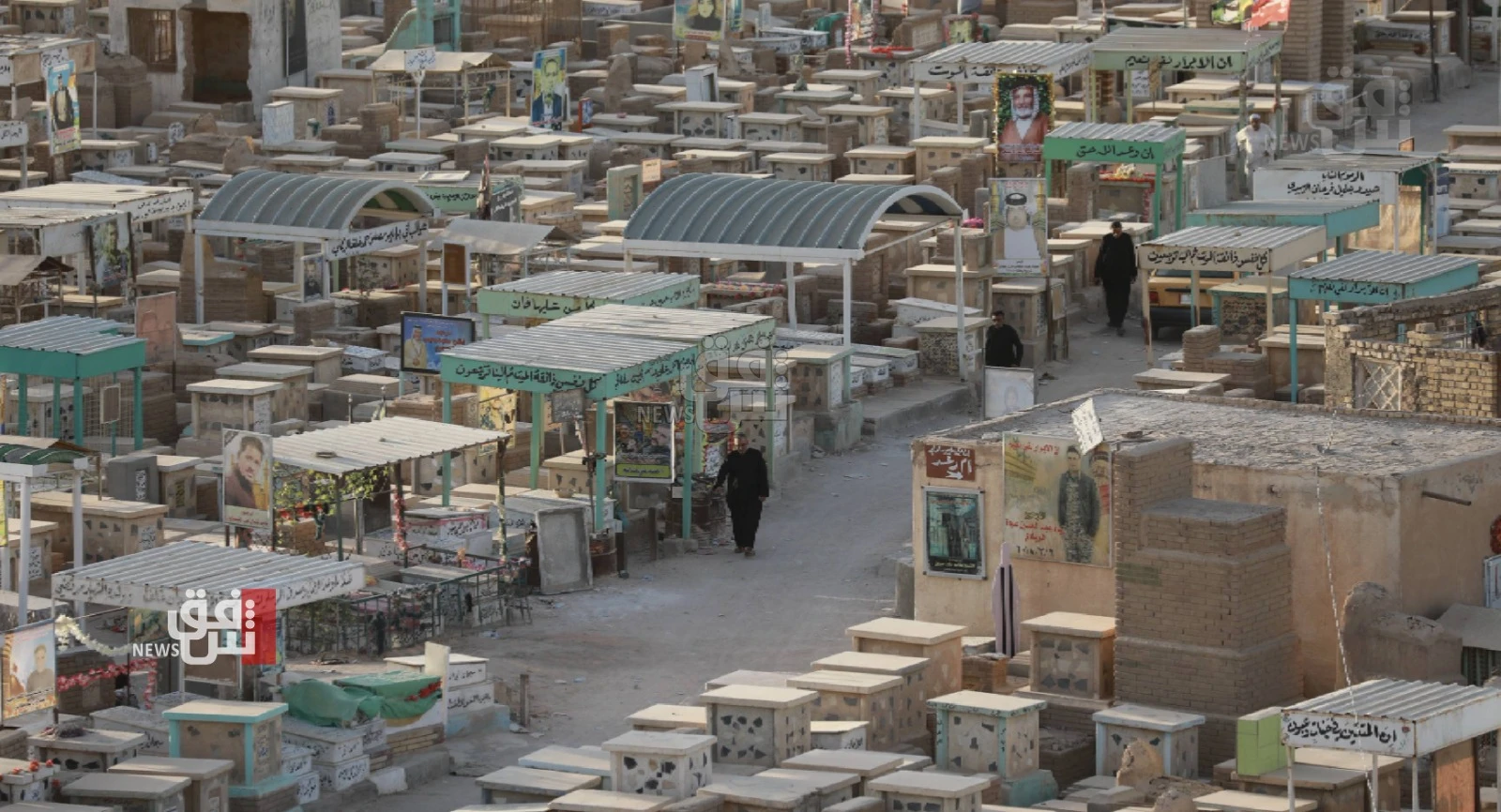
The layers of continuous burials have transformed Wadi al-Salam into a living part of Najaf—simultaneously a sacred space, a historical archive, and a functioning cemetery where faith, history, and urban life converge without pause.
Read more: Discover Iraq: Najaf, a city of dust and divinity
Written and edited by Shafaq News Agency.