The unseen lives of Iraq's 'Kareem Al-Nasab' children


Shafaq News
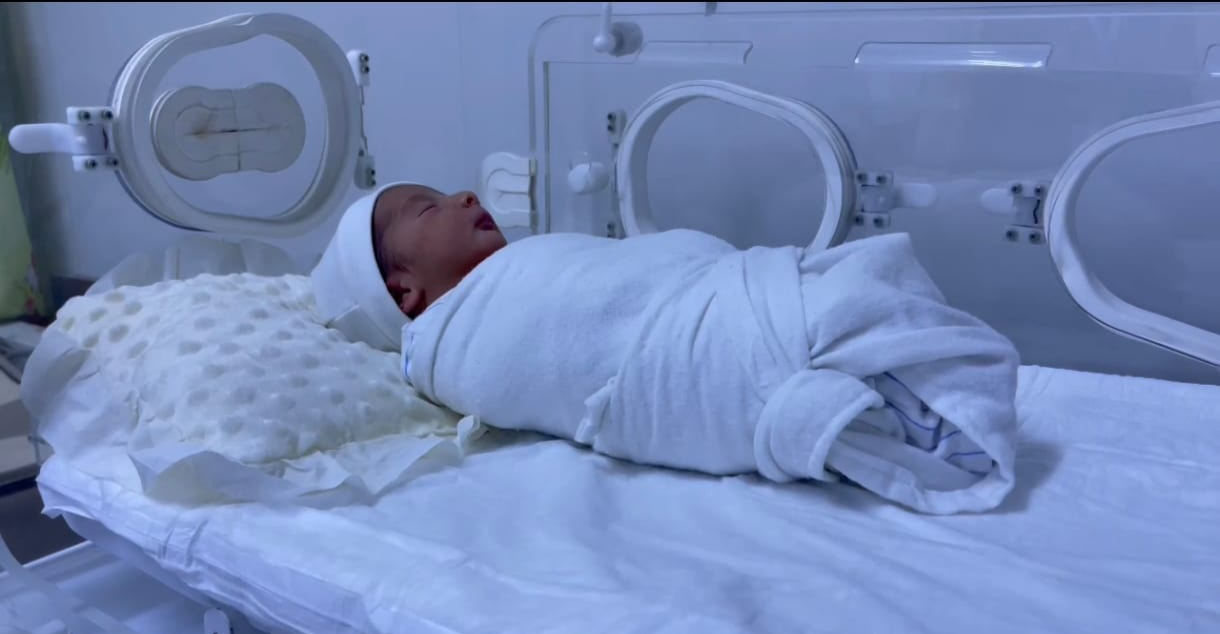
Wrapped in a thin, worn blanket and left outside the gate of Kirkuk University, a newborn faced his first hours of life in silence—exposed, fragile, and alone. Discovered by passersby, the infant, later named Abdullah, was rushed to the hospital for care.
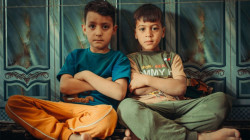
In Iraq, children like him are referred to as “kareem al-nasab” (“children of unknown or disputed parentage”)—a term used for those born out of wedlock, through illicit relationships, or abandoned by their parents.
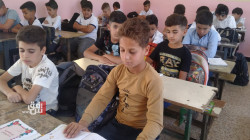
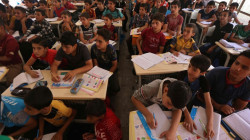
Government data from 2025 showed that orphanages across the country, excluding the Kurdistan Region, house approximately 75,000 children, a number that included both orphans and kareem al-nasab.
After being discovered, Abdullah was transferred to Kirkuk Children’s Hospital, where he remains under continuous medical supervision. A hospital source, speaking to Shafaq news, on condition of anonymity, confirmed that the infant is in relatively good health and has undergone all necessary examinations.
“Healthcare staff rotate daily to provide care, ensuring warmth and calm after the trauma he endured,” the source added, noting that legal procedures began immediately after his discovery and that officials are now coordinating adoption procedures in line with Iraqi law.
Beyond the Blanket
Abdullah’s story has drawn widespread sympathy, exposing the hidden struggles of children born into marginal circumstances and the difficult choices some parents feel forced to make.
The case has also stirred concern on social media over the recurring issue of child abandonment. One citizen wrote, “This child is innocent of the sins of adults… Abdullah today belongs to all of Kirkuk.”
Another remarked, “Every day we hear about abandoned children… authorities need to act to end this phenomenon.”
Yet, giving the child the name Abdullah—“Servant of God” in Arabic—has been widely regarded as an important step in granting him a temporary identity, offering a small measure of stability amid uncertainty.
The trend shows little sign of slowing. A senior security official in Kirkuk informed Shafaq News that Abdullah’s case is the fourth this year, following incidents in which newborns were left in public places, some only a day or two old.
“Efforts are underway to identify the mothers and provide care for the infants, but limited social awareness continues to complicate the process,” the official noted.
Over the past two years, Kirkuk has also witnessed similar episodes: a newborn abandoned in a landfill in the Qarah Hangiri area, a three-day-old infant discovered inside a mosque in the village of Ilangagi in the north of the province, and two children left by their mother at Kirkuk Hospital after no shelters accepted children under five.
Experts emphasize that such cases are rarely isolated. Social researcher Abdul Rahman Ali pointed out that abandoning newborns often stems from severe social and economic pressures rather than deliberate choice.
“Many mothers feel compelled to leave their children due to poverty, fear of social stigma, or insufficient psychological support,” he explained, urging broader support programs for women, the creation of well-equipped shelters, and simpler adoption procedures to secure a dignified life for abandoned children.
Society’s Burden
Despite legal protections under Article 383 of the Iraqi Penal Code, which criminalizes leaving a child in isolation or exposing them to danger or hunger, child abandonment remains widespread across Iraq.
The human toll of abandonment is profound. Pediatric psychologist Dr. Laila Hussein warned that children left alone at an early age can experience lasting emotional trauma and attachment difficulties.
“Prompt intervention is crucial to safeguard their well-being and foster healthy development,” she emphasized.
Yet legal protections often fall short. Lawyer Mohammad Al-Ali explained that adoption is allowed only for families who meet strict criteria, including social stability, psychological readiness, a clean criminal record, and the absence of biological children.
The process begins with a six-month provisional period under social worker supervision before permanent custody can be granted. However, beyond these formal requirements, cultural and religious traditions, he added, discourage adoption, limiting its prevalence across the country.
Where government support is lacking, non-governmental organizations step in to fill the gap. Iraq has 22 official shelters and 345 NGOs providing assistance nationwide, despite limited resources.
Written and edited by Shafaq News staff.