Lebanese President: Iran exploiting Lebanon in talks with US


Shafaq News- Beirut
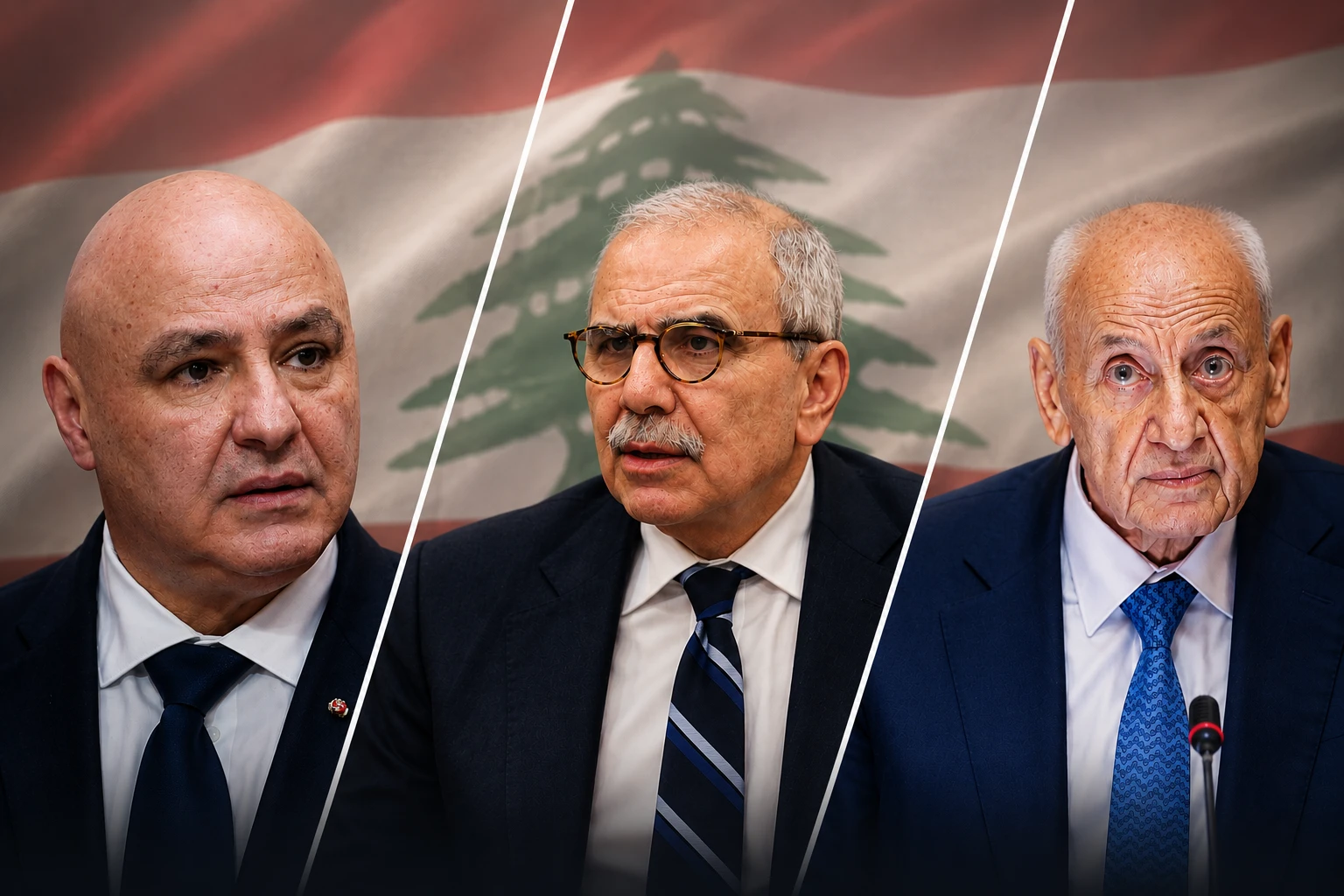
Iran is using Lebanon as a bargaining card in its negotiations with the United States, Lebanese President Joseph Aoun told CNN on Friday, claiming that the Lebanese people were paying the price for Tehran’s interests.
Addressing Iran, Aoun stated, “You are not trying to help us,” adding that the Lebanese people had grown tired of the war between Israel and Hezbollah and that Hezbollah Secretary-General Naim Qassem “does not represent the Lebanese people.”
On negotiations with Israel, Aoun claimed that the talks had been difficult but resulted in a major breakthrough, adding that the agreement could provide a path toward a “just and lasting peace.” The framework, however, does not include provisions requiring Israel to halt its strikes on Lebanon or withdraw from areas it occupies in the country’s south.
Prime Minister Nawaf Salam likewise defended Lebanon’s decision to negotiate, saying Beirut had chosen talks because they represented the “least costly” option for Lebanon and its people.
“The south and its people are paying the price for a decision they did not take and a war that is not theirs,” the prime minister emphasized, urging Iran to “have mercy on our south” and “stop treating southern Lebanon and its residents as a card to improve your negotiating position.”
Salam further alleged that Lebanon had succeeded in reaching a ceasefire agreement but was surprised that Iran's Islamic Revolutionary Guard Corps (IRGC) was the first party to reject it, although IRGC and Iranian officials, including Foreign Minister Abbas Araghchi, said they had delayed an agreement with the United States primarily due to a failure to reach an end to the war in Lebanon.
Earlier today, Parliament Speaker Nabih Berri announced that he supported Hezbollah's withdrawal from areas south of the Litani River, contingent on an Israeli withdrawal from occupied Lebanese territory. Any ceasefire, he added, must be “complete, comprehensive, and unconditional” by land, sea, and air, while also requiring an end to demolition and bulldozing operations.
He criticized the earlier US-brokered ceasefire announcement, saying it had been “booby-trapped” through the inclusion of experimental zones that excluded the presence of active parties. “Instead of this hybrid agreement, we could have viewed the text positively from the beginning had it included an unconditional ceasefire.”
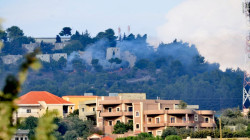
Since the framework was announced, Israeli strikes have continued across Lebanon, killing and injuring mostly women and children. Between March 2 and June 4, Israeli attacks left 3,558 dead and 10,870 wounded, according to the Lebanese Health Ministry.
Read more: Israel reshapes southern Lebanon: Displacement and settlement fears