Draft deal outlines Iran-Oman role in Strait of Hormuz


Shafaq News- Tehran (updated at 19:31)
Iran will manage the Strait of Hormuz in cooperation with Oman and aims to restore commercial shipping traffic to pre-war levels within a month, Iranian state television reported on Wednesday.
The proposed agreement reportedly includes the withdrawal of US forces from areas surrounding Iran and the lifting of the naval blockade. Military vessels are not covered by the draft.
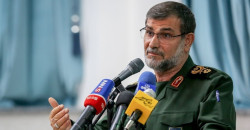
Meanwhile, Major General Nasser Arasteh, deputy head of the military advisers’ group to Iran’s Supreme Leader, claimed that the US military presence in the Gulf had “effectively ended,” regardless of whether a war breaks out. Arasteh argued that any future confrontation would evolve into a “trans-regional war” stretching from the Indian Ocean to the Mediterranean Sea.
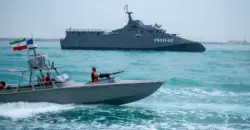
He also pointed to a “new reality” in Hormuz, under which no foreign vessel would be allowed to pass without prior authorization from the naval force of the Islamic Revolutionary Guard Corps (IRGC).
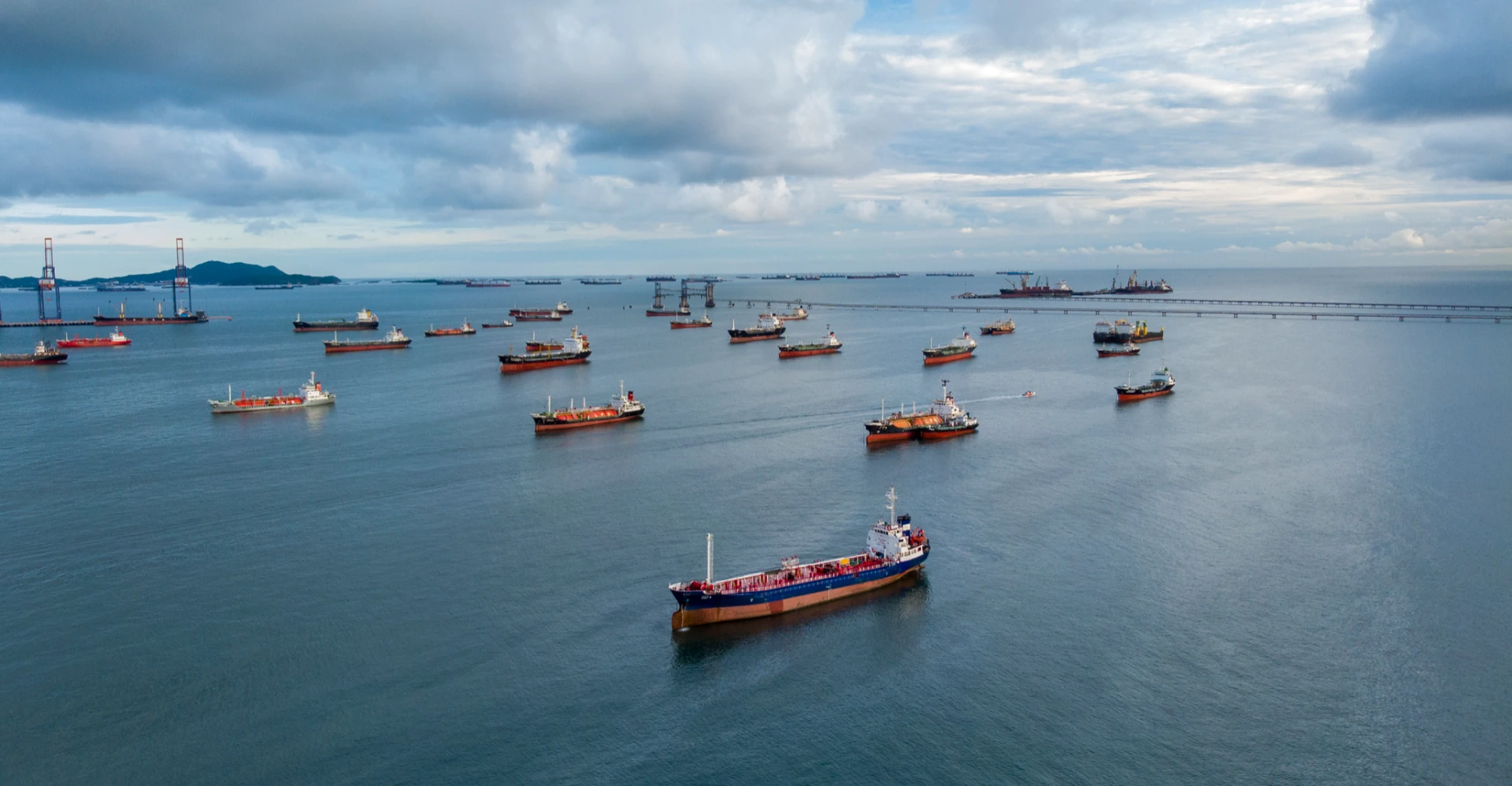
In an interview with Shafaq News, David Phillips, a visiting academic at St Antony’s College, Oxford University, and director of the Peace-building and Rights Program at Columbia University’s Institute for the Study of Human Rights, warned that nearly 1,500 commercial vessels and tankers have been stranded in the Arabian Gulf for more than three months with little prospect of moving soon.
Even if a political agreement is reached to reopen the Strait, the military and logistical reality is entirely different, Phillips pointed out. Clearing the waters of naval mines will take weeks, if not months. Maritime insurance costs will also remain extremely high and are unlikely to fall until the International Atomic Energy Agency (IAEA) issues an official certification confirming that the waterway is completely safe for navigation.
Earlier this week, Amir Ebrahim Rasouli, political adviser to the speaker of Iran’s parliament, said in a TV interview that “Hormuz should be managed by Iran in cooperation with regional countries,” noting that Tehran called for greater US “confidence-building measures” and regional control of the strait.
Washington and Tehran are negotiating a draft memorandum of understanding that would reopen the Strait of Hormuz —through which about 20% of global oil and liquefied natural gas supplies transit— and could help ease hostilities across several regional theaters, including Lebanon.
Read more: Trump’s balancing act with Iran tests diplomacy and deterrence