Fuel shortages paralyze Erbil gasoline stations


Shafaq News- Erbil
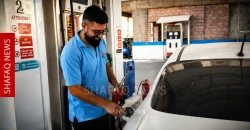
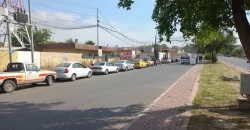
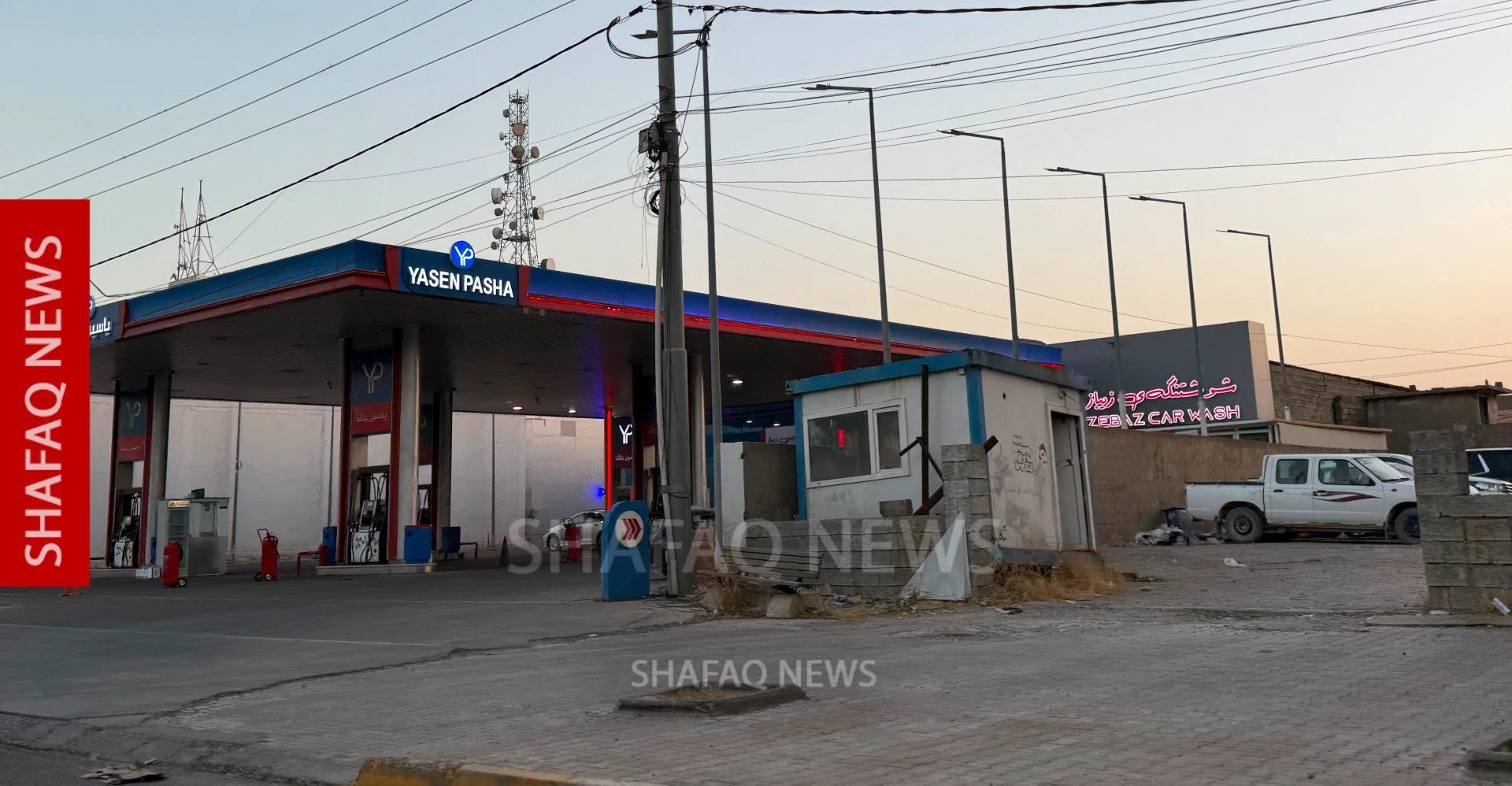
Long queues formed at gasoline stations across Erbil on Sunday as fuel supplies ran short, disrupting daily travel for residents despite recent government price cuts.
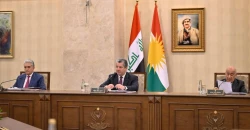
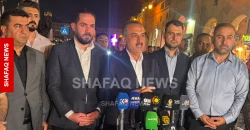
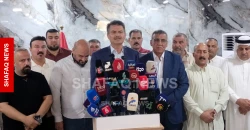
Kurdistan Regional Government (KRG) spokesperson Peshawa Hawramani confirmed to Shafaq News that officials met with gasoline traders to discuss the shortage and identify possible solutions.
"The crisis will be resolved as soon as possible," Hawramani noted, urging fuel station operators to reduce their profit margins and prioritize consumers’ needs.
The shortage has frustrated drivers who spent hours waiting at stations, only to leave without obtaining fuel. Ahmed Saleh, an Erbil resident, told Shafaq News that he waited for more than three hours in a fuel queue, but supplies ran out before he reached his turn.
“The lower prices introduced by the government had little effect because stations were unable to meet customer demand,” he said.
Dilshad Mohammed, another resident, explained that the shortage had disrupted his daily travel and forced him to temporarily stop working, calling on the KRG to introduce long-term measures to prevent repeated shortages and improve fuel distribution.
Before supplies declined, gasoline prices at private, non-subsidized stations had risen significantly. High-octane gasoline was selling for around 2,000 Iraqi dinars per liter ($1.54), improved gasoline for about 1,750 dinars ($1.35), and regular gasoline for more than 1,300 dinars ($1.00).
Those fuel categories have since become scarce at many stations, with some locations offering only kerosene and liquefied gas. Taxi drivers have been among those most affected by the shortage, as fuel availability directly affects their ability to continue working.
"The fuel queues are taking away valuable working hours every day and causing major financial losses," taxi driver Koran Omar told Shafaq News. "Sometimes we have to search for fuel at higher prices, while many stations do not have gasoline available. This is a serious problem because any driver can suddenly find themselves without enough fuel."
To ease pressure on consumers and regulate the market, the KRG has introduced lower fuel prices. Earlier this week, Erbil Governor Omed Khoshnaw declared that around 280 stations had committed to selling commercial regular gasoline at 850 Iraqi dinars ($0.65) per liter, while government-supplied gasoline would remain at 750 dinars ($0.58).
A Shafaq News survey, however, found regular gasoline still selling for around 1,300 dinars ($1.00) at some commercial stations, improved gasoline at 1,500 to 1,650 dinars ($1.15 to $1.27), and super gasoline at 1,700 to 2,000 dinars ($1.31 to $1.54).
Erbil’s Directorate of Oil and Minerals reported that authorities had detected fuel quality violations at 28 gasoline stations. Speaking to Shafaq News, Salar Mohammed, head of the Inspection and Monitoring Department at the Directorate, disclosed that tests on fuel samples collected from stations found cases of mislabeling, with regular gasoline being sold as improved gasoline and improved gasoline being marketed as premium "super" gasoline.
"The violations resulted in penalties against the stations, including temporary closures ranging from three days to one month, as well as fines of between 1 million and 5 million Iraqi dinars ($770 to $3,850)," he noted.
On July 4, KRG authorized fuel imports after reduced shipments, higher Iranian fuel prices, lower local allocations and rising summer demand drove up commercial prices and led to long queues at subsidized stations, amid broader regional energy disruptions linked to the US-Iran conflict and restrictions on shipping through the Strait of Hormuz.
Read more: Fuel costs in Iraqi Kurdistan defy ceiling prices