Najaf Imam rejects US stance on Al-Maliki: Iraqis don't accept humiliation


Shafaq News– Najaf
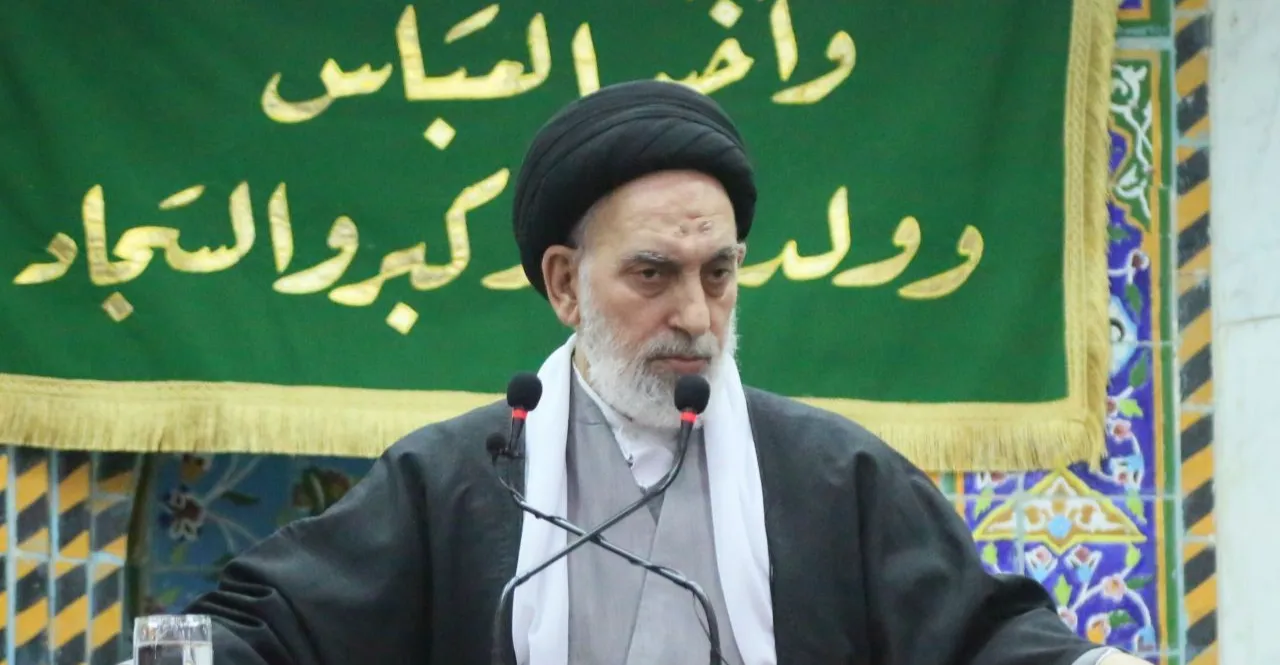
US opposition to the nomination of former Prime Minister Nouri al-Maliki constitutes a breach of Iraq’s sovereignty, senior leader in the Islamic Supreme Council of Iraq, Sadr Al-Din Al-Qubbanji, said on Friday, adding that the Shiite Coordination Framework (CF) now faces two options to resolve the issue.
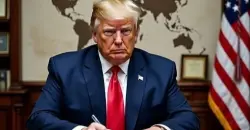
Al-Qubbanji, who is also Najaf’s imam, noted during a religious sermon that recent remarks by US President Donald Trump rejecting al-Maliki’s bid amounted to “a breaking of the Iraqi will,” arguing that the stance had triggered rejection at both elite and popular levels because it overstepped what he called “Iraq’s particularity.”
He called on Trump to adhere to political and diplomatic norms, and stressed that Iraq “is not a people that accepts humiliation and possesses a will that does not accept defeat.”
Addressing internal Shiite deliberations, Al-Qubbanji said the CF, the largest bloc in parliament, which has recently moved to nominate Al-Maliki, faces two paths: retreating from its decisions, which he described as an acknowledgment of lost sovereignty, or addressing the situation through diplomatic channels.
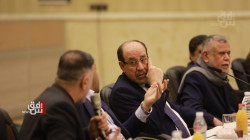
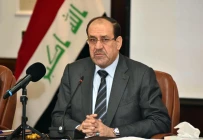
Earlier this week, Trump warned that Iraq would be making a “very bad choice” if it reinstated al-Maliki as prime minister, cautioning that Washington would withdraw its support should he return to power, a step Baghdad views as a sovereign matter decided solely by Iraqis. Al-Maliki called Trump’s remarks a blatant interference in the country’s internal affairs and a violation of national sovereignty, confirming he would continue seeking the post.
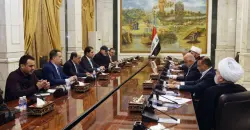
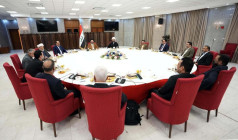
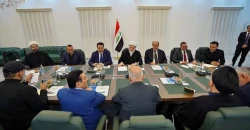
Informed sources told Shafaq News that recent talks within the CF exposed divisions over both al-Maliki’s nomination and how to respond to Trump’s warning, with one camp favoring pressing ahead to assert sovereignty while another is considering a compromise candidate to ease domestic tensions and international pressure.
Read more: Nouri Al-Maliki’s return rekindles Iraq’s divisions as Iran and the US pull apart