Prisoners’ drawings preserve memories of Iraq’s 1920 revolt


Shafaq News- Najaf
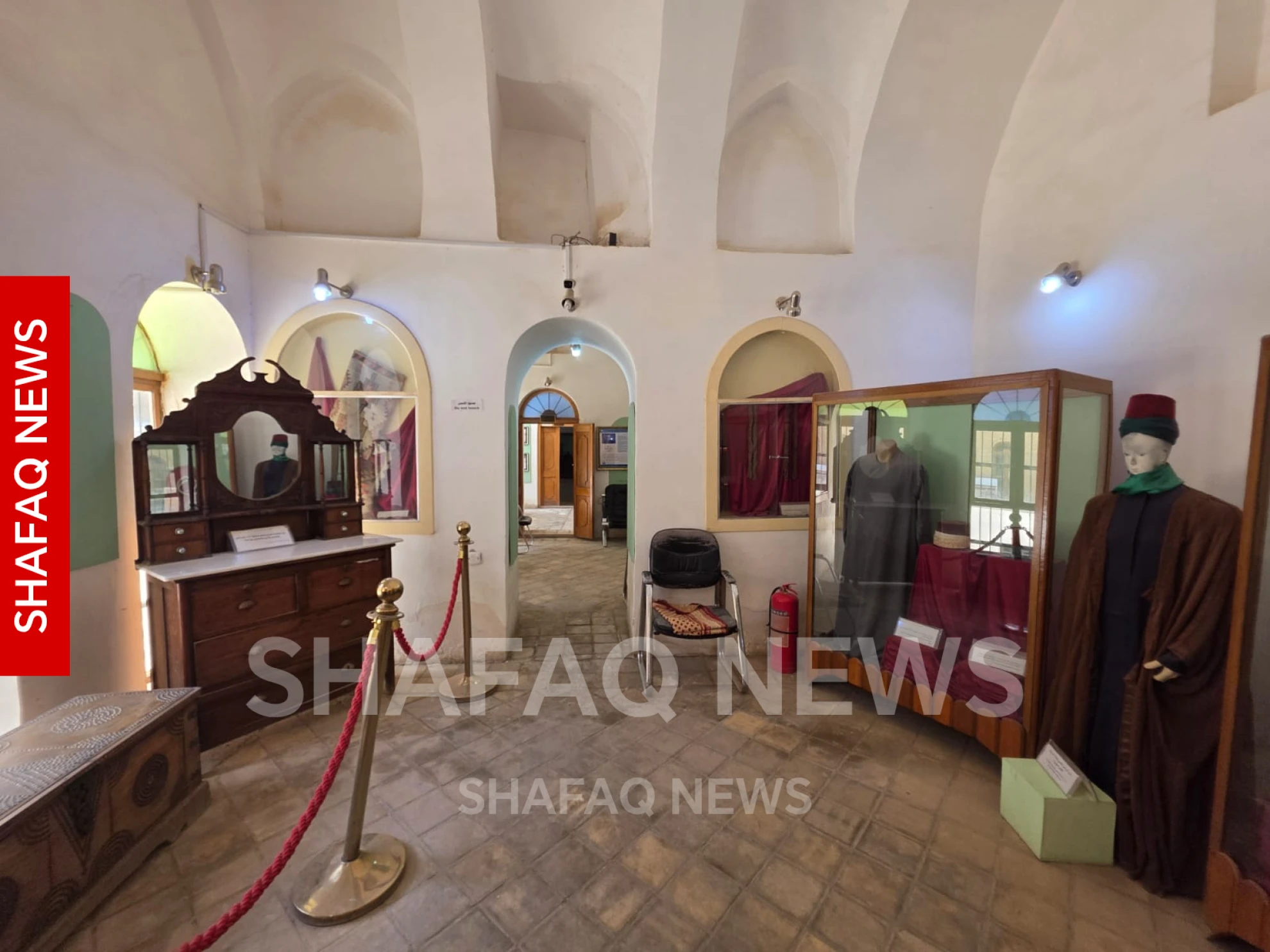
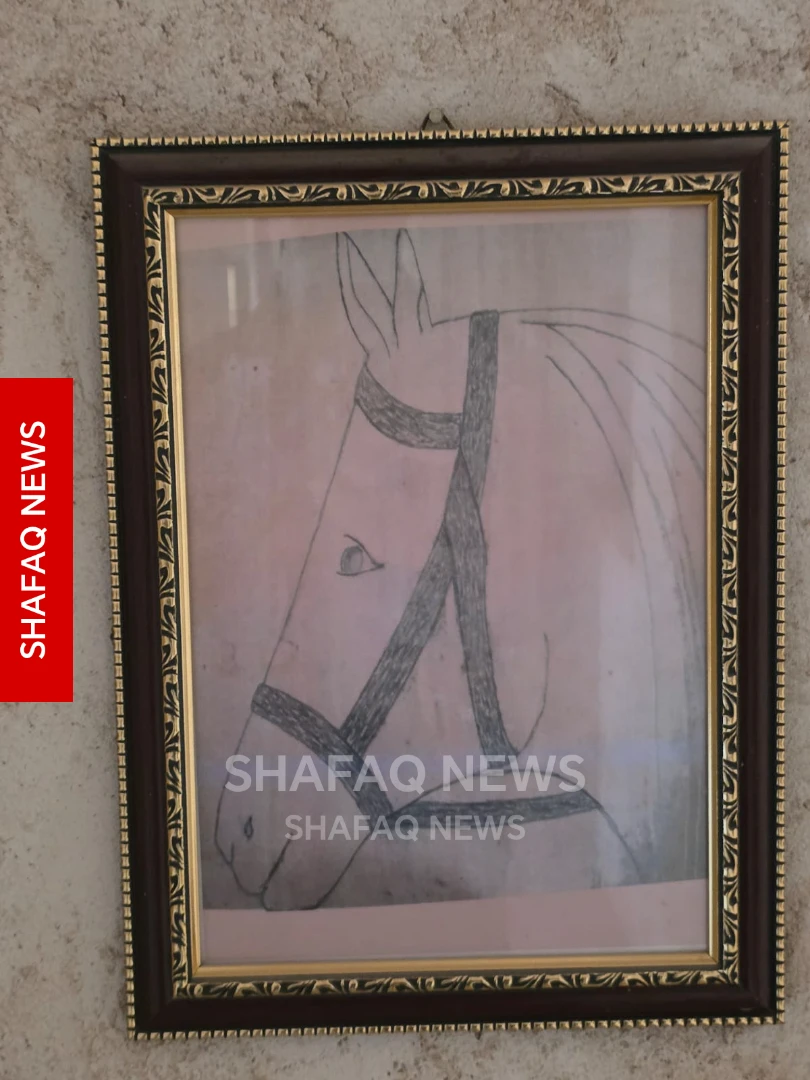
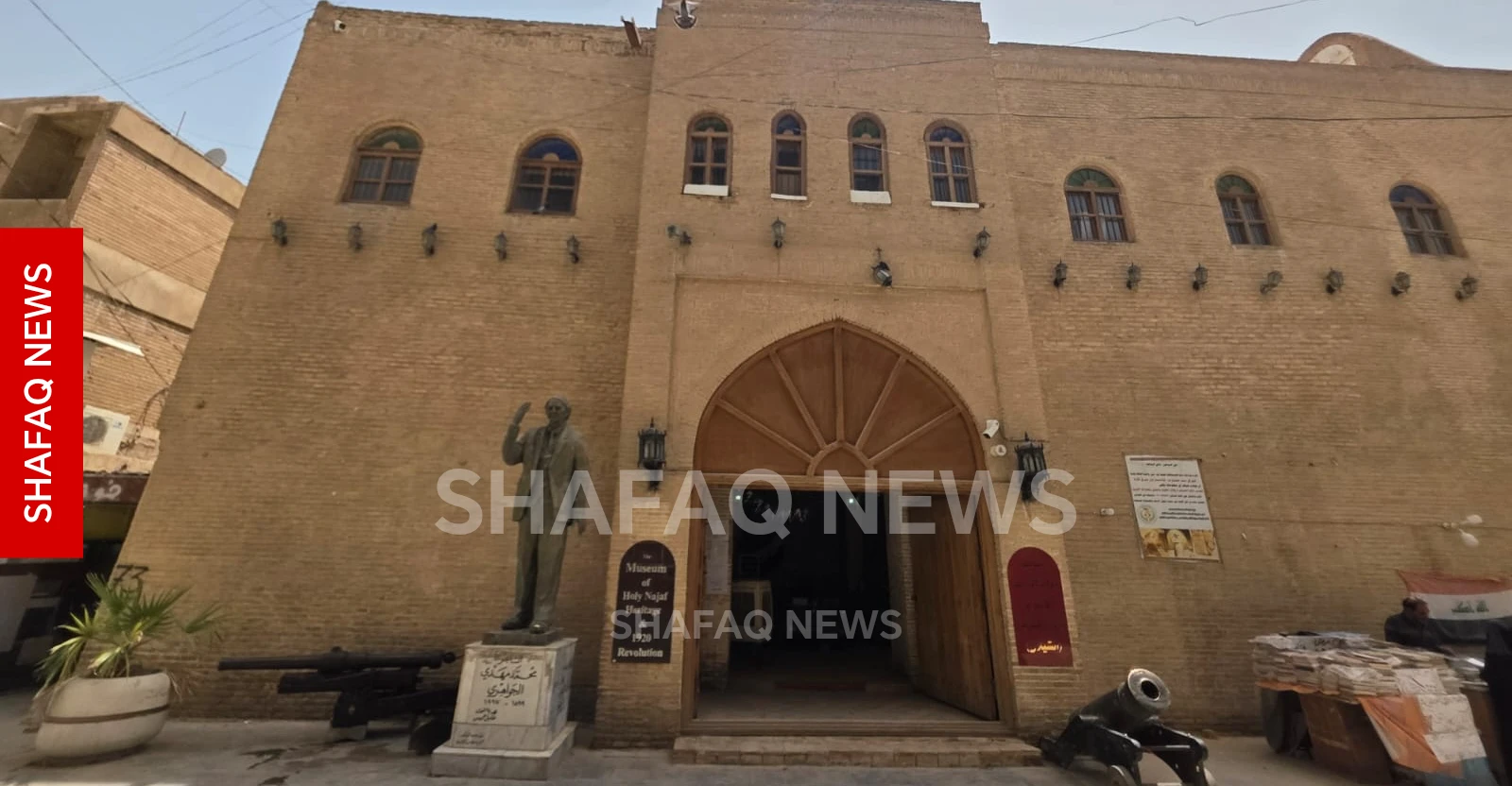
More than a century after British and Indian soldiers were captured during Iraq’s 1920 revolt against British rule, their words and drawings remain on the walls of Khan al-Shilan, a historic building in Najaf’s old city. The inscriptions offer glimpses of how they lived and what they missed while in captivity.
Kholoud Abdul Rahman, the museum's director, told Shafaq
News that the prisoners left behind drawings of wives and girlfriends,
references to their homes, and the names of military units. “These personal
records give the surviving inscriptions significance beyond their historical
and military context.”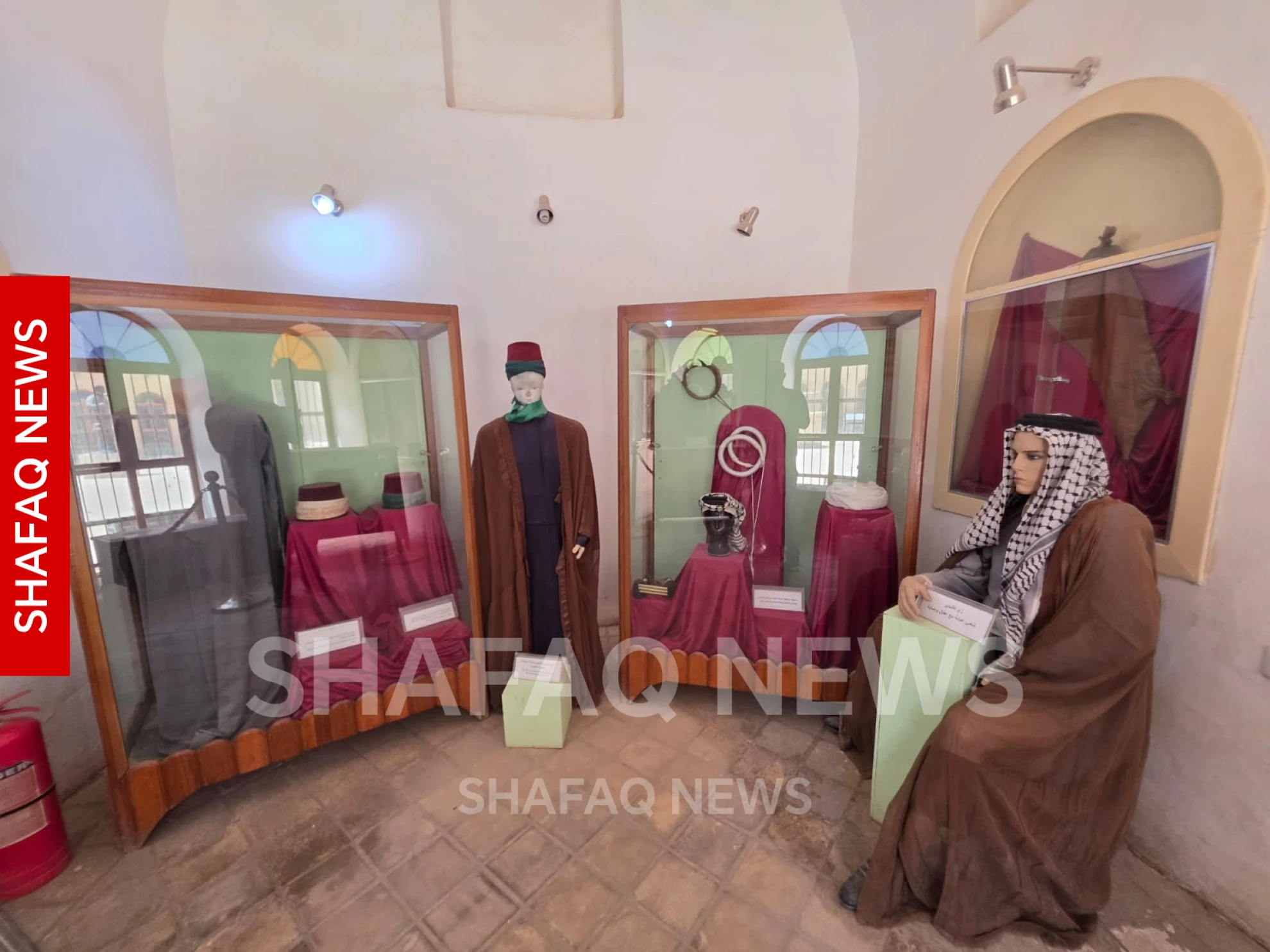
Messages From Captivity
Built in 1895, Khan al-Shilan originally accommodated visitors to Najaf before serving as a detention site for British and Indian soldiers captured during the 1920 revolt following the Battle of al-Raranjiya, historian Ali Abbas al-Tamimi told Shafaq News.
The khan held 167 prisoners, including two officers, for approximately four months, he said. Religious authorities in Najaf formed a special committee to care for the captives, providing bread, dates, cucumbers, sugar, tea, tobacco and matches, along with envelopes that allowed them to write to their families.
Some inscriptions expressed hope and perseverance, including messages translated as “We shall attain life, meaning freedom” and “Patience is a virtue.” Others recorded names, military numbers and symbols, alongside sketches of soldiers and guards. Among the drawings identified by al-Tamimi are a Sikh soldier with a long beard, a British officer wearing his military cap, and a depiction of Najaf featuring the shrine of Imam Ali. Another shows an aircraft flying over the city while a man below fires a rifle toward it. One particularly personal message was addressed to a prisoner's fiancée. The writer expressed anxiety over his uncertain fate and feared they might never meet again.
The prisoners were eventually handed over to a
representative of the British government.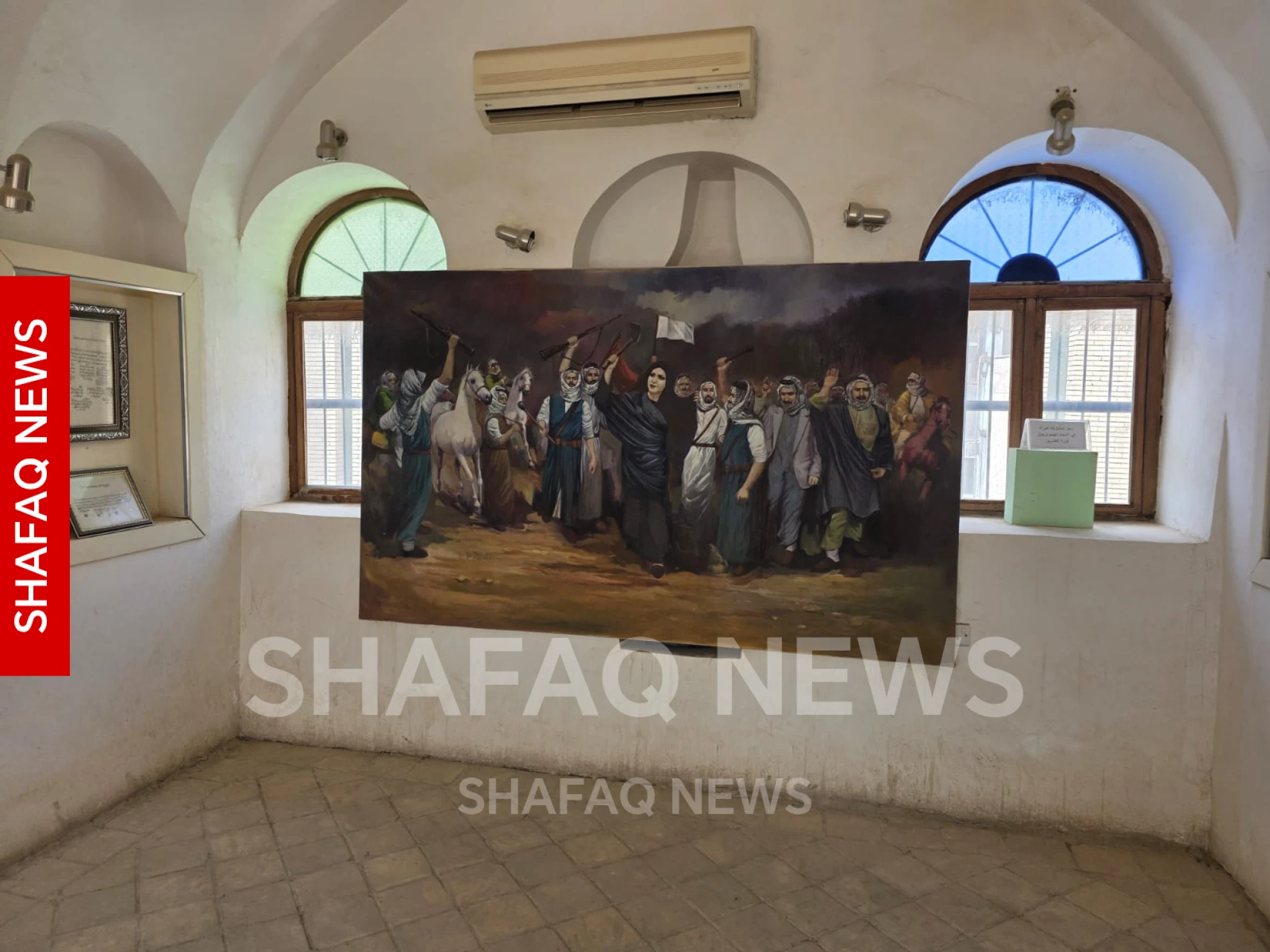
From Guesthouse to Military Headquarters
In an interview with Shafaq News, historian Hassan al-Hakim said the building served as an Ottoman military barracks during World War I. Following the Ottoman defeat at the Battle of Shaiba near Basra in 1915, residents of Najaf took control of the khan and established a local government that, according to his account, remained in place until 1917.
British forces later entered Najaf and took control of the building. In 1918, the city witnessed an uprising against British rule, during which British administrator Captain Marshall was killed. The incident led to a 40-day British siege before the city was brought back under British control.
Preserving Najaf's Architectural Heritage
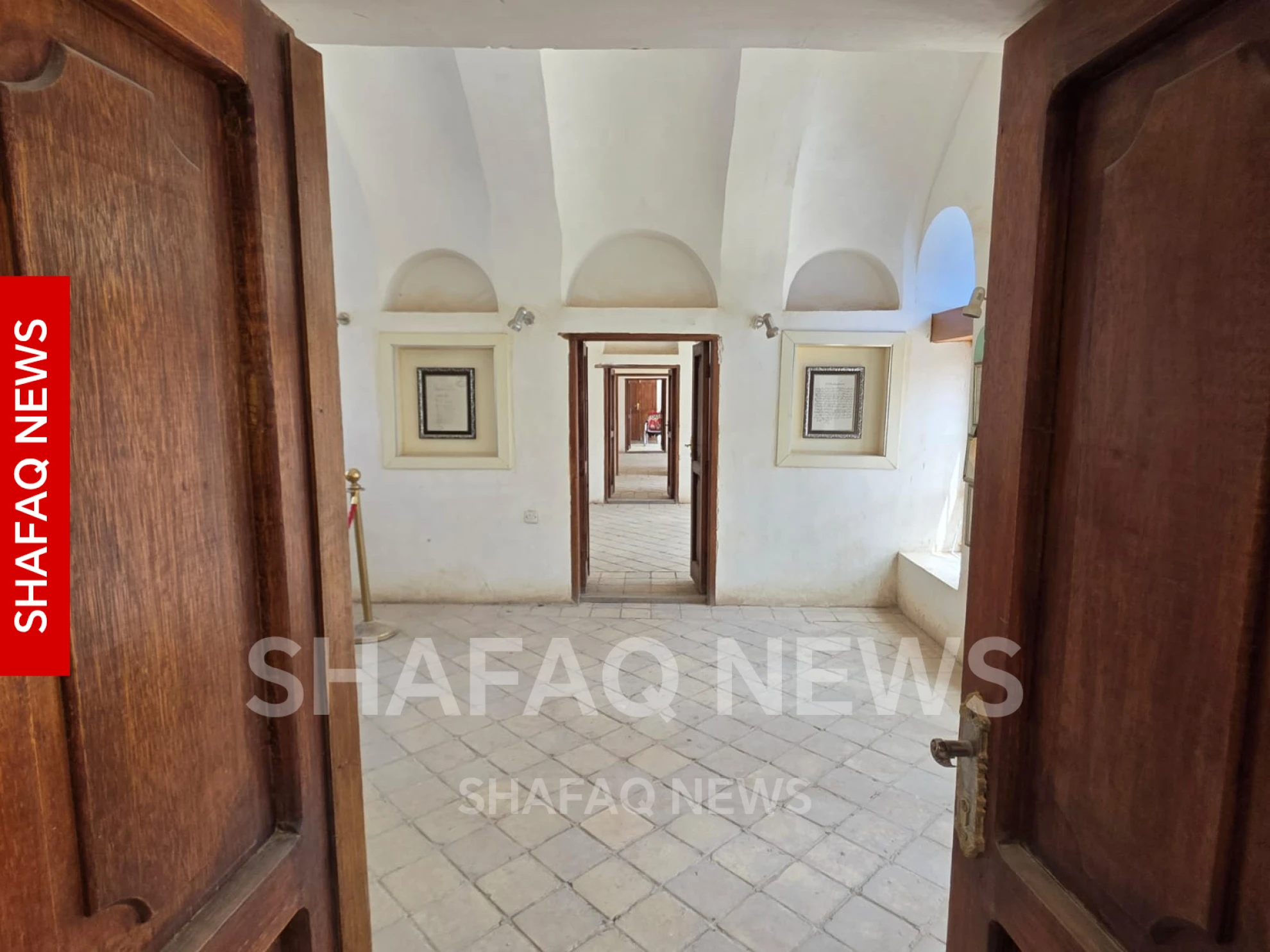
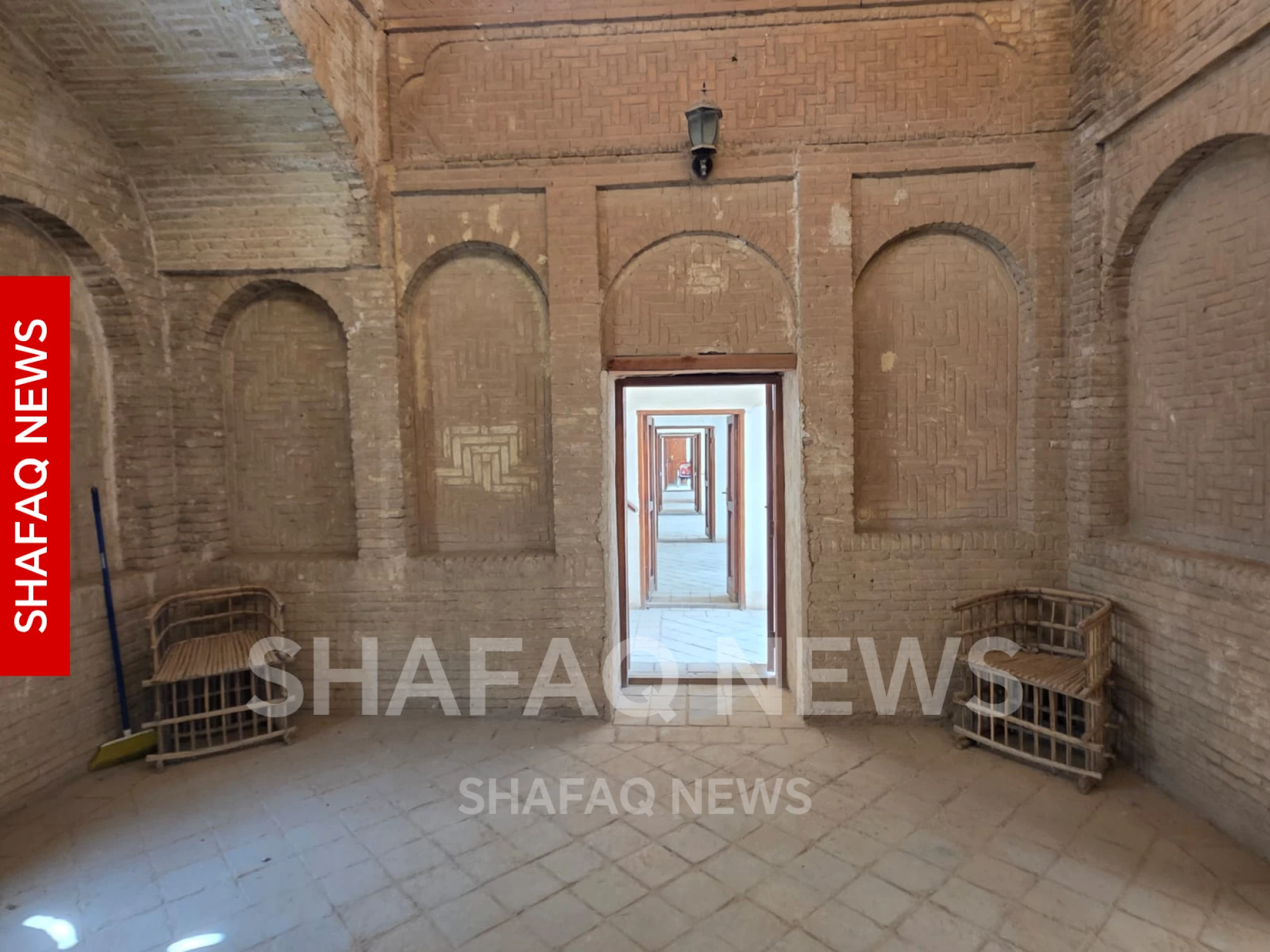
Khan al-Shilan covers approximately 1,500 square meters and includes a basement and two upper floors, with interconnected rooms opening onto arched iwans —vaulted halls open on one side— according to Abdul Rahman.
Its walls feature Islamic decorative patterns, while vaulted
ceilings built with traditional bricks reflect construction techniques found in
other historic buildings across Najaf's old city.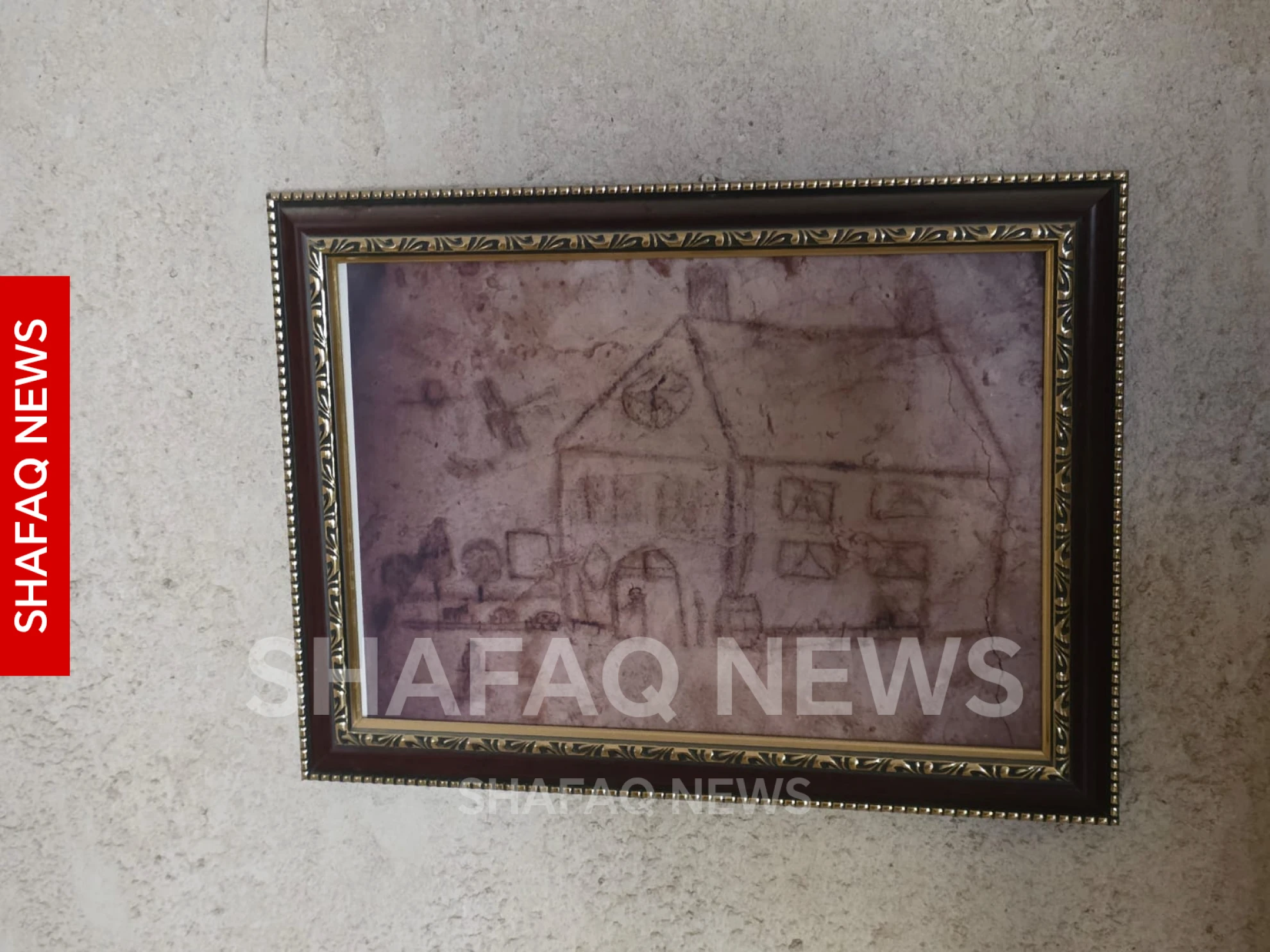
The structure, however, has suffered years of neglect and damage, including the demolition of some sections, raising concerns about the survival of its historic inscriptions.
Al-Hakim said he had attempted to protect the prisoners' drawings from deterioration using plastic sheeting and plaster before the State Board of Antiquities and Heritage undertook restoration and maintenance work.
Read more: Discover Iraq: Najaf, a city of dust and divinity