Power crisis forces Iraqi minister to face parliament


Shafaq News- Baghdad
Iraq's deepening electricity crisis led to fresh protests in several provinces on Sunday as Electricity Minister Ali Saadi Waheeb sought to appear before parliament to publicly explain the country's worsening power shortages.
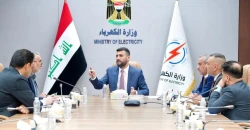
In a statement, the Electricity Ministry said the minister had requested a parliamentary session to present a comprehensive assessment of the national grid, outline the challenges facing the sector, and answer lawmakers' questions. It described the move as the first time an Iraqi electricity minister has voluntarily asked to address parliament without a formal summons.
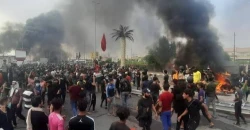
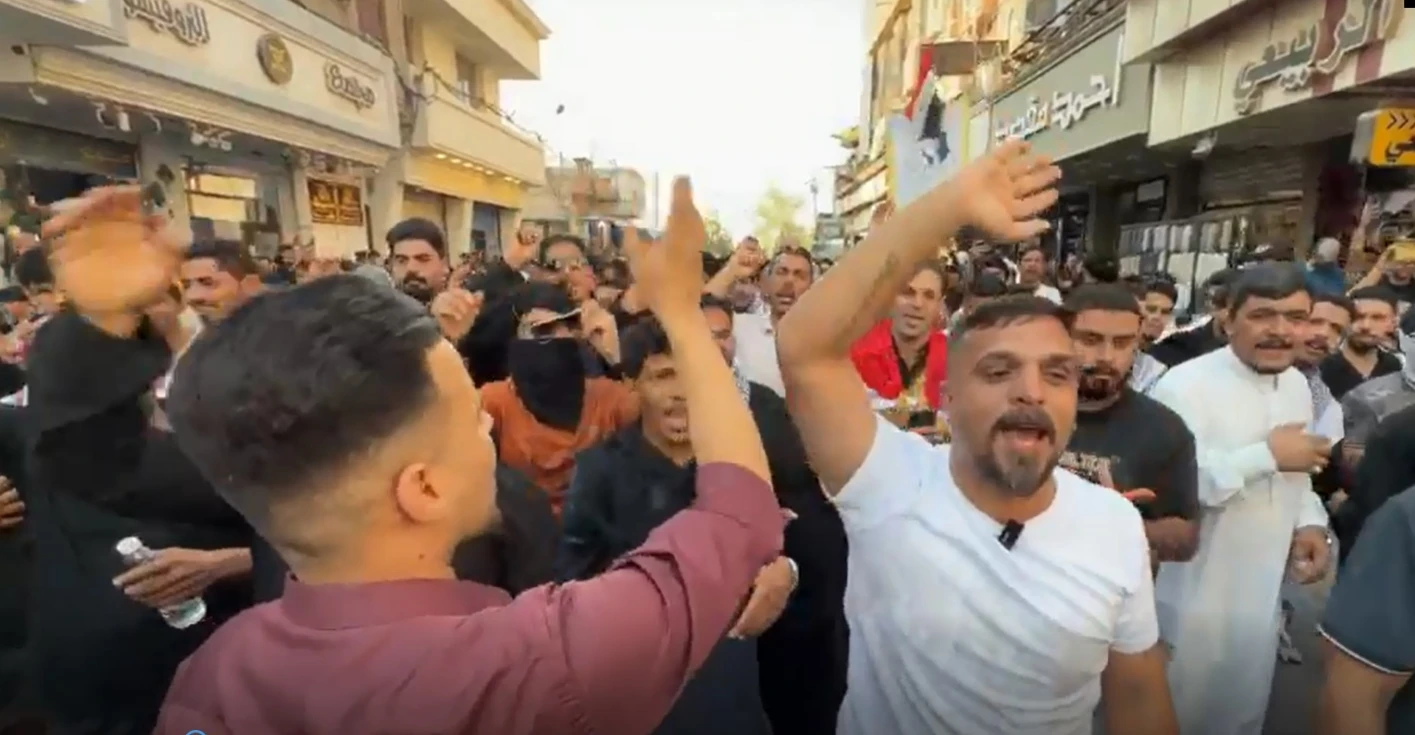
Demonstrations spread across al-Muthanna and Kirkuk, where residents protested prolonged power outages amid soaring summer temperatures.
In al-Muthanna’s Samawah district, dozens of demonstrators gathered in the city center, blaming local authorities for “failing to secure the province's electricity allocation” and demanding pressure on Baghdad to improve supplies.
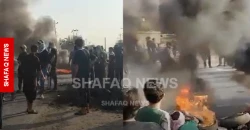
In Kirkuk, protesters blocked a main road after deteriorating electricity supplies and the shutdown of a neighborhood generator. The situation has been compounded by a fuel shortage affecting private generators. Thamer Al-Ishaqi, head of Kirkuk's Generator Owners Association, told Shafaq News that 138 of the province's roughly 1,005 private generators had stopped operating after running out of kerosene.
He said current fuel allocations cover only about 240 hours of operation per month, leaving a deficit of around 70 hours. As a result, generator owners have been forced to buy fuel on the commercial market, where the price of a 200-liter barrel has climbed from 160,000 Iraqi dinars (about $104) to 230,000 dinars (about $150) in just two days and could rise further.
Al-Ishaqi attributed the shortage to disruptions in domestic fuel supplies and the suspension of deliveries from production facilities in Erbil, Al-Sulaymaniyah and Baghdad.
Read more: 40-GW electricity gap forces Iraq to back private generators
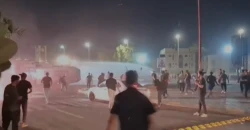
Earlier, similar demonstrations erupted in Dhi Qar and Wasit, where protesters blocked roads and demanded improved electricity supplies. In Wasit, clashes left more than 50 police officers injured and more than 10 people detained.
According to the Electricity Ministry, summer demand has exceeded 60,000 megawatts, while available generation remains nearly 40,000 megawatts short. The ministry attributed the deficit to illegal grid connections and reduced natural gas supplies following the regional conflict and disruptions linked to the closure of the Strait of Hormuz.
Power cuts have long been one of Iraq's most persistent public grievances, with temperatures frequently exceeding 50°C during the summer months and millions of households relying on private generators to compensate for limited state electricity.
Read more: Beyond 50°C: How decades of conflict are heating Iraq