Authorities move to contain sudden electricity crisis in Dhi Qar


Shafaq News– Dhi Qar
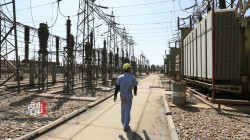
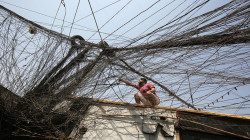
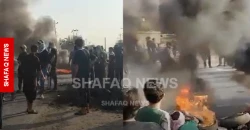
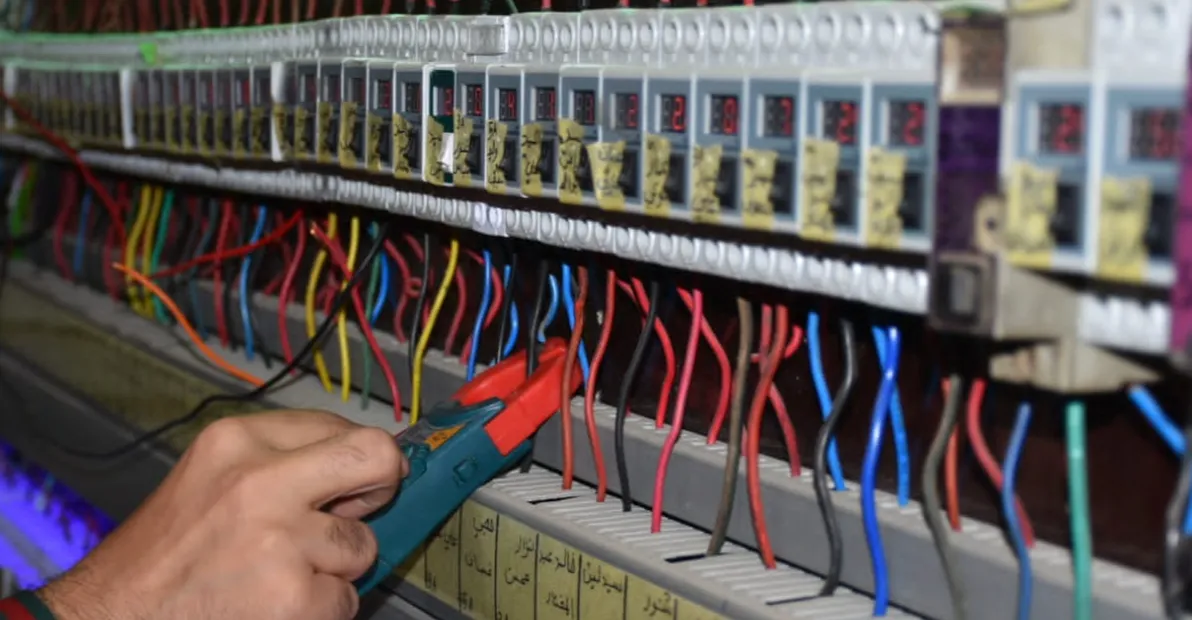
Authorities in Iraq’s Dhi Qar moved on Thursday to contain a sudden electricity shortfall after a province-wide shutdown of private generators sharply reduced power supplies in Nasiriyah and surrounding areas.
Governor Haitham Aziz Adel ordered the immediate enforcement of a provincial council decision requiring private generator owners to resume operations, while opening talks with federal bodies in Baghdad, including the General Commission for Taxes and the Oil Products Distribution Company, to resolve the dispute that triggered the outage.
The crisis erupted after the Association of Private Generator Owners halted operations in protest over the suspension of gas fuel supplies used to run generators. The association said fuel deliveries were conditioned on obtaining tax clearance certificates, a requirement that exposed long-standing liabilities for many operators.
Association head Muhannad Al-Husseinaoui told Shafaq News that more than 2,500 generators stopped operating across Nasiriyah and nearby districts, cutting electricity hours and deepening pressure on an already strained grid. He said many owners who approached tax authorities were confronted with unpaid dues dating back more than 15 years.
“Some operators discovered liabilities of 30 to 40 million Iraqi dinars [$23,000–$31,000] without any prior notification,” Al-Husseinaoui said. “The figures were unexpected, and there is no clear mechanism to address them.”
He said the strike would continue unless authorities agree to limit tax obligations to payments starting in 2026, arguing that owners should not be held responsible for accumulated dues they were never formally informed about.
Separately, Ali Saber, a lawmaker representing Dhi Qar, said the province faces a structural electricity deficit. He told Shafaq News that Dhi Qar needs at least 900 megawatts to operate on a two-hours-on, two-hours-off schedule, 1,200 megawatts to extend supply to four hours on and two off, and 1,500 megawatts to ensure uninterrupted winter electricity.
Saber said the province currently receives about 5% of Iraq’s winter electricity output, a share that drops further after allocations for Basra and priority supply lines to hospitals and critical facilities, leaving Dhi Qar with 650 to 700 megawatts.
He urged authorities to raise the province’s electricity allocation, reassess distribution ratios set by the national coordination committee, and ensure accurate production and consumption data to prevent encroachment on provincial shares. On the generator dispute, Saber said accumulated tax liabilities remain the core issue, noting that more than 90% of generator owners have yet to settle past dues.