New archaeological site adds to Al-Anbar’s 438 finds


Shafaq News- Al-Anbar
A major archaeological site discovered about a week ago in Iraq’s western Al-Anbar province has yielded numerous artifacts, although their age remains undetermined as excavations continue, provincial Tourism Director Zuhair Abed Mohammed told Shafaq News on Thursday.
The site lies in Al-Bukhanfar, in Al-Karma district east of the provincial capital Ramadi. Mohammed explained that the area lies over the remains of an older historical city, raising the possibility that it contains archaeological layers from different periods.
Researchers have yet to establish whether the artifacts date to the Abbasid era, the preceding Umayyad period, or earlier times, with further excavation and study expected to clarify the site's history and the significance of the finds.
Al-Anbar has about 438 registered archaeological sites, most along the banks of the Euphrates River, with a smaller number scattered across the Al-Rutba desert, provincial antiquities inspector Mohammed Jassim said, estimating that many more remain buried.
Read more: 150,000 archaeological sites, 556 tourists: Iraq's oil economy explains the gap
Among other finds is Hamrat Al-Alaja Hill, an archaeological site uncovered deep in the Al-Anbar desert. Archaeological teams have also documented Al-Maftoul Castle and an Ottoman gendarmerie post dating to the early 20th century.
Beyond its archaeological heritage, Al-Anbar is seeking to expand its tourism sector, with Mohammed noting that land in Al-Baghdadi has been allocated for an integrated tourism complex, though the project remains under preparation and has yet to enter the construction phase.
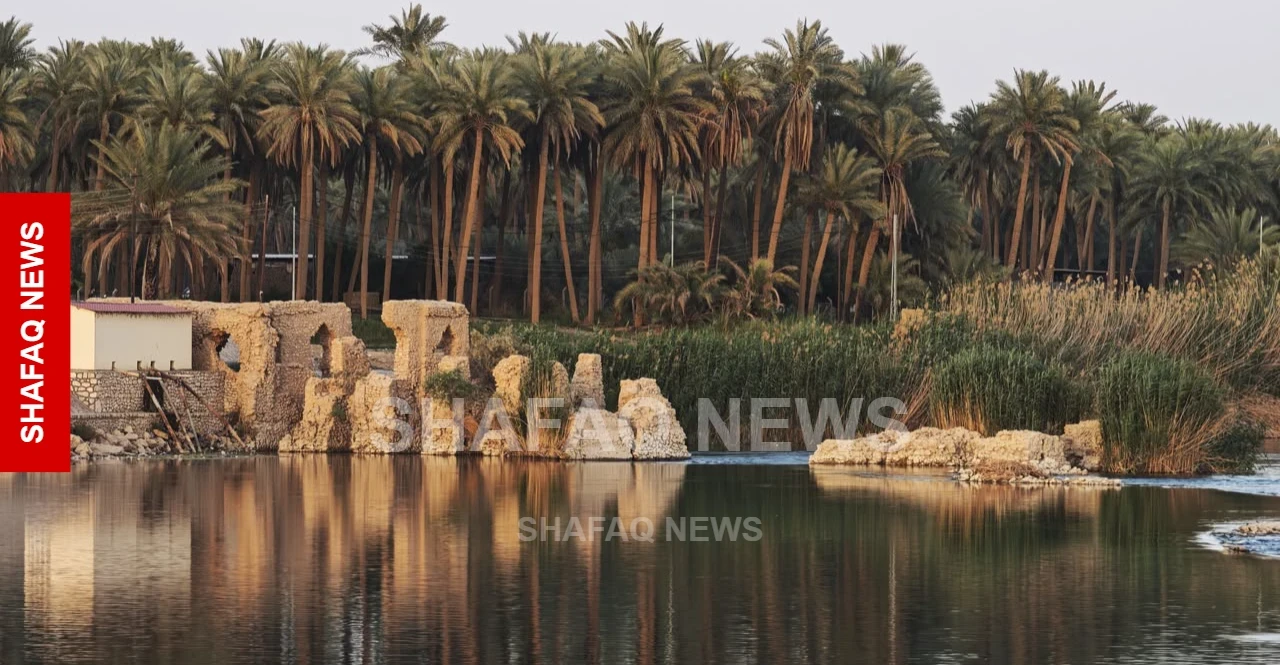
He identified Al-Baghdadi and the traditional waterwheels in Hit, an ancient city on the Euphrates, among the province’s main attractions, while pointing to completed projects including the Anbar International Hotel.
Last week, provincial Environment Director Qais Najeh pointed to the presence of blind fish in a cave in Al-Khasfa, clarifying that they were not a new discovery and had first been documented in 2010.