Najaf registers 190+ heritage buildings under preservation law


Shafaq News- Najaf
Najaf province in southern Iraq has registered 196 heritage buildings across the provincial capital and its districts and subdistricts, Mohammed Al-Mayali, director of Najaf’s Antiquities and Heritage Department, told Shafaq News on Saturday.
The survey covered traditional houses, shrines, mosques, Husseiniyas (Shiite Muslim congregation halls), religious schools, cemeteries, caravanserais, bathhouses and several government schools.
He said restoration or rehabilitation work on registered heritage buildings requires prior approval from the Antiquities and Heritage Department and must be carried out under its supervision. The protections fall under Iraq’s Antiquities and Heritage Law No. 55 of 2002, which provides the main legal framework for safeguarding archaeological and heritage properties.
Across Iraq, heritage buildings range from Ottoman-era houses and traditional markets to mosques, churches, schools and public buildings. The State Board of Antiquities and Heritage has said most registered heritage buildings in Baghdad and other provinces are privately owned, while others belong to municipalities, religious endowments and local governments. The law permits private ownership and sale but prohibits demolition or alterations that compromise a building’s heritage character.
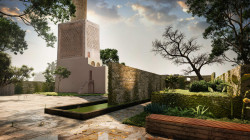
Preservation projects have accelerated in several Iraqi cities. The government-backed Pulse of Baghdad initiative had restored about 150 heritage buildings, houses and shops, particularly along Al-Rasheed and Al-Mutanabbi streets. In Mosul, UNESCO-backed reconstruction has restored 124 heritage houses, alongside major landmarks including the Al-Nuri Mosque, Al-Hadba Minaret, Al-Tahera Church and Al-Saa’a Church.
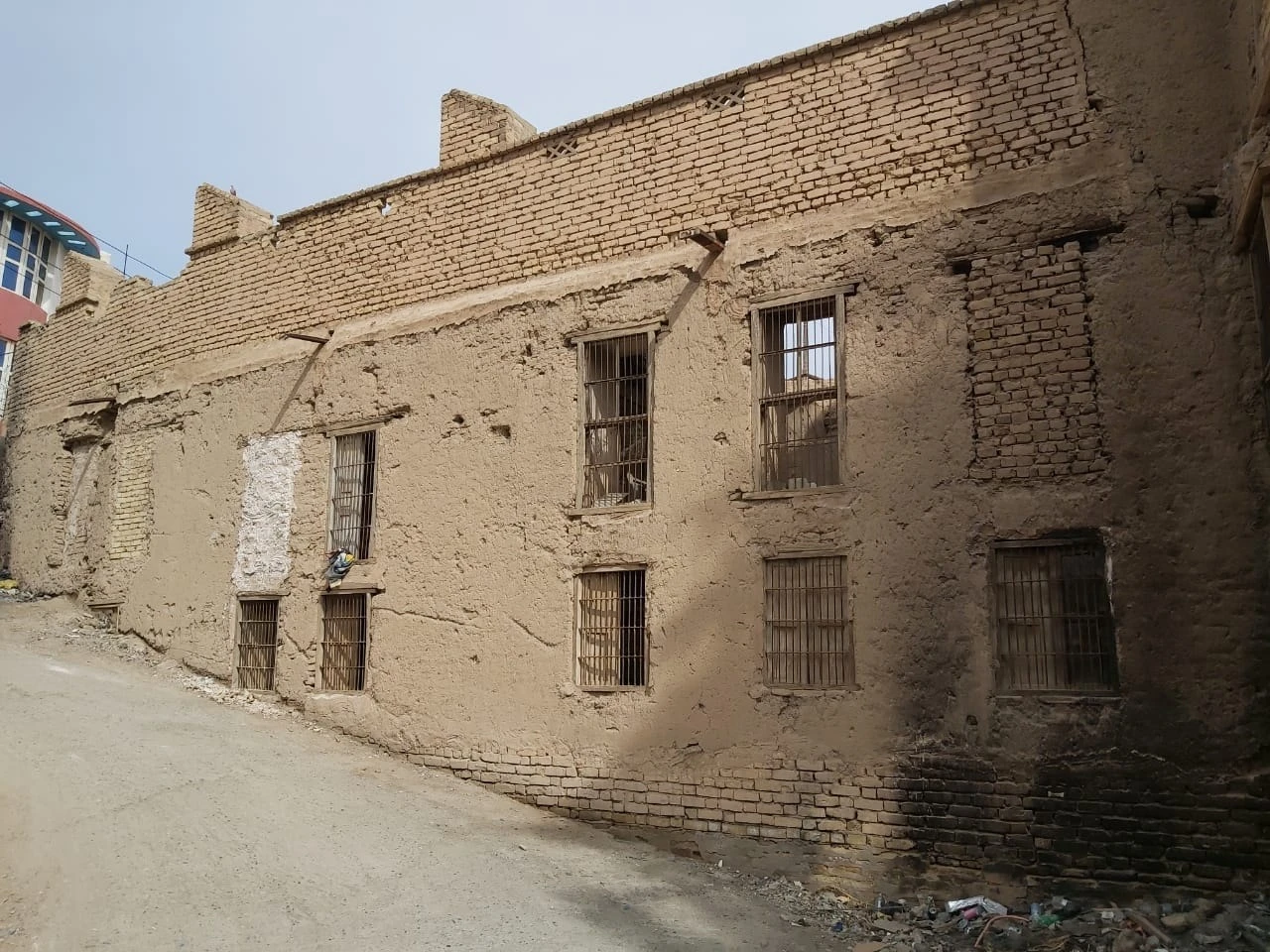
Najaf itself retains a significant collection of historic residential architecture. In Al-Mishkhab, between 30 and 35 historic mansions are associated with the Sayyid Noor family, some dating to around 1890 and displaying Ottoman and Indian architectural influences. Several of the properties also played a role as meeting places during Iraq’s 1920 Revolt against British rule.
Read more: Discover Iraq: Najaf, a city of dust and divinity