Kirkuk's ‘Seven Girls’: Legend, history, and a city's memory


Shafaq News- Kirkuk
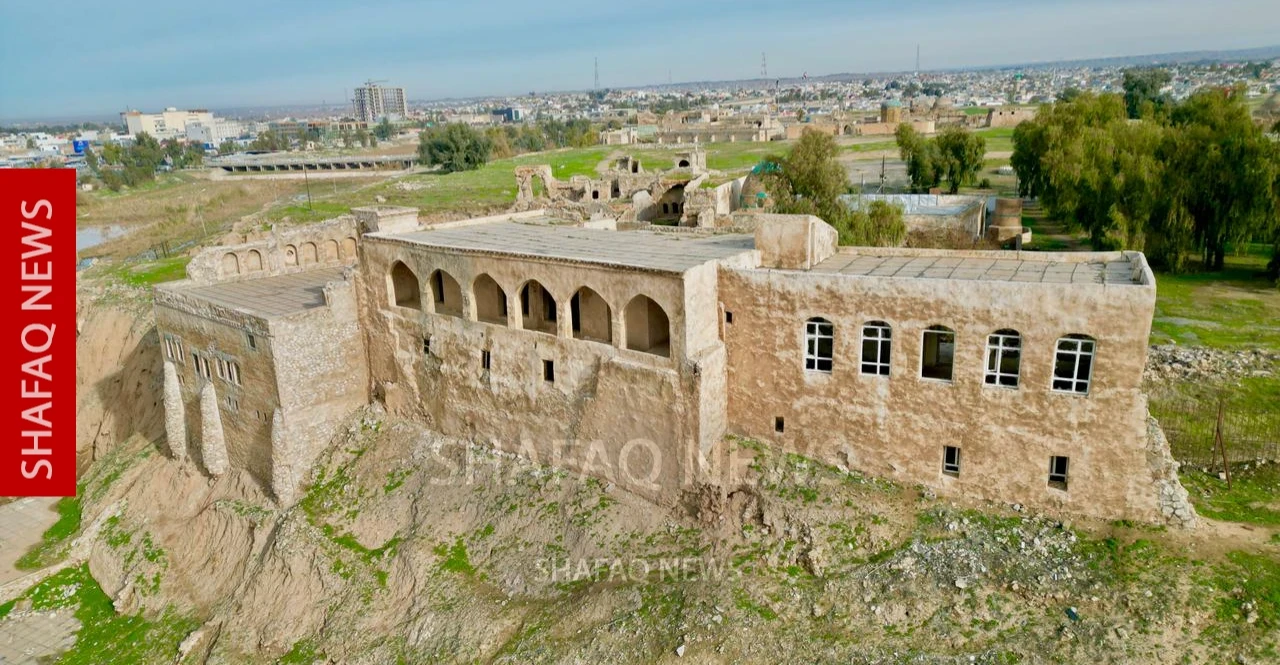
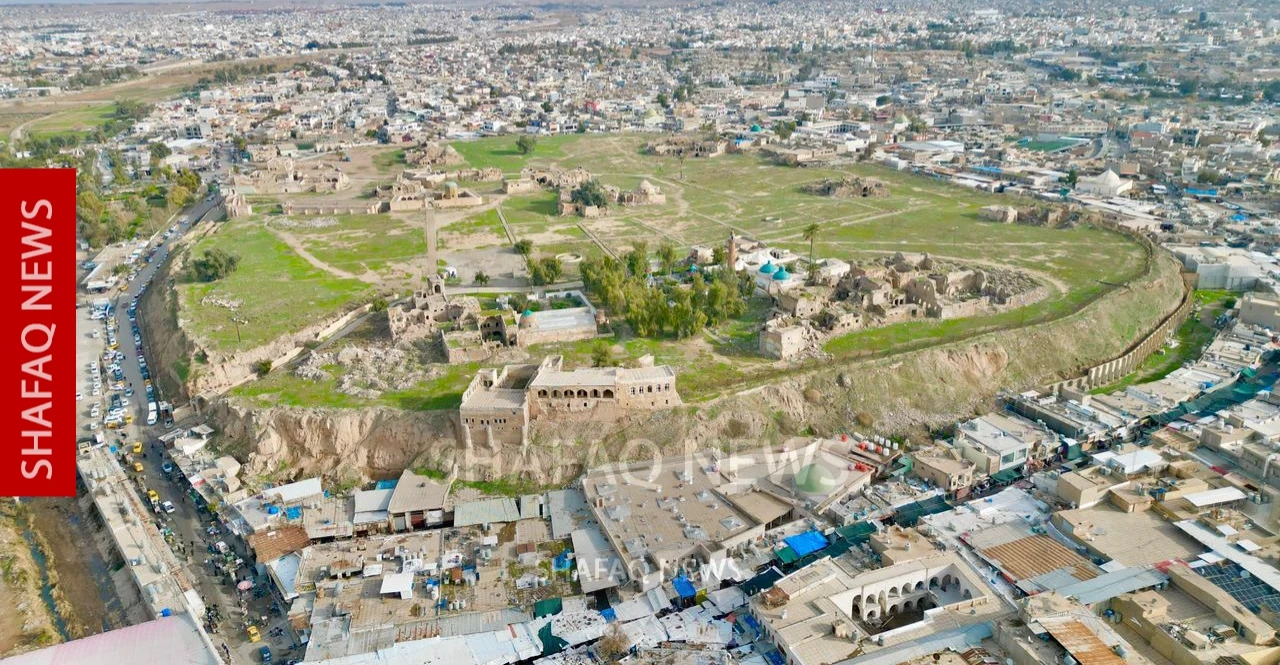
At the edge of Iraq’s Kirkuk province's ancient citadel, where mud-brick walls bear witness to centuries of shifting empires and civilizations, the story of the "Seven Girls" continues to echo through the city's collective memory.
Passed down through generations, the tale remains deeply
rooted in local folklore. Some regard it as a historical event whose details
have faded over time, while others see it as a legend that reflects Kirkuk's
rich oral heritage.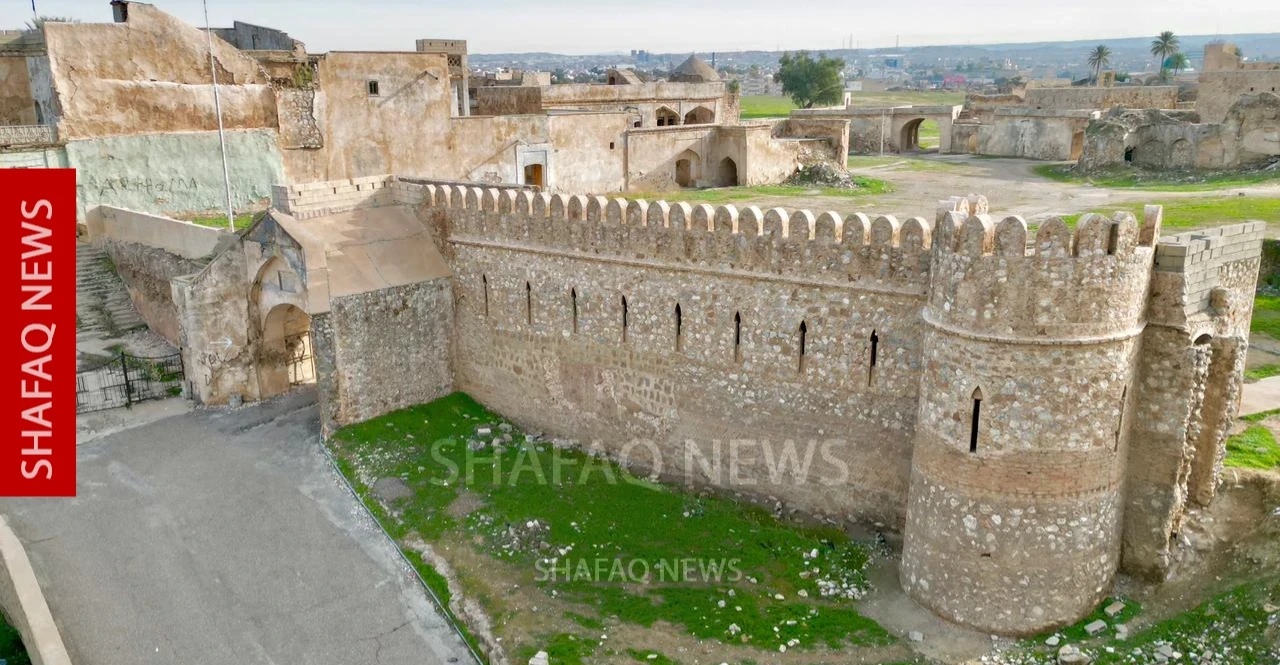
Perched atop an archaeological mound overlooking the city, Kirkuk Citadel is considered one of Iraq's oldest continuously inhabited sites. Its origins date back to the mid-12th century BC, when Assyrian King Ashurnasirpal II built the fortress between 884 and 850 BC as a military stronghold and administrative center.
Within the citadel, one of the eastern gates is known as the "Gate of the Seven Girls," a name that has become a powerful symbol where history and folklore intersect. According to popular accounts, the story dates back to one of the sieges that struck the citadel centuries ago. Faced with capture, seven young women are said to have thrown themselves from the fortress walls rather than surrender, transforming their memory into a symbol of sacrifice and courage.
Despite its enduring popularity, historians and heritage
specialists caution that there is no conclusive evidence to verify the story of
the Seven Girls as a historical event.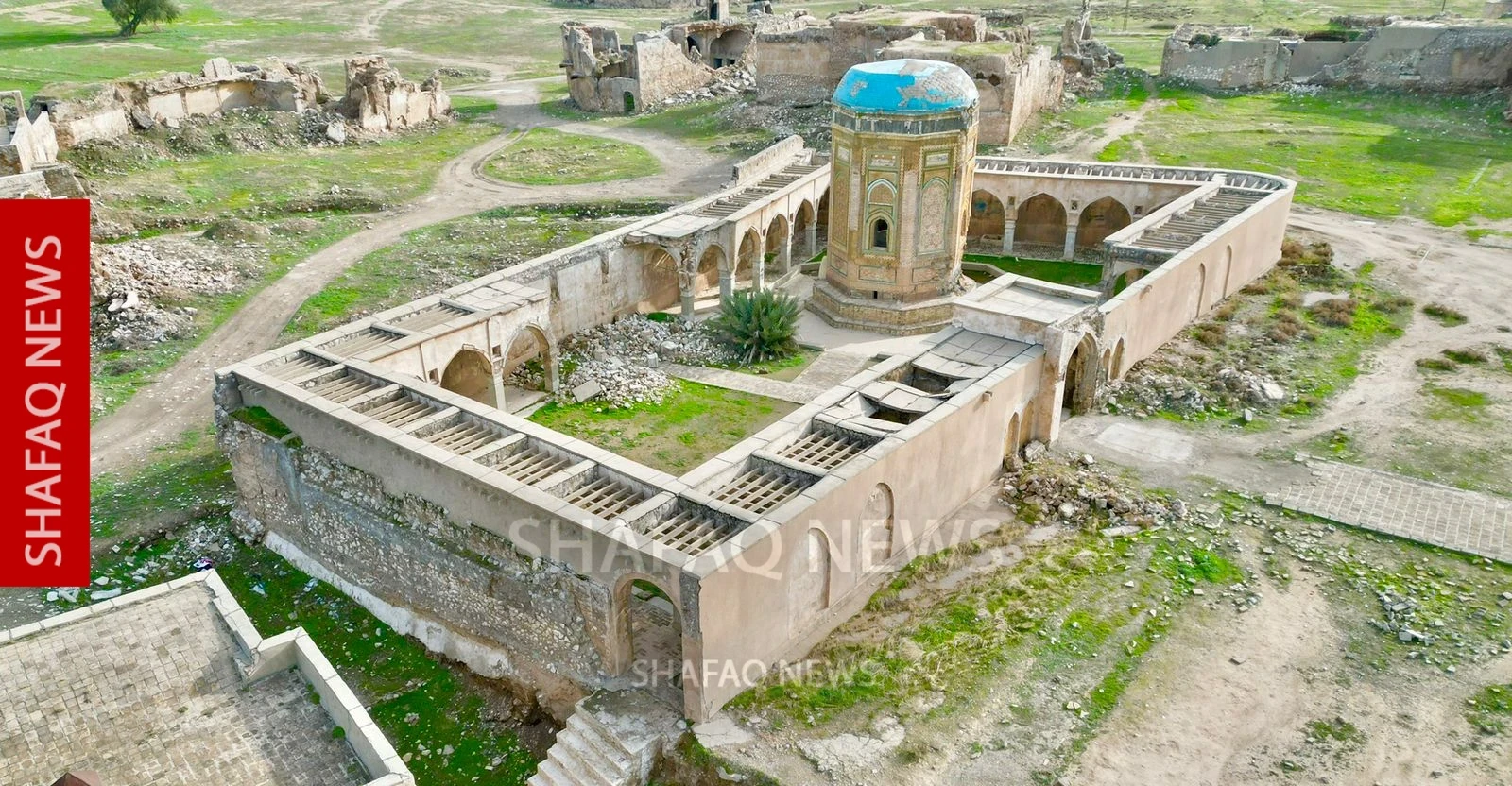
Raed Atla al-Obeidi, director of Kirkuk's Antiquities and Heritage Department, told Shafaq News that Kirkuk Citadel is among Iraq's most significant archaeological sites and that several of its gates, including the Gate of the Seven Girls, bear names rooted in local tradition rather than documented history. He noted that centuries of architectural changes and urban development have erased many original details, making it difficult to separate historical fact from inherited narratives.
Academic researcher Abdul Karim Khalifa said the story fits
a broader pattern of legends that often emerge around ancient cities with long
and complex histories. The absence of documentary sources, he explained, makes
it difficult to establish the account as a verified historical event.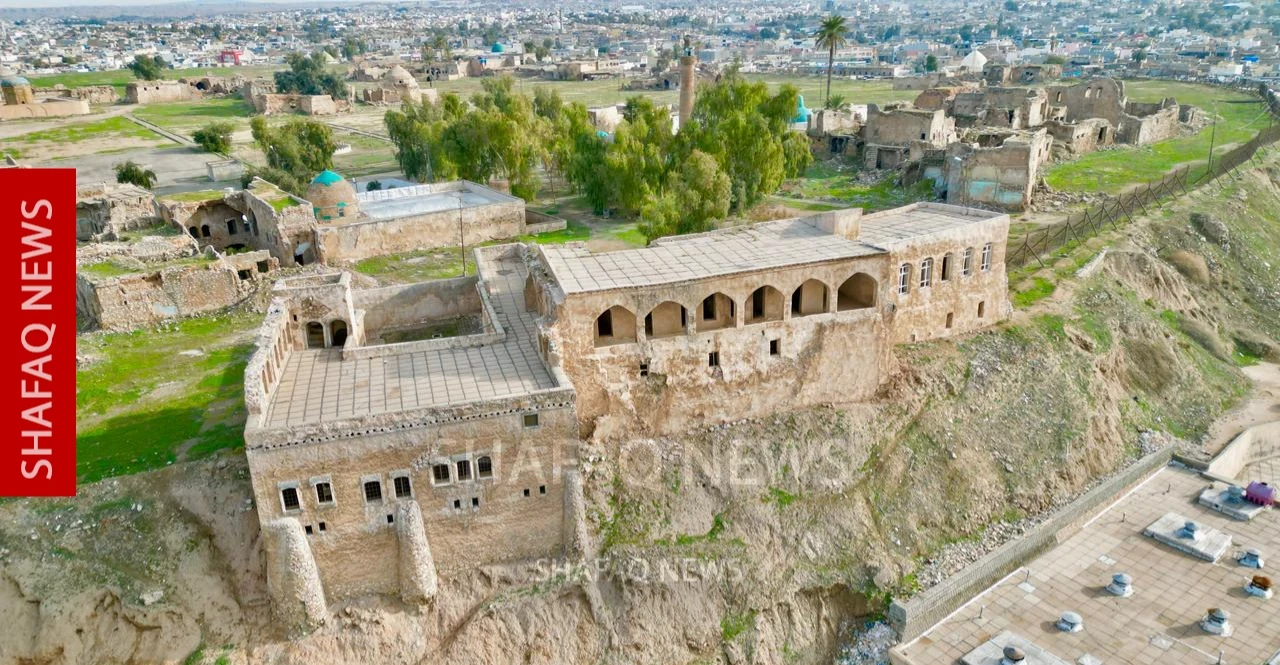
Heritage researcher Tawfiq al-Attar added that the tale has become an integral part of Kirkuk's collective memory regardless of its historical accuracy. He noted that the city's oral history relies heavily on intergenerational storytelling rather than written records, helping preserve the story and other local narratives over time.
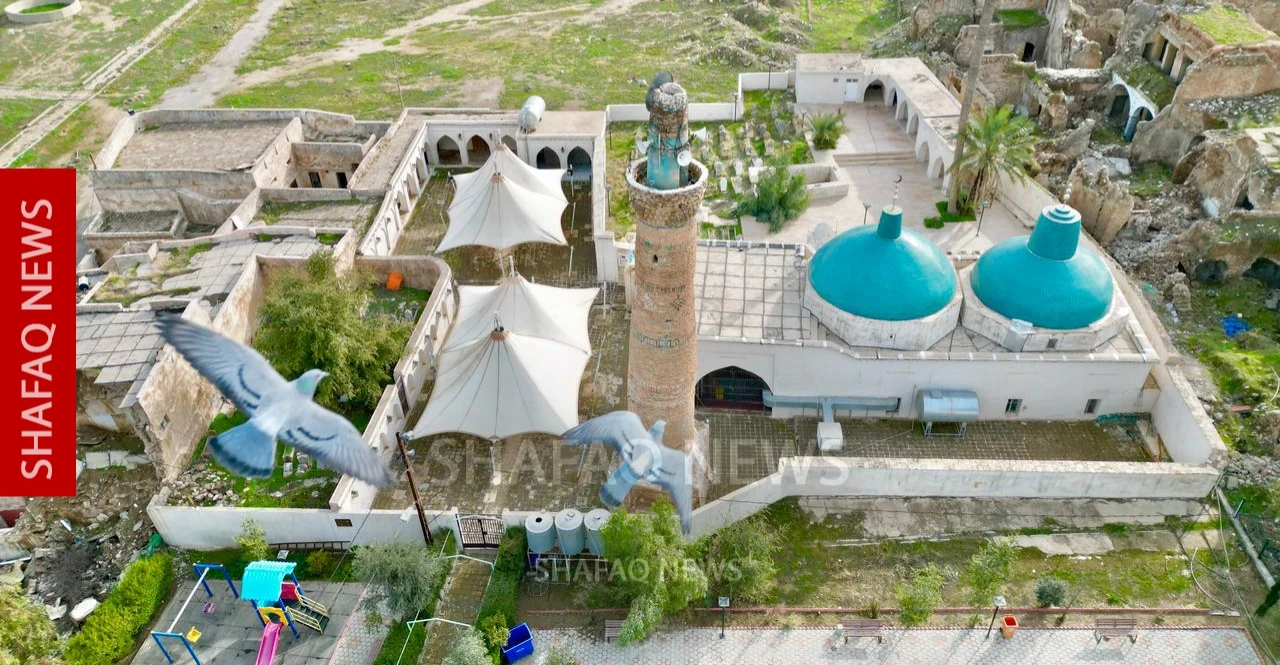
In recent years, authorities have launched restoration projects aimed at preserving the citadel's historical character. Specialists say the site's significance extends beyond its architecture. The citadel serves as a living archive of Kirkuk's history, where documented events and popular narratives intertwine to form a layered portrait of the city across the centuries.
Read more: Discover Iraq: Kirkuk, a city of oil, culture, and conflict