Iraq's used car market: Fraud, manipulation, and fading buyer confidence


Shafaq News- Baghdad (Updated at 21:00)
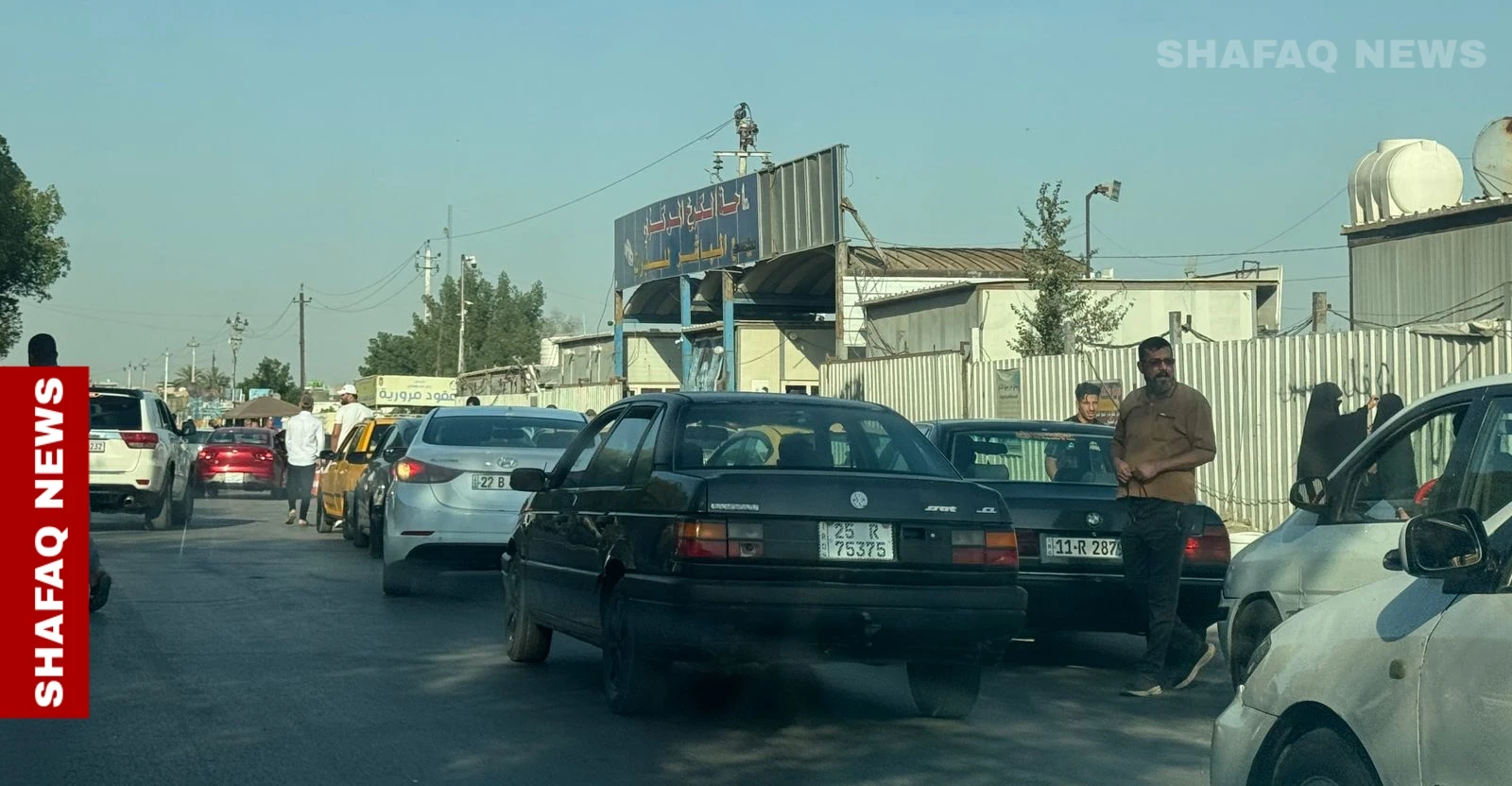
Fraud has become systemic in Iraq's used car market, with buyers reporting repeated deception through manipulated vehicles, falsified mileage readings, and coordinated concealment of defects, eroding confidence in a sector that has grown as rising new car prices push more Iraqis toward second-hand purchases.
The methods are varied and increasingly sophisticated. Online listings routinely feature edited images that conceal damage, while some sellers coordinate with inspection workshops to hide major mechanical faults and alter vehicle specifications before sale, making refunds difficult once problems surface.
Abdul Zahra Ali, a Baghdad car buyer, told Shafaq News that he had been deceived across three separate purchases despite enlisting experienced companions to inspect each vehicle. He has since switched to a new Chinese-made car. "I decided it was safer."
Kamel Abdullah, a dealer operating in Baghdad, said persuasive language and misleading descriptions have become standard sales tools, and that fraud now reaches even experienced buyers. Competing dealers, he added, use fake online accounts to drive down rivals' listed prices or amplify alleged defects, a practice conducted through coded language that describes repaired bodywork as cosmetic enhancements.
Mechanical concealment is equally common. Running the engine and air conditioning simultaneously for at least ten minutes before purchase can reveal serious faults, according to Hamza Fadhil, a mechanic, who noted that heavy smoke during operation is a reliable indicator of engine damage.
“Repainting is frequently used to disguise collision repairs; rough edges inside the hood or door frames often betray a color change from the vehicle's original state.”
A showroom owner in Baghdad told our agency that wear patterns on the steering wheel, brake pedal, and gear components frequently contradict the mileage displayed, a discrepancy that buyers can detect through careful inspection before any purchase is agreed.
The General Traffic Directorate distanced itself from responsibility, stating its mandate is limited to verifying registration, checking stolen vehicle records, and logging buyer and seller information.
“Mechanical condition and mileage verification fall outside our remit,” the directorate said, leaving no state body with clear oversight of the transaction itself.
Legal Recourse
Iraqi law does provide a framework, though enforcement remains unclear. Article 23 of the constitution protects private property, meaning fraud in used car transactions constitutes a violation of citizens' financial rights, according to Salwan Alwan, a legal expert.
Alwan outlined the most common legally actionable forms of manipulation: chassis parts cut and reassembled from different vehicles, altered mileage readings, cosmetic upgrades designed to misrepresent a vehicle's grade, and non-refundable deposits taken to lock in partial payment regardless of whether a sale is completed.
No investigation or regulatory action has been announced by Iraqi authorities at the time of publication.