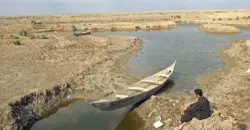
Iraq lost 70% of its livestock amid drought, parliament committee says


Shafaq News – Baghdad
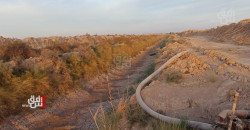
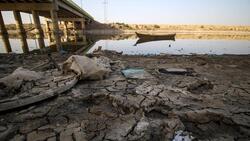
Iraq is undergoing one of its most severe crises in agriculture and water resources, the parliamentary Agriculture, Water, and Marshes Committee warned on Wednesday, citing unprecedented drought conditions that threaten to collapse the current farming season.
Committee member Ibtisam al-Hilali told Shafaq News that the country “will enter a critical phase, both agriculturally and hydrologically, if sufficient water releases are not secured this year,” noting that the government has yet to announce its agricultural plan for the season. “Even if announced, it will likely include major cuts in cultivated areas,” she added.
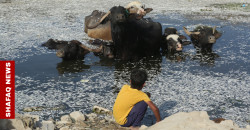
Al-Hilali cautioned that the amber rice crop — a symbol of Iraqi agriculture — will vanish this year due to severe water shortages, describing the 70% decline in livestock, along with major losses in fish production and other agricultural sectors, as the greatest setback.
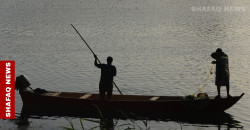
“The marshes have almost completely dried up as water levels continue to drop, leading to the death of large numbers of birds and animals that depend on the wetlands for survival,” she said, stressing that the crisis poses a serious threat to Iraq’s food and environmental security.
The lawmaker called for urgent government measures and genuine regional cooperation to secure Iraq’s water shares from upstream countries and to support efforts aimed at reviving agriculture and the environment.
Read more: Drop by drop: Can Iraq avert a thirsty future?
According to United Nations reports, Iraq ranks among the five countries most vulnerable to climate change. The World Bank warned in late 2022 that Iraq faces an urgent climate challenge and urged a shift toward a greener, low-carbon development model.
In early 2025, Iraq’s Strategic Center for Human Rights reported that the country had lost around 30% of its productive farmland over the past three decades due to climate change — a trend that directly threatens food security and sustainable development.
The water crisis has worsened over the past four years, with the Tigris and Euphrates rivers hitting record-low levels, as the General Directorate of Dams and Reservoirs noted a sharp decline in water inflows caused by reduced rainfall and snowfall in upstream regions.
Iraq loses about 100,000 dunams (100 million square meters) of land each year to desertification, and the ongoing water shortage has halved the country’s arable land, according to official data.
The UN Food and Agriculture Organization (FAO) estimates that forested areas now cover only 8,250 square kilometers — about 2% of Iraq’s total land area.
Read more: From drought to saltwater: Iraq's deepening water crisis