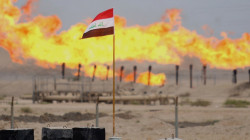
Basra tops global heat charts as Iraq faces peak summer temperatures


Shafaq News – Basra (updated 16:07)
Iraq is entering the most intense phase of summer this August, with temperatures surging to unprecedented levels and atmospheric patterns shifting across the country, according to the Meteorological Authority.
In its Friday report, the Authority confirmed that Iraq is approaching its seasonal peak, marked by extreme surface heating and dominant dry air masses. Southern and central provinces are expected to record highs exceeding 50°C, fueled by a persistent low-pressure system.
Data from global weather stations placed Basra at the top of the world’s hottest locations in the past 24 hours. Basra International Airport registered 50.5°C, surpassing several Gulf and Iranian cities. Iran’s Ahvaz ranked second at 50.3°C, followed by Kuwait International Airport at 50°C. Seven Iraqi locations, including Basra–Al-Hussein, Fao, Amara, Badra, and Ali al-Gharbi, also appeared in the global top 15 with readings between 49.5°C and 48.1°C.
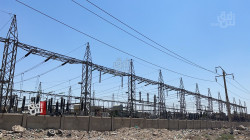
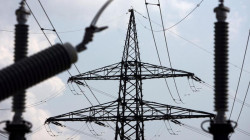
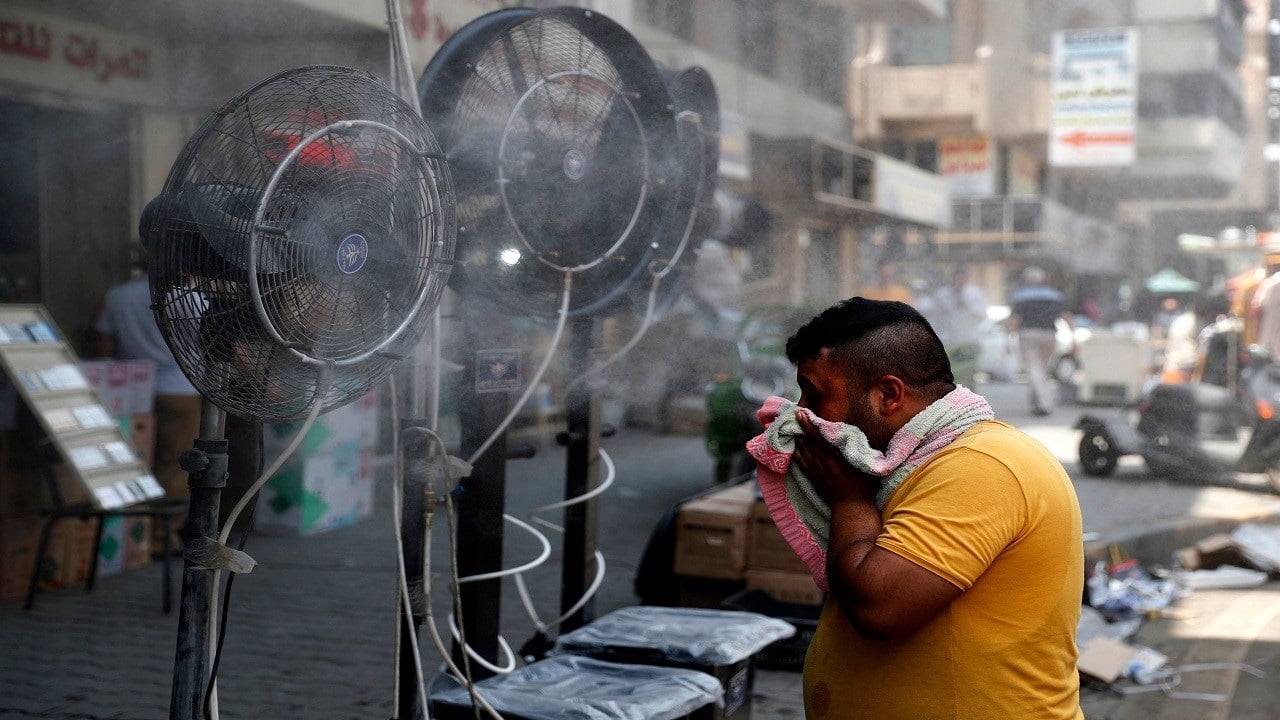
This extreme heat wave has raised concerns over public health and strained power and water services, particularly in southern Iraq, which routinely tops global temperature charts each summer.
The Meteorological Authority noted that while August typically brings stable conditions, limited atmospheric disturbances can occur. These may arise from cold upper-air currents moving in from the Levant or Turkiye or from enhanced southeastern monsoon activity over the Gulf, which increases mid- and upper-level humidity.
Such patterns could trigger localized cumulus cloud formation in the north and center, sometimes producing light to moderate rain or isolated thunderstorms over elevated terrain.
Early August is also expected to bring strong northwesterly winds, particularly in southern provinces and western deserts, leading to dust storms and reduced visibility. By mid-August, winds are likely to weaken, allowing short periods of high humidity, especially in southern regions.
Despite a gradual reduction in daylight hours as the autumnal equinox approaches, intense solar radiation will continue to sustain high surface temperatures. By late August, signs of seasonal transition may emerge, including slight drops in surface pressure or shifts in the upper jet stream, signaling the approach of fall.
The Authority warned that while temperatures in early August should align with seasonal norms, a severe heatwave remains possible. Later in the month, changing wind patterns may increase humidity in central and southern Iraq, while the north and east could see cloud buildup and occasional thunderstorms.