Energy-sector protests demand fair tariffs, permanent jobs across Iraq


Shafaq News- Basra/ Al-Anbar/ Kirkuk
Energy-sector workers and private generator owners protested in three Iraqi provinces, challenging higher electricity tariffs, seeking permanent jobs and demanding funding for their appointments in the 2027 federal budget, Shafaq News learned on Tuesday.
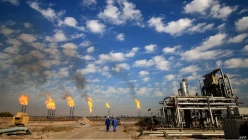
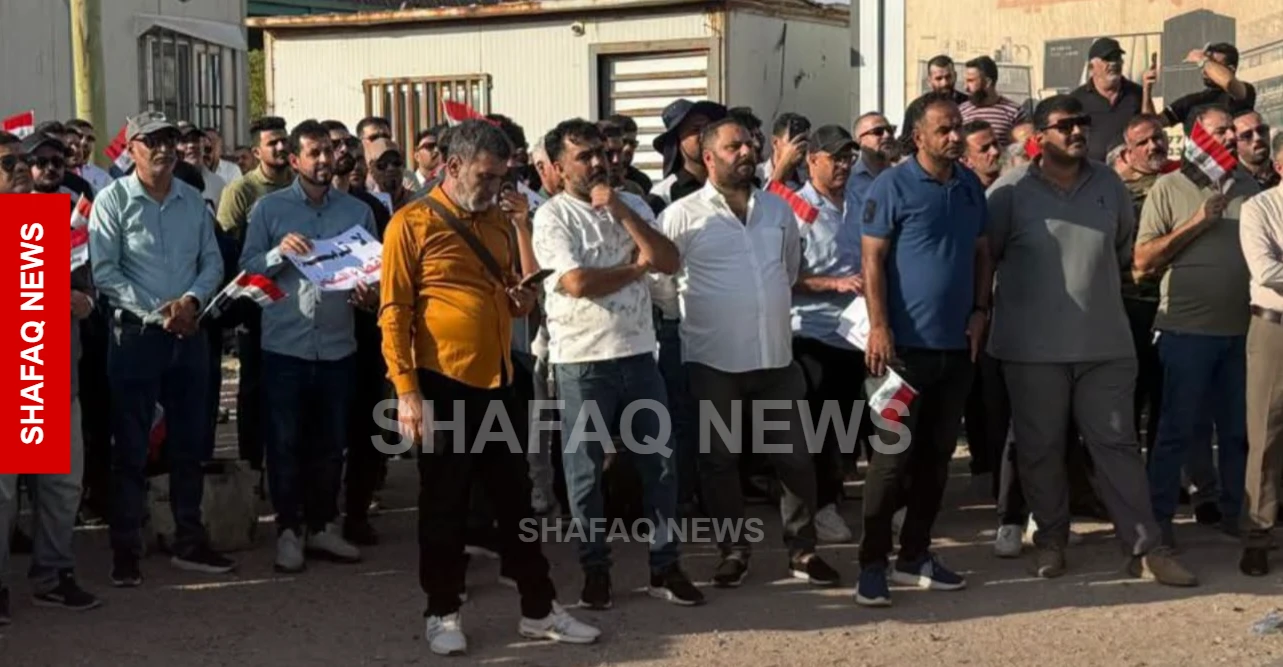
In Basra, workers staged protests and sit-ins at the Shuaiba refinery over a government decision to raise the price of crude oil supplied to state-owned and investment refineries. They called for the decision to be reversed, warning that higher crude costs could raise operating expenses and hurt the profitability of oil-sector companies.
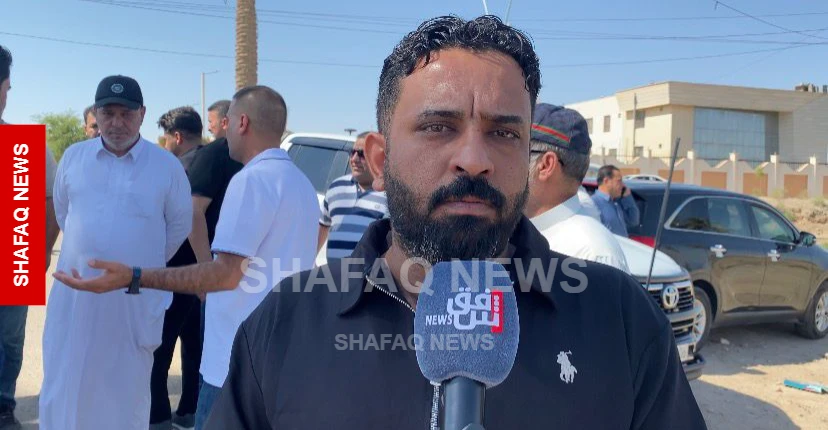
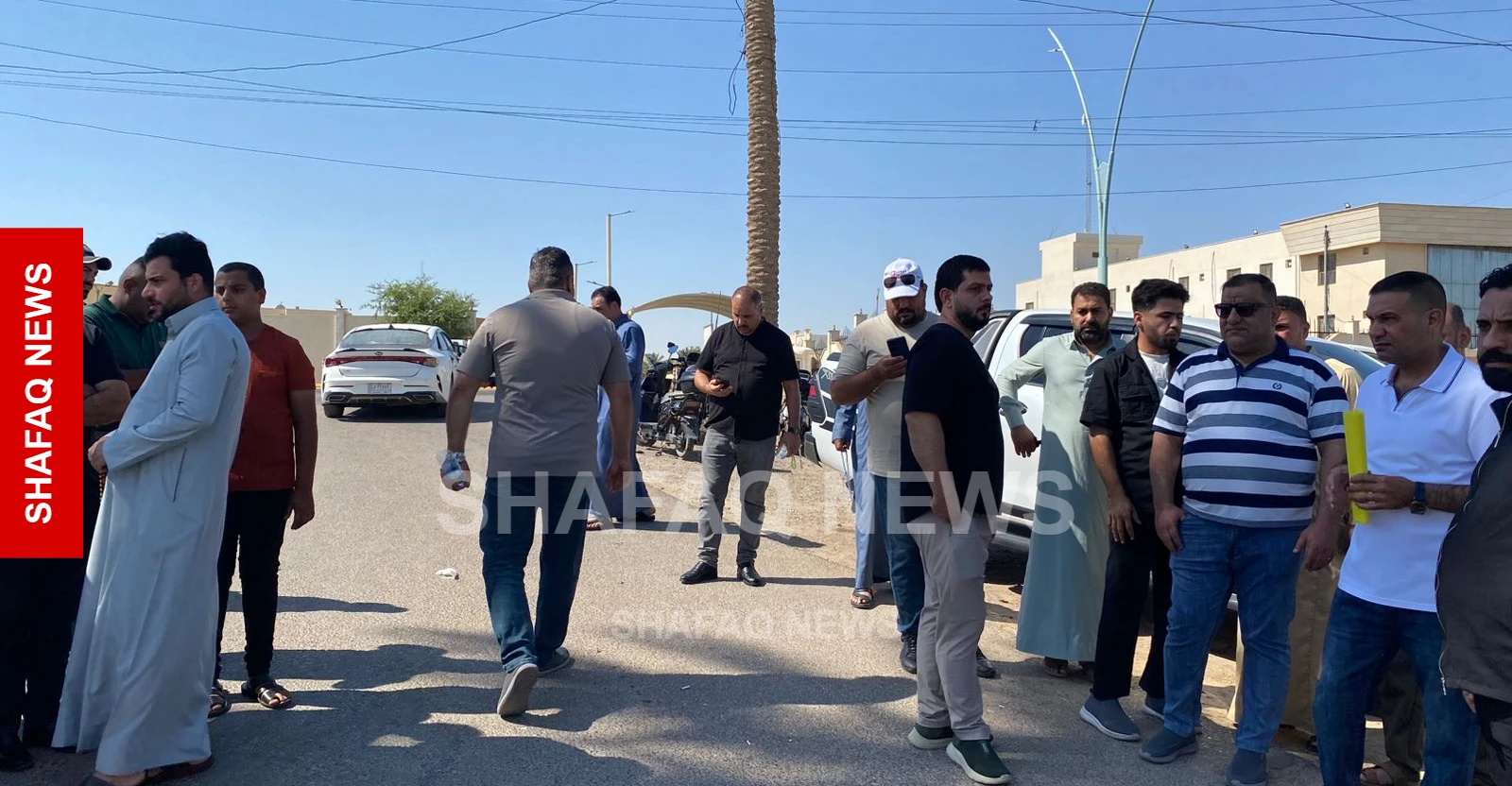
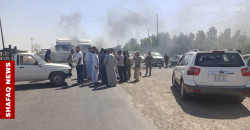
In Al-Anbar, private generator owners protested outside the Provincial Council headquarters over electricity tariffs they argue fall short of their operating costs.
Generator owner Alaa Sadiq Khalaf told Shafaq News that his generator operated for about 280 hours in August, while operators received 35 Iraqi dinars ($0.027) per ampere.
A committee calculated the cost of one hour of operation at about 42 dinars ($0.032) per ampere, excluding profit, Khalaf said. Approved rates, however, range from 26 dinars ($0.020) to 33 dinars ($0.025) and 37 dinars ($0.028).
"Generator owners are also citizens," Khalaf added, calling for tariffs that reflect actual operating costs and warning that current rates are putting operators under growing financial pressure.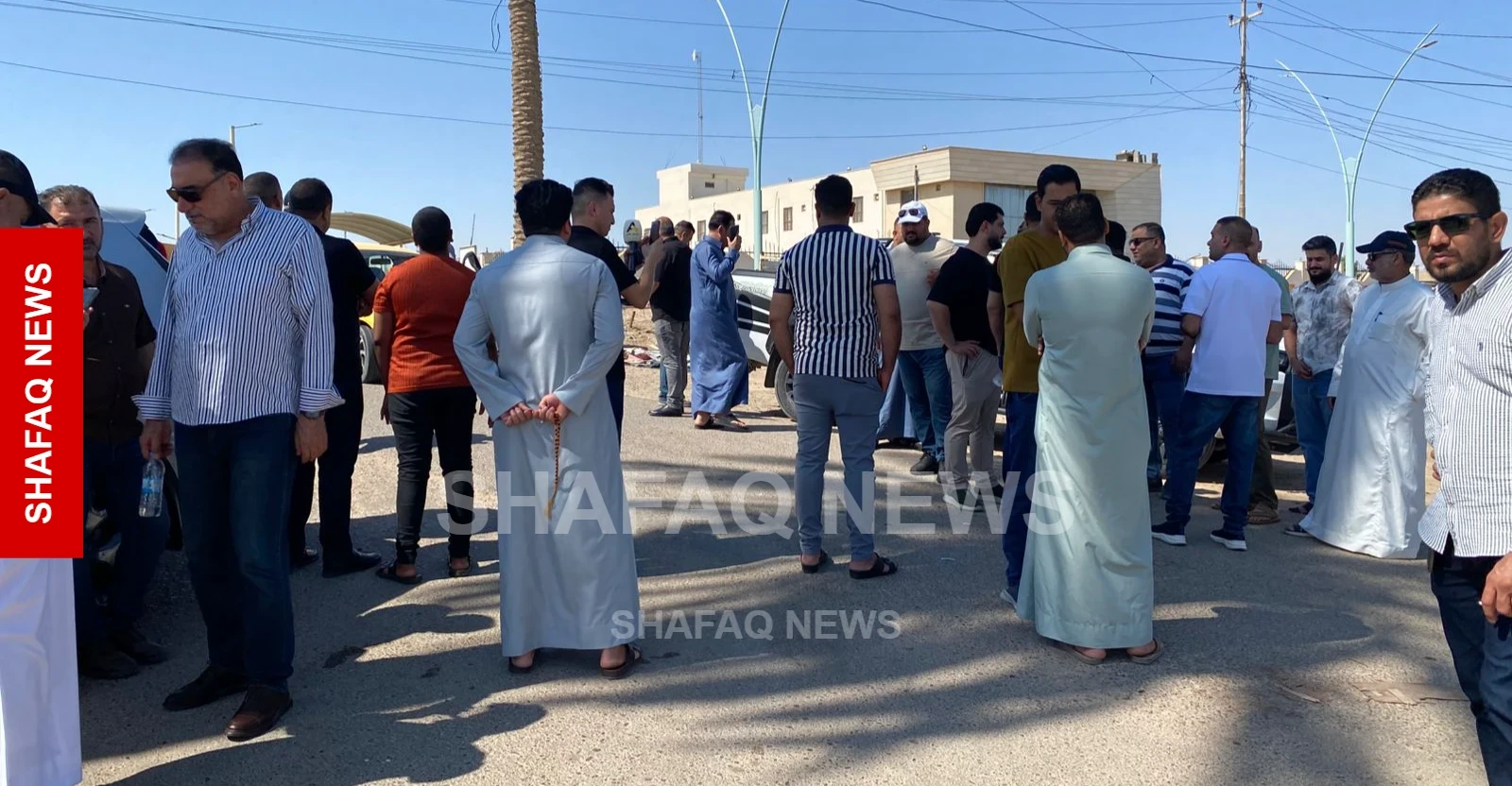
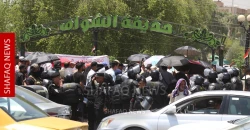
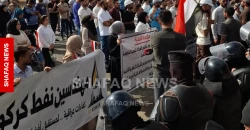
In Kirkuk, meanwhile, dozens of workers from the Kirkuk refinery protested outside the Provincial Council headquarters, seeking reinstatement after losing their jobs.
Mohammed Abdullah Dali, one of the protesters, noted that 610 workers affiliated with North Refineries Company in Baiji had lost their jobs after years of service at the refinery.
The workers are seeking reinstatement or another solution to their employment status, with their main demand being inclusion in Iraq's 2027 budget. They described the protest as peaceful, urging the government, the Oil Ministry, North Refineries Company and other relevant authorities to review their cases and find a legal and administrative solution.
Read more: As protests multiply, Iraqis ask whether the street still moves the state