Baghdad's artistic heritage finds home in new museum


Shafaq News- Baghdad
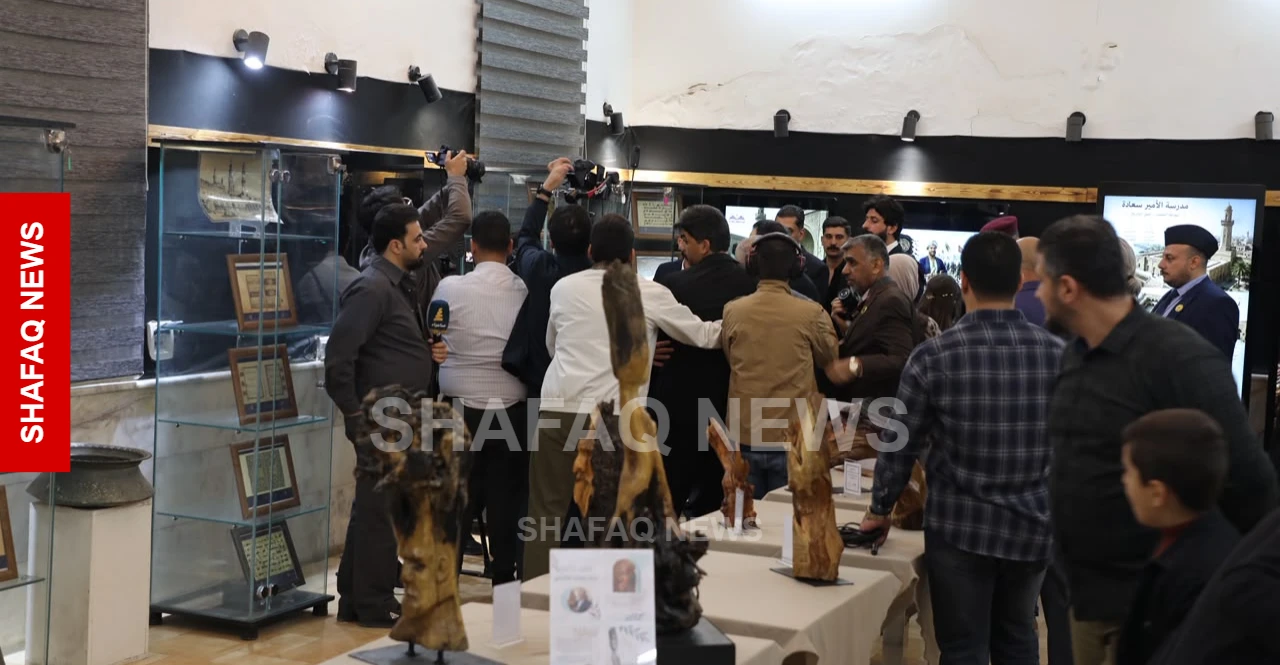
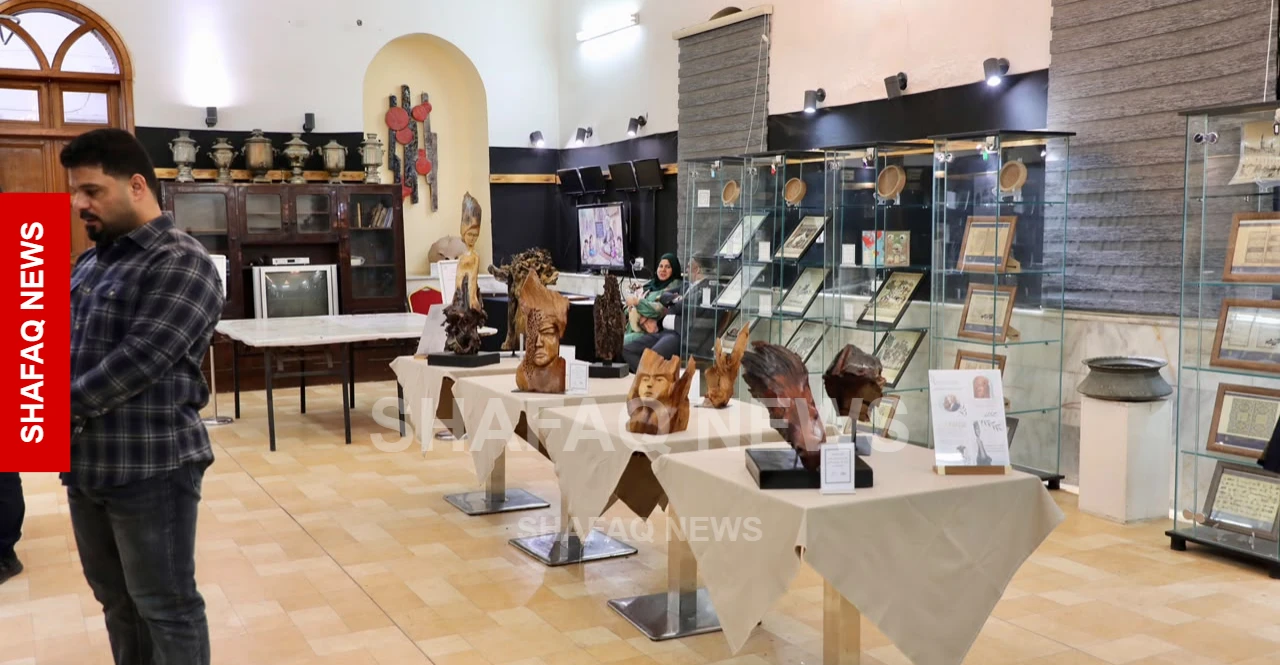
A new museum celebrating Baghdad’s rich history and cultural heritage has opened on Al-Mutanabbi Street, bringing together paintings and sculptures inspired by the Iraqi capital’s historic landmarks, intellectual legacy and influential figures.
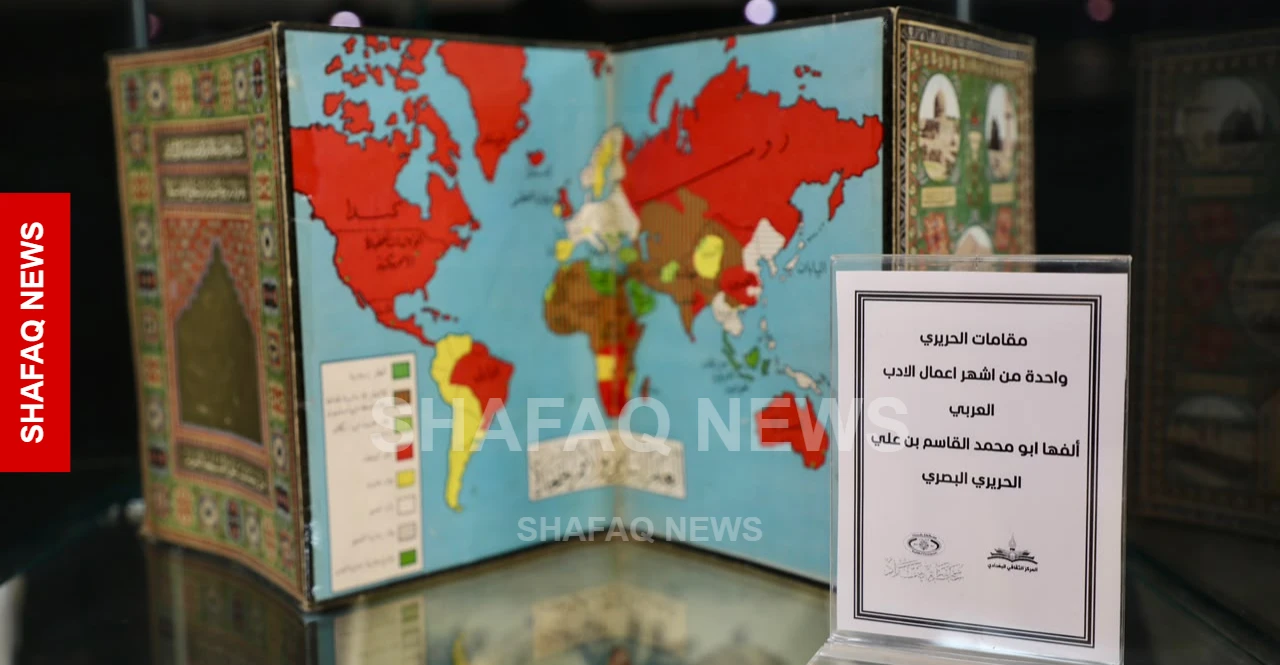
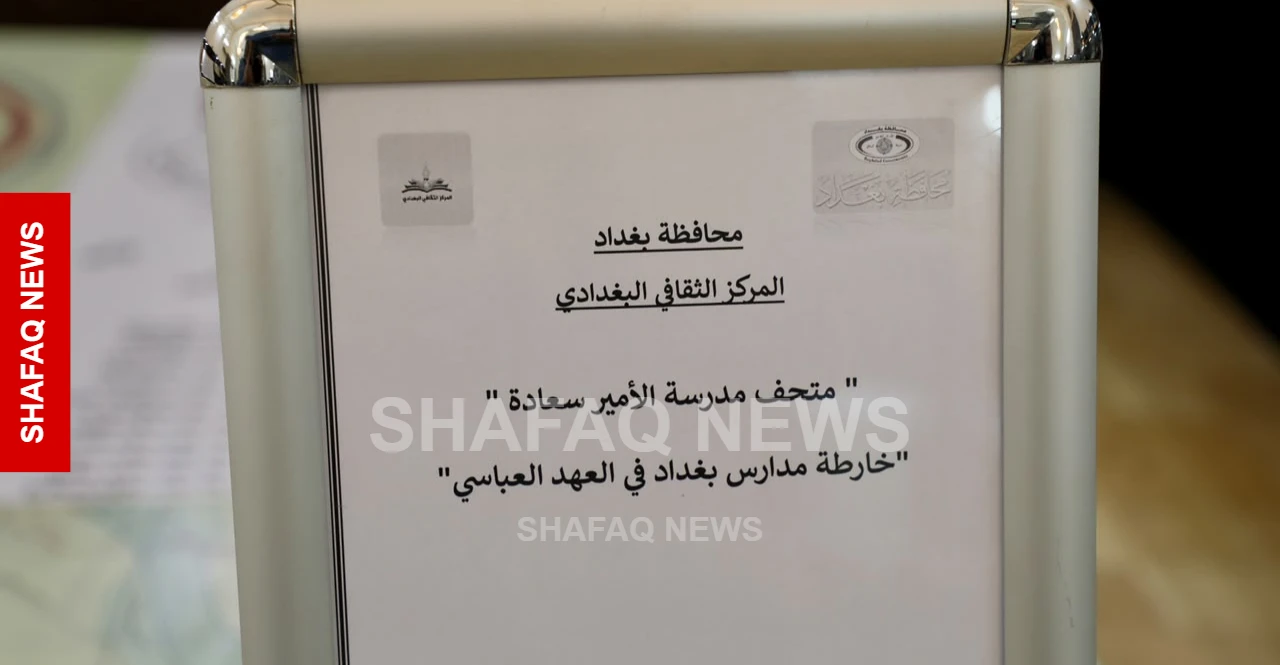
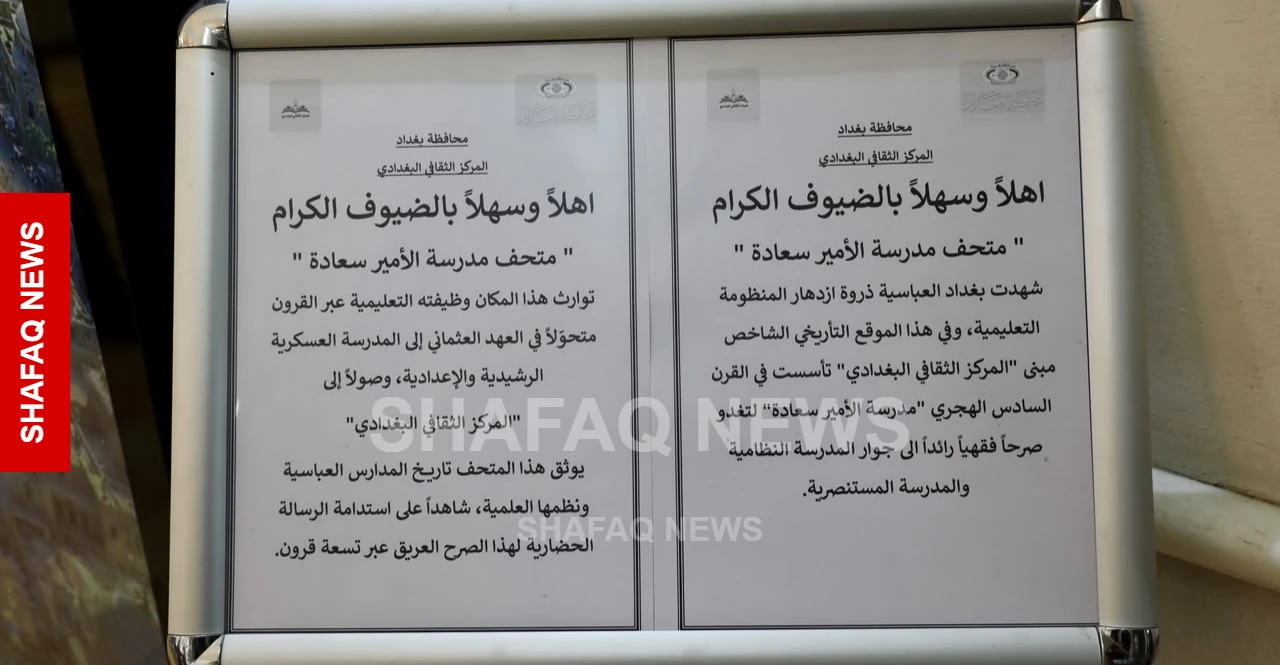
The Prince Saada Museum, located inside the Baghdad Cultural Center, features artworks reflecting the city’s intellectual life during the Abbasid era, when Baghdad emerged as a major center of science and learning. It is housed in the hall dedicated to the late Iraqi sculptor Mohammed Ghani Hikmat.
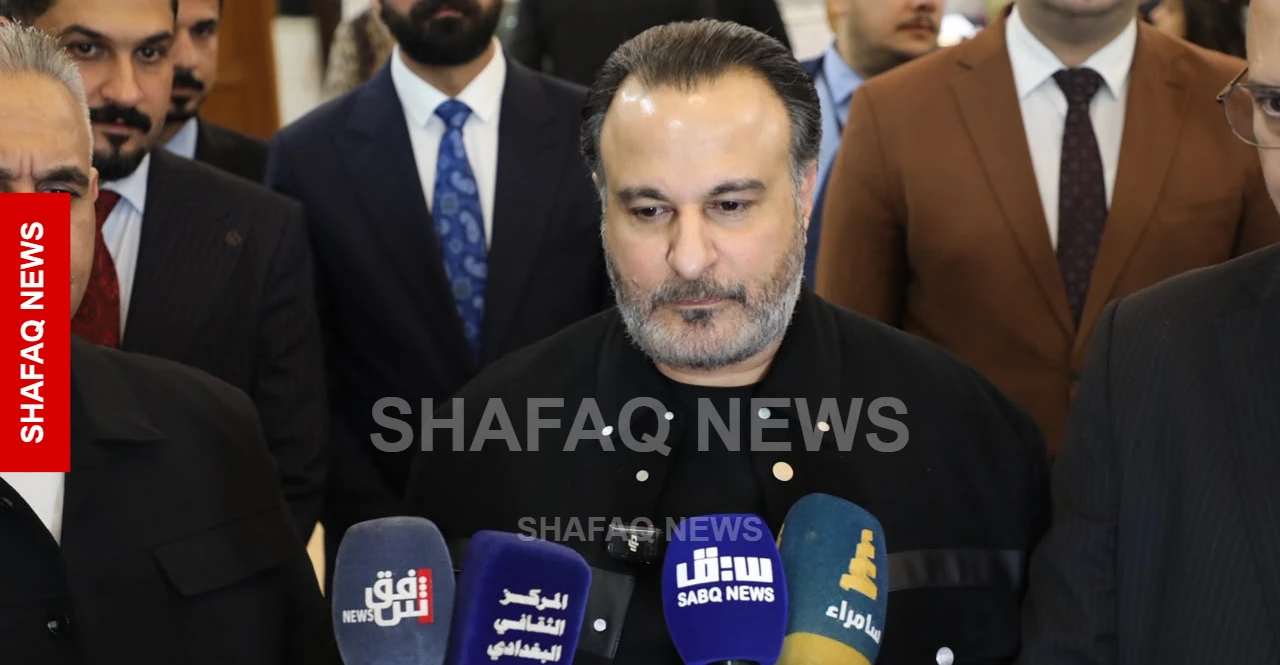
Baghdad Provincial Council Chairman Ammar al-Hamdani told Shafaq News that introducing younger generations to Iraq’s cultural heritage means “keeping alive the memory of figures who helped shape its history,” including artist Jawad Saleem, creator of the Freedom Monument in Tahrir Square, and poet Mohammed Mahdi al-Jawahiri.
He also pointed to the importance of familiarizing young people with Baghdad’s historic landmarks, including the Qishla Clock, which he described as one of the capital’s defining symbols and compared to London’s Big Ben.
Al-Hamdani added that the Baghdad local government plans to
allocate funds to support cultural centers and open new ones in the al-Karkh
and al-Rusafa districts.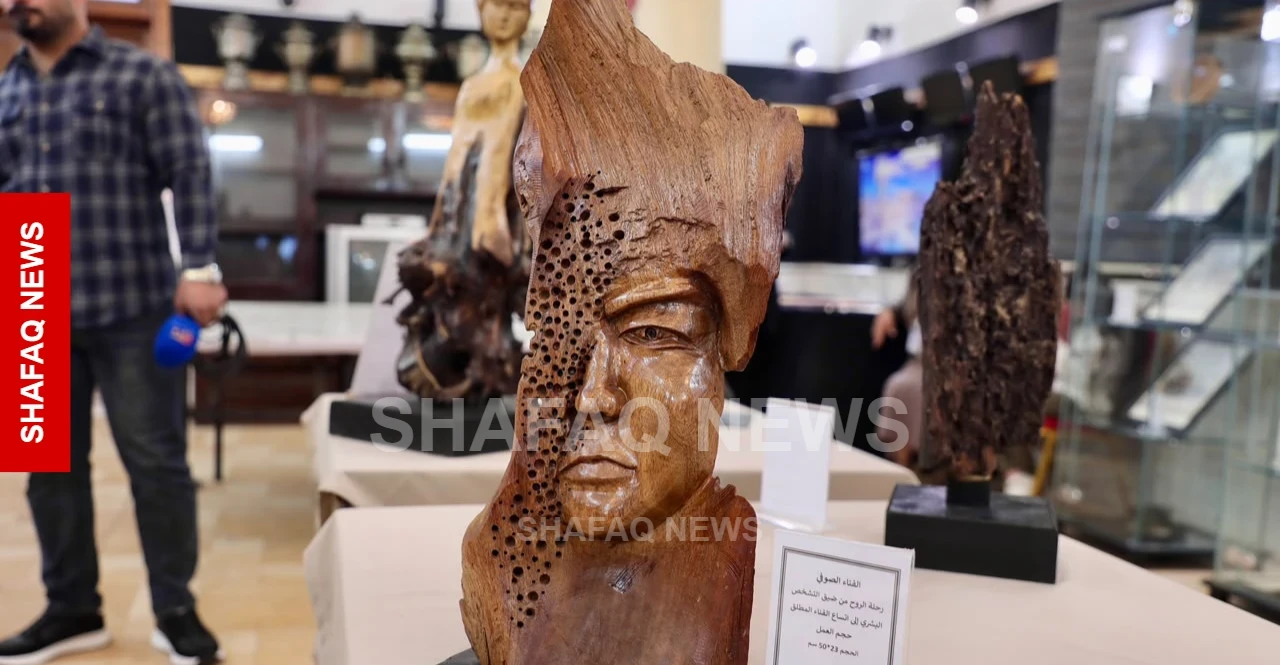
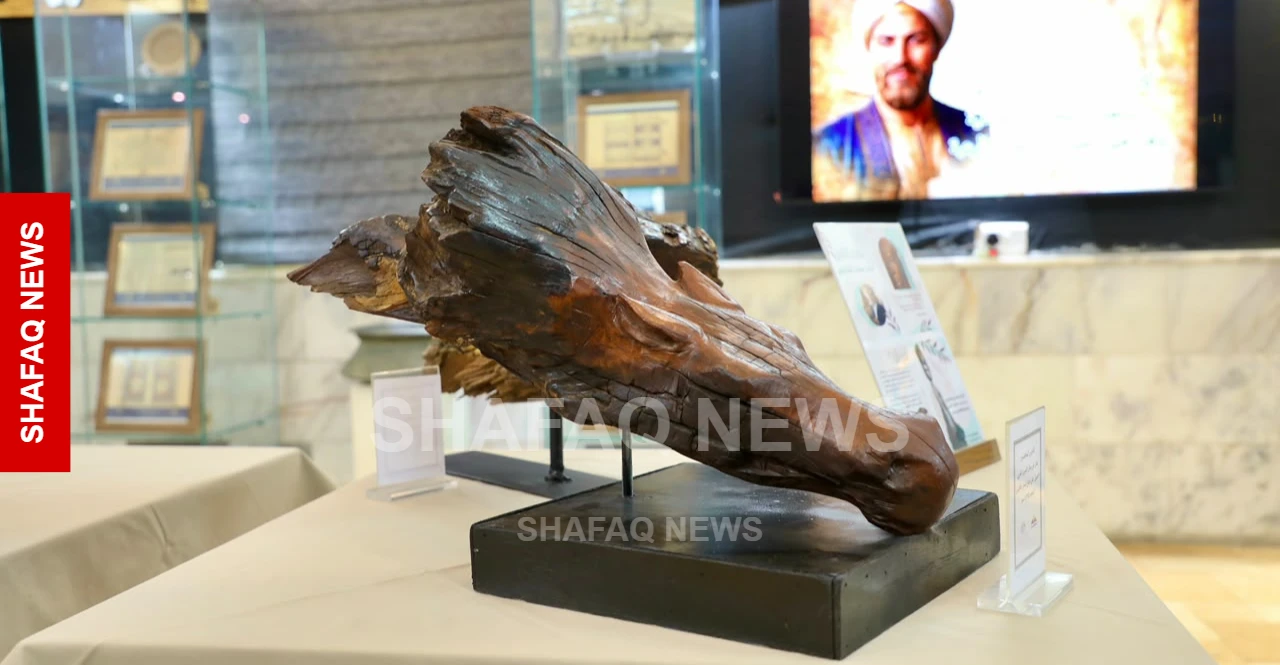
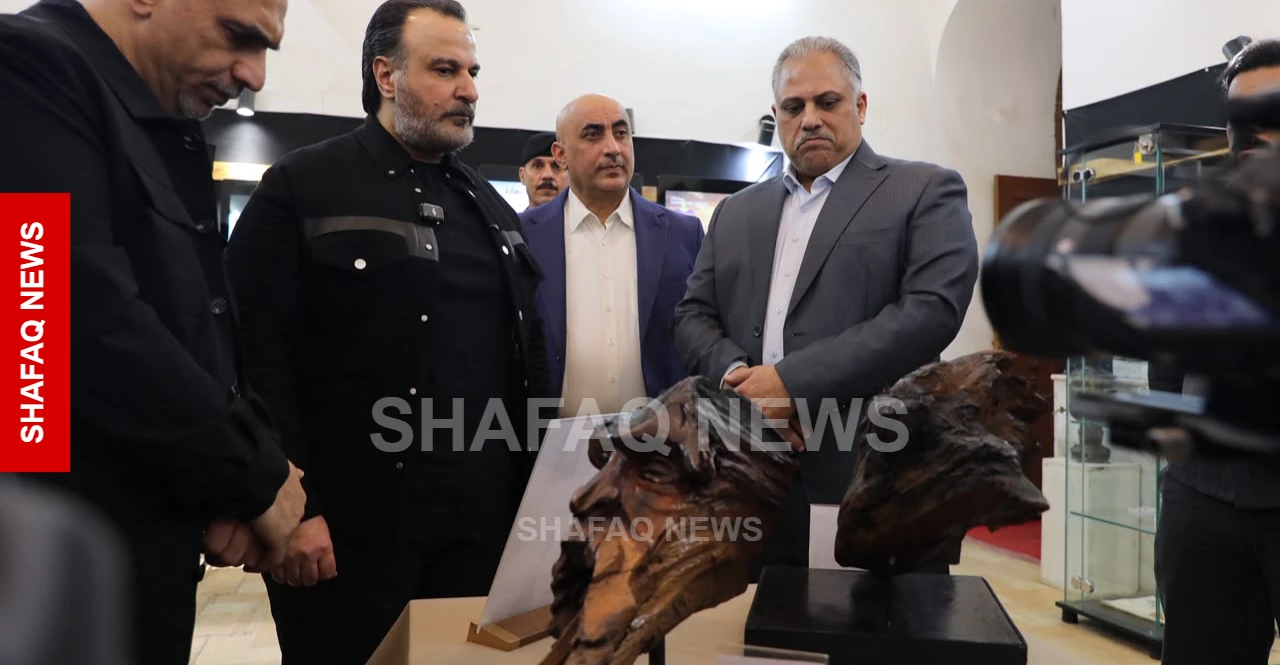
Among the artists featured in the museum is Ali Kani, who contributed eight sculptures inspired by Baghdad’s history, heritage and landmarks. He explained that his work follows an interpretive approach, allowing visitors to draw their own meanings and engage with the sculptures.
Most of the pieces were carved from natural wood, particularly tree trunks and roots. Kani retained the wood’s original textures and natural features, making them an integral part of each sculpture’s character and appearance.
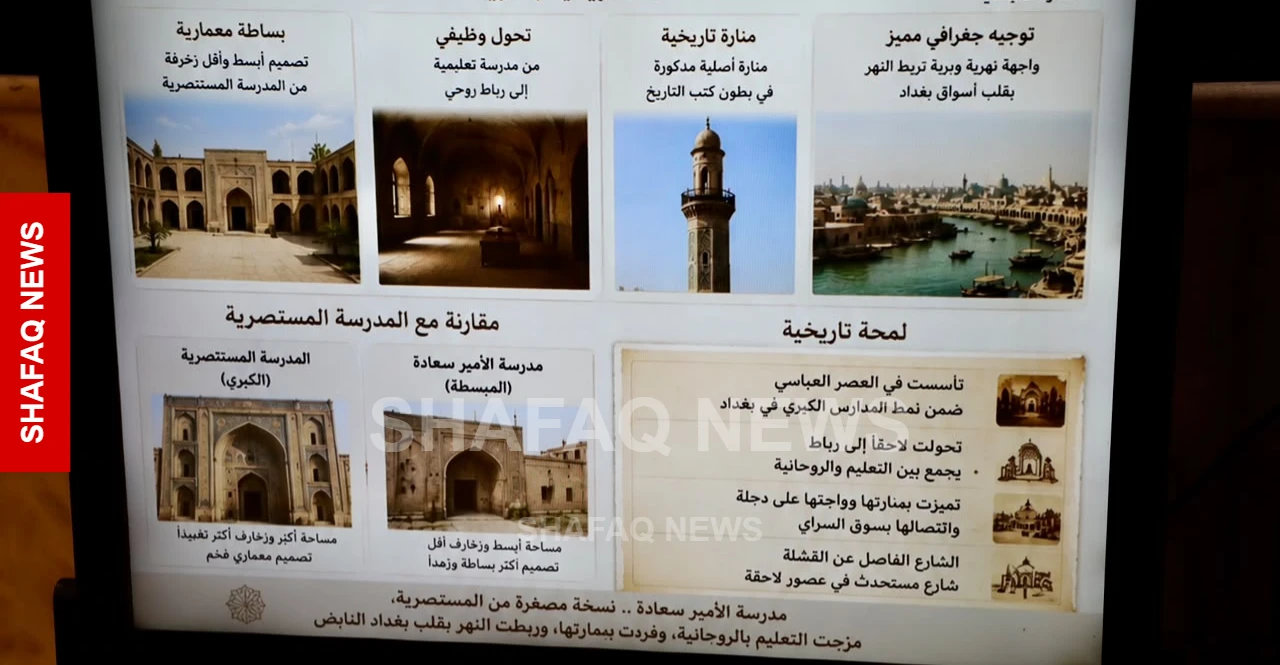
The museum takes its name from Prince Izz al-Din Abu al-Hasan Saada bin Abdullah al-Rumi al-Mustazhari, a prominent figure at the Abbasid court during the reign of Caliph al-Mustazhir Billah. He handled official correspondence and diplomatic communications and was also known for his interest in science and literature and his command of several languages.
Historical accounts record that in 495 AH (1101-1102 AD), the caliph sent Saada on a diplomatic mission to Seljuk Sultan Muhammad bin Malik Shah. He completed the mission successfully and returned with money and gifts.
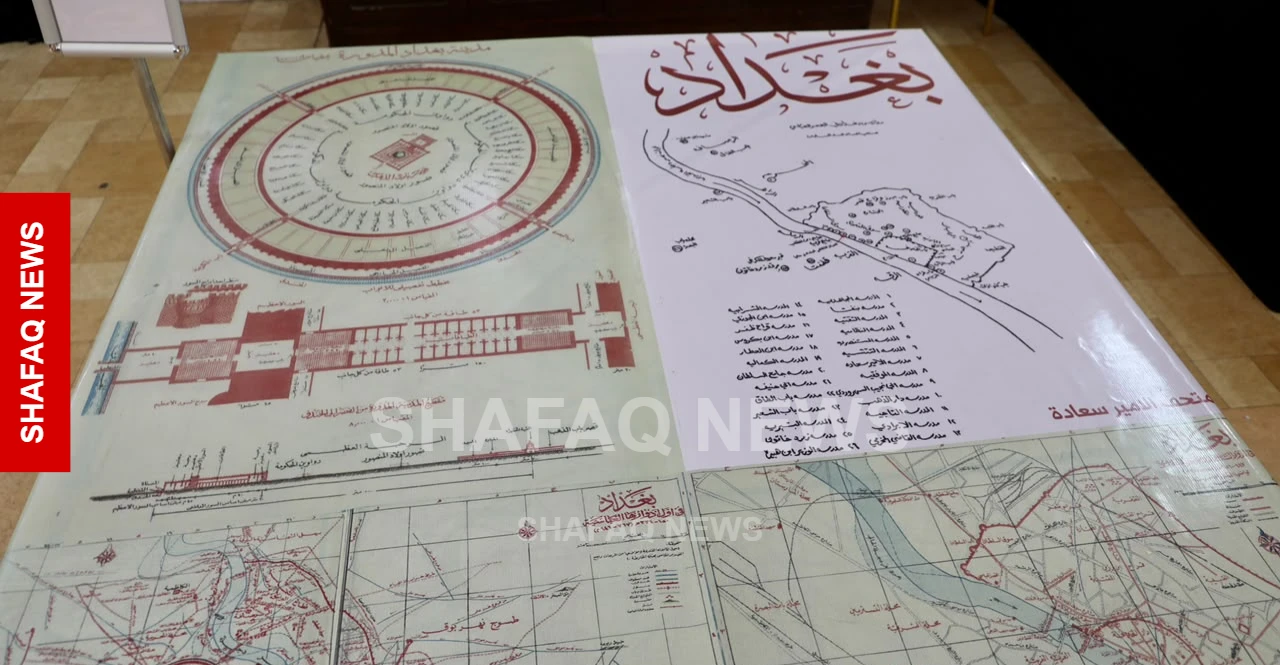
Saada later oversaw administrative affairs alongside Seljuk military commander Bursuq before establishing a school on Baghdad’s eastern side known as the Prince Saada School. The institution was among the schools operating in the city in the late fifth century AH.
He also owned a house on the banks of the Tigris, which he dedicated as an endowment for Sufis. Saada died in 500 AH and was buried near the shrine of Imam Abu Hanifa.