Record Arbaeen crowds, thin returns: Iran's collapse drains Iraq's religious tourism


Shafaq News
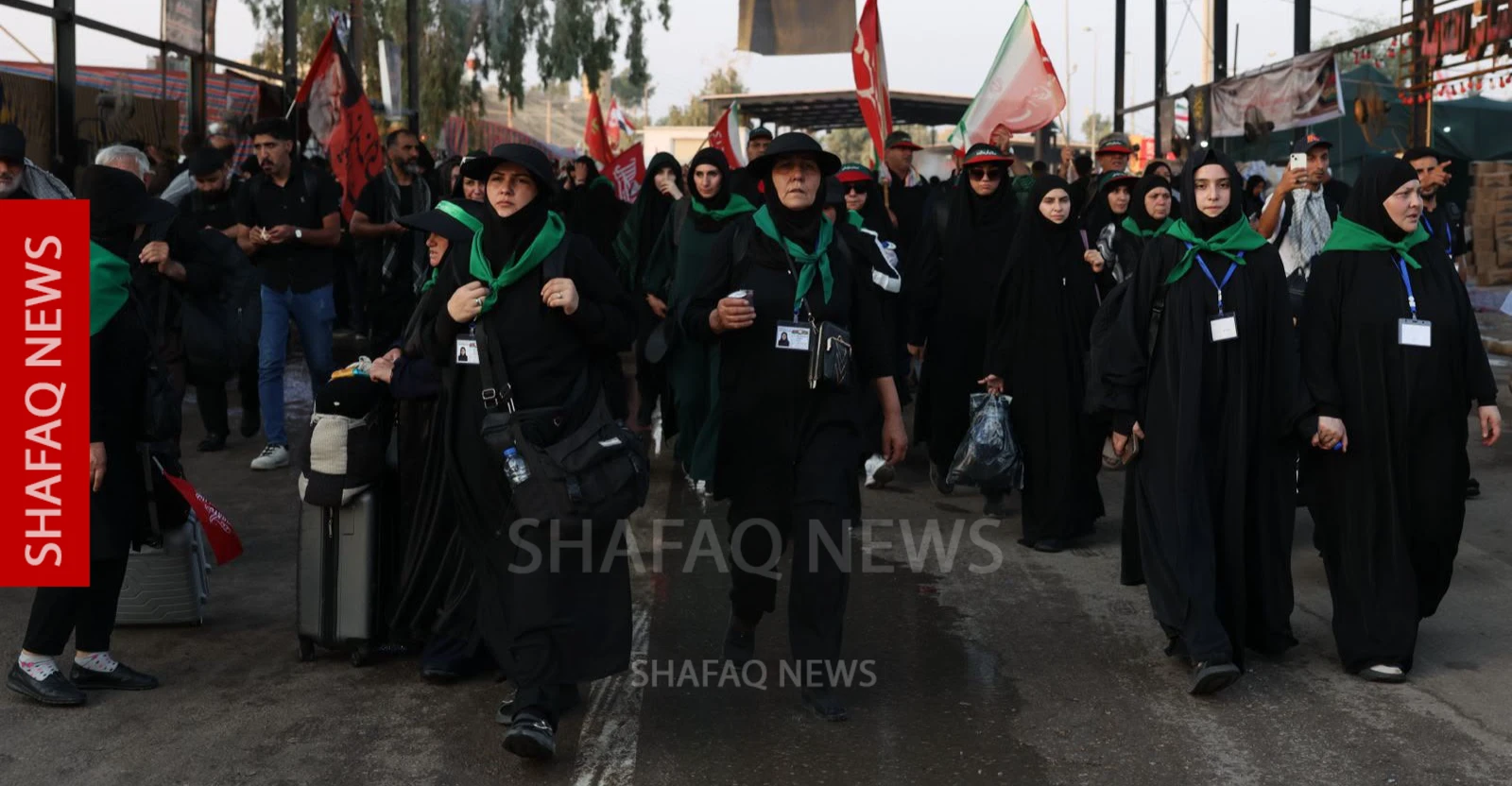
Iraq is once again hosting one of the largest annual gatherings on earth. More than 22 million people converged on Karbala for this year's Arbaeen pilgrimage, some five million of them foreign pilgrims from 172 countries, to mark the fortieth day of mourning for Imam Hussein bin Ali, the third Shia Imam and grandson of the Prophet Muhammad, killed in the city in 680 AD. Yet the shrine-city economies built around that human tide report a paradox: record crowds, shrinking returns.
The real story of this year's pilgrimage lies between scale and revenue, and it is widening under the pressure of a regional war and an Iranian economic collapse that has hollowed out the spending power of the pilgrims Iraq's holy cities depend on most.
Religious tourism is the country's most consistent non-oil economic engine, drawing pilgrims year-round to Karbala, Najaf, Kadhimiya, and Samarra, peaking during Ashura and Arbaeen. It contributes roughly 3.3 percent of Iraq's gross domestic product, and Baghdad has openly framed it as a pillar of economic diversification away from crude. The government's 2024 tourism investment plan earmarked nearly $620 million for infrastructure in Karbala and Najaf, including dozens of new hotel licenses. The ambition is not matched by the delivery, and a regional benchmark makes the shortfall impossible to miss.
Read more: Wednesday's US-Saudi attack on Iraq: What Is Known
Saudi Arabia hosts the Hajj —roughly 1.7 million pilgrims in 2026— a fraction of the more than 22 million who attended Arbaeen this year. But Riyadh converts that smaller flow into far greater wealth through a structured pilgrim economy: quota management, hotel capacity, and a pilgrim levy. Saudi religious tourism generates an estimated $12 billion, while Iraq's tourism sector as a whole earns around $3.7 billion despite drawing millions more visitors.
Azhar al-Kalsh, deputy head of the Karbala Hotels Association, told Shafaq News that this season's regional war between the United States and Iran struck the sector directly, thinning the ranks of foreign visitors through visa delays and disrupted air travel. But the deeper problem, he argued, predates the war: a chronic failure to plan the intake of pilgrims, from visa mechanisms to the capacity of the national carrier. Free entry visas, in his view, are deployed backwards —extended during peak season, when demand needs no encouragement, rather than used to stimulate arrivals during the lean months.
“If we manage properly, religious tourism could stand as a revenue source capable of rivaling oil.”
The mechanism of that leakage is structural, and it is where the pilgrimage's greatest strength becomes an economic constraint. Much of the movement of pilgrims runs not through the market but through the Mawakib —the Husseini processions that provide food, lodging, and transport free of charge, a tradition of hospitality that sustains the walk to Karbala and defines its character.
Economist Karim al-Hulou told Shafaq News that billions of dinars circulate during the roughly two-week pilgrimage, moving through bakeries, restaurants, meat and poultry markets, and logistics. But because so much is given rather than sold, the direct return to the state and formal businesses runs well below the true volume of activity. “The economy moves; the treasury and the private sector see only a slice.”
Read more: Faith and finances: Religious tourism fuels Iraq’s economy
For Najaf, the constraint is compounded by a single dependency. Saeb Abu Ghanim, head of the Najaf Hotels Association, told Shafaq News that around 80 percent of the city's hospitality, transport, and lodging activity during pilgrimage season is tied to Iranian visitors. “That concentration has turned Iran's crisis into Najaf's crisis.”
The rial has lost more than half its value against the dollar over the past year, trading near 1.4 to 1.5 million to the dollar by early 2026, with inflation above 40 percent. “The Iranian pilgrim still comes, but cannot spend too much,” Abu Ghanim said, describing a season in which turnout held, but hotel and market revenue fell, as diminished purchasing power, higher travel costs, and regional insecurity combined to suppress outlays across the board.
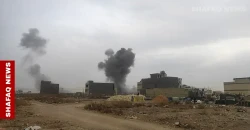
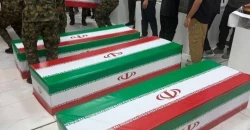
The war framing this season is not incidental. This is the first Arbaeen since the US-Israeli attack on Iran on February 28, a conflict that has not spared Iraq. Days before the commemoration, US-Saudi strikes killed 20 Popular Mobilization Forces members, and Iranian and international media outlets reported five to 20 Iranian military personnel were also killed, drawing the country back toward the center of the regional confrontation.
Tehran, for its part, has leaned into the pilgrimage rather than away from it. Iran has continued facilitating the journey and framed the sustained turnout as a display of resilience and soft power, even as its own citizens contend with currency collapse and shortages at home. The result is a pilgrimage whose political symbolism has rarely been higher and whose economic yield has rarely been more strained.
The pattern points to an unresolved tension in how Iraq governs its most valuable non-oil asset. The turnout is not the problem; the numbers set records even in a war year. The problem is conversion: the absence of the visa strategy, hotel capacity, border management, and formalization that would translate a religious obligation into durable revenue. That absence has consequences the state is already fielding. The Iraqi Travel and Tourism Companies Association raised alarm this week over reports that 15,000 Afghan pilgrims received free visas through operators outside the licensed tourism sector.
The challenge is not whether pilgrimage can move Iraq's economy —it plainly does— but whether Baghdad can convert a seasonal surge into a sustained resource through infrastructure, regulated travel, and expanded capacity. This year sharpens the stakes. With Iran's pilgrims arriving with far less to spend, and the war raising both the symbolic weight and the security cost of the season, the shrine cities are discovering how much of their prosperity rests on a single foreign economy in freefall.
Read more: 150,000 archaeological sites, 556 tourists: Iraq's oil economy explains the gap
Written and edited by Shafaq News staff.