Iraq’s southern drought: Policy paralysis and upstream pressures deepen rural collapse


Shafaq News
The humanitarian toll of drought in southern Iraq is no longer measured in withered crops or livestock losses alone. What began as an environmental challenge has now evolved into a systemic crisis—exposing Baghdad’s fragmented water governance, unaddressed infrastructural decay, and growing vulnerability to upstream controls by Turkiye and Iran.
A Crisis Decades in the Making
While the drying of Iraq’s southern marshes has accelerated in recent years, the roots of the current collapse lie in the erosion of institutional capacity and geopolitical neglect. Despite constitutional guarantees of equitable water distribution, no unified national strategy has emerged to regulate consumption, enforce conservation, or negotiate upstream water flows effectively.
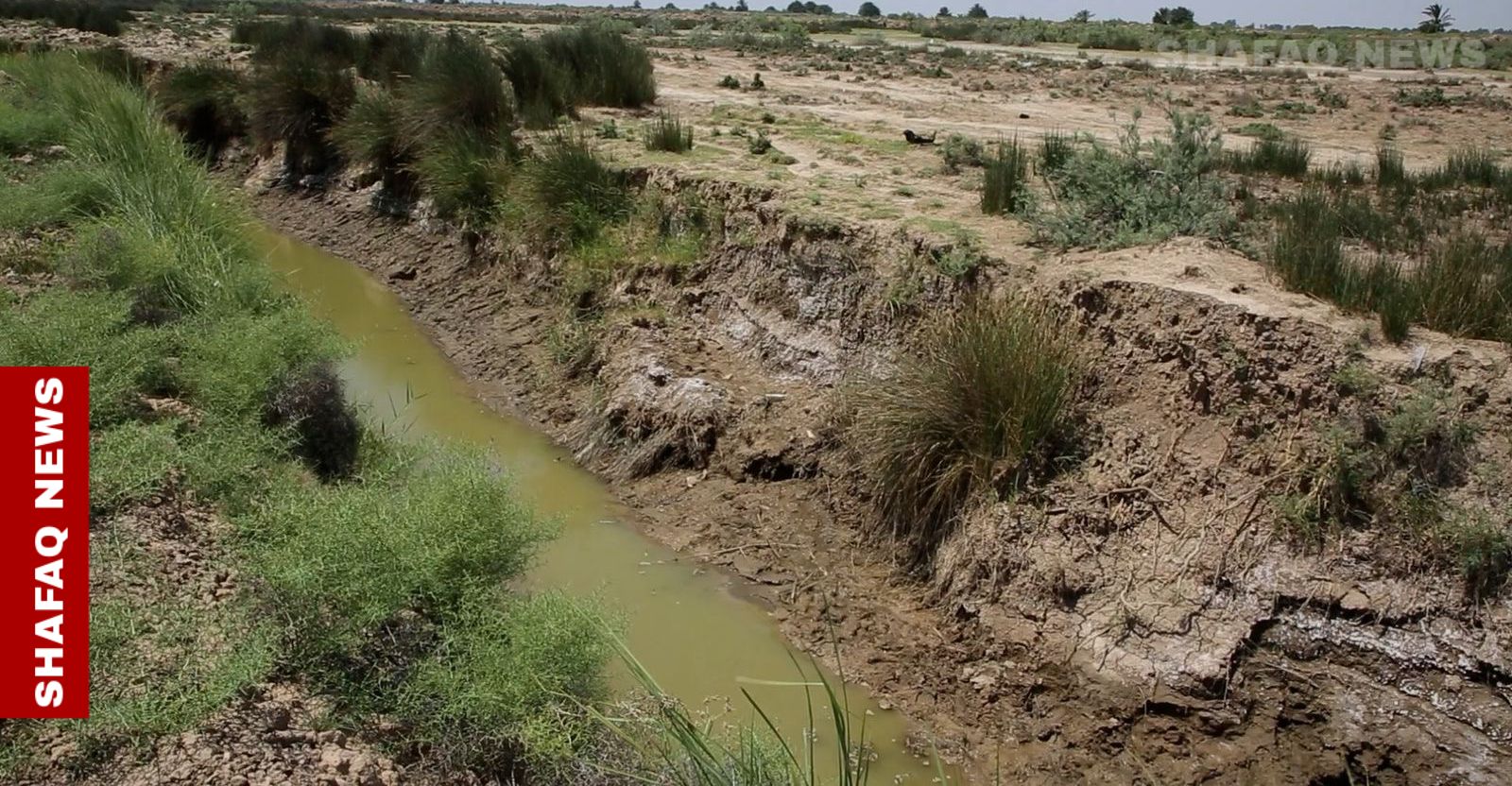
Multiple experts interviewed by Shafaq News confirmed that drought conditions have worsened since 2021, but official responses remain reactive. Villagers in Dhi Qar, for instance, still rely on costly surface water deliveries and occasional donor-driven filtration units—none of which address the structural absence of piped potable water or sewage treatment systems in rural districts.
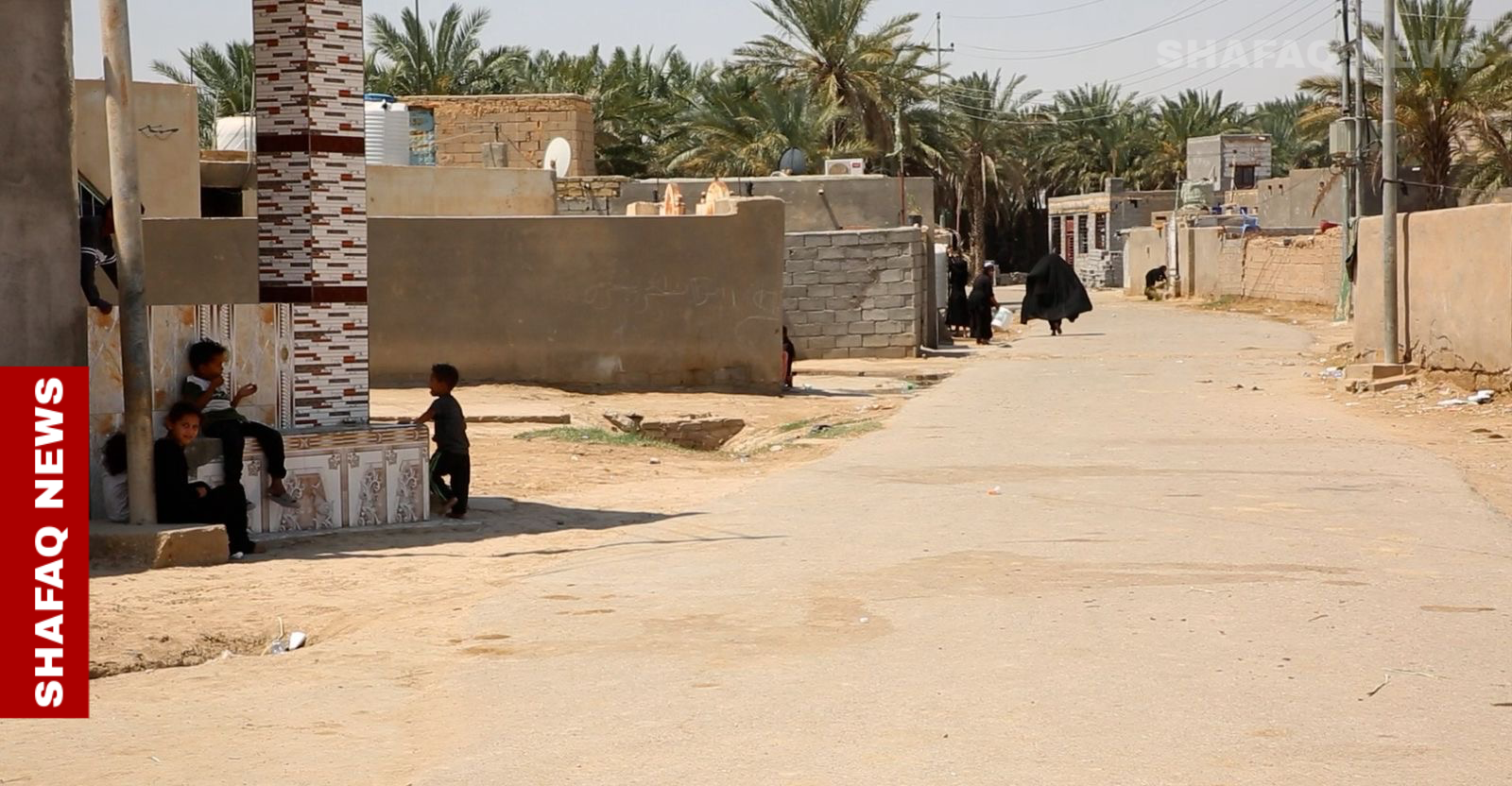
Residents of villages such as Al-Mallal, near Al-Shatra in Dhi Qar, report walking up to three kilometers every other day just to bathe in clean water. “Since 2021, there has been a total cut in water supply,” said Sadiq Ashour, a father of several children. The village relies entirely on water trucks that arrive sporadically. An earlier filtration project backed by the Abbasid Shrine proved temporary, leaving residents once again dependent on purchasing water for basic survival.
“We are seeing the collapse of both the ecosystem and the
state's ability to protect it,” said Jassim Al-Asadi, director of Nature Iraq.
His warning reflects a broader pattern: local initiatives without federal
coordination are no match for a crisis driven by regional climate trends and
upstream manipulation.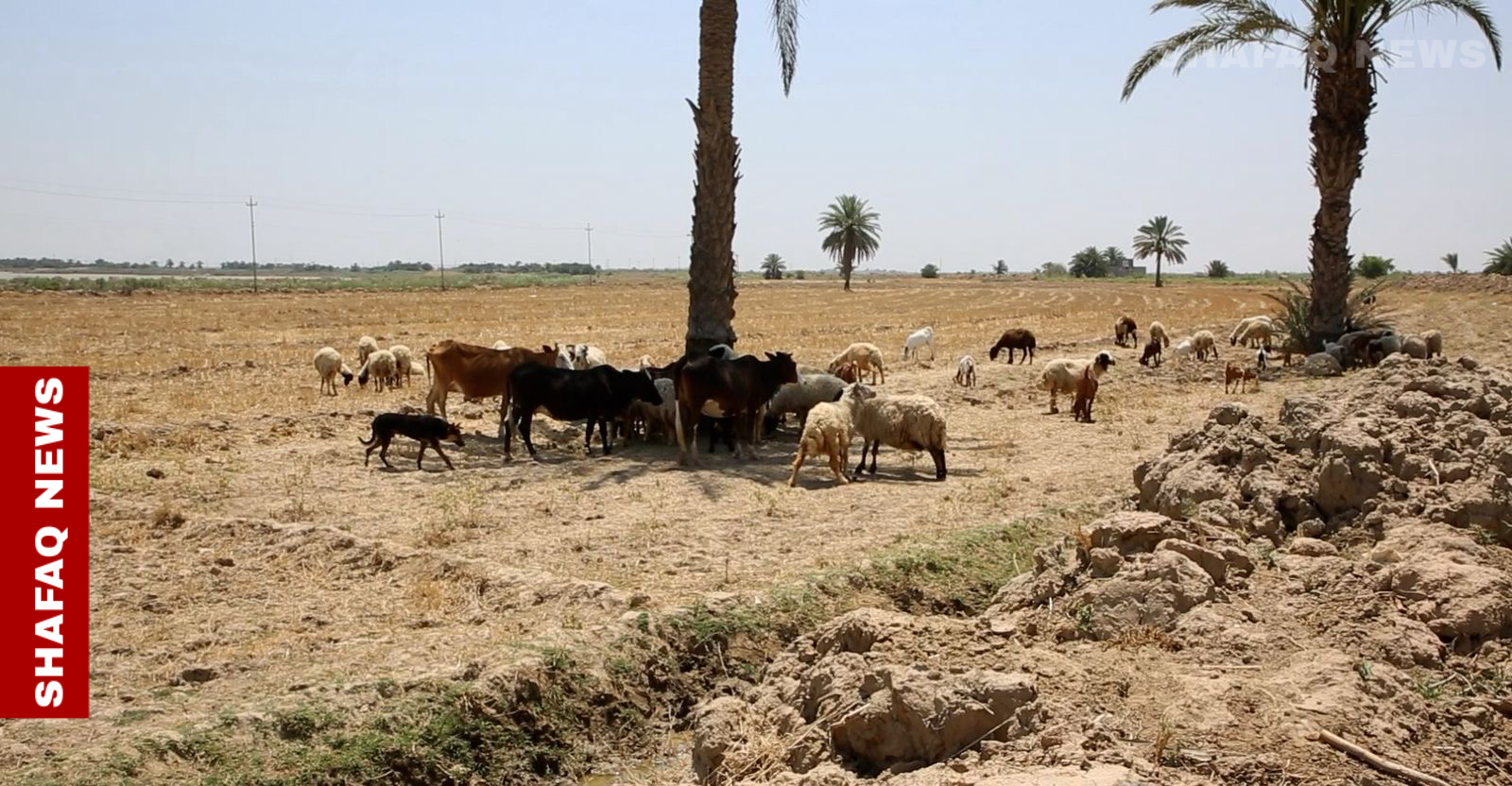
Upstream Control, Downstream Devastation
Iraq’s two lifelines—the Tigris and Euphrates rivers—originate outside its borders. Turkish dam projects on the Euphrates (notably the Ilisu and Ataturk dams) and Iranian water diversions along tributaries like the Karun and Karkheh have reduced Iraq’s annual inflows by more than 50% since the early 2000s, according to government estimates.
Yet negotiations with Ankara and Tehran remain sporadic and largely ineffective. As recently as 2023, the Ministry of Water Resources admitted that it lacked the leverage to enforce prior water-sharing protocols, with no binding bilateral agreements currently in force. Experts warn that unless Baghdad secures a formal mechanism to monitor and manage upstream releases, southern Iraq’s marshes and farmlands may never recover.
“Every time Turkiye opens or closes a gate, thousands of Iraqi families feel the effect. Yet we have no real-time access to upstream data,” said a technical advisor at the ministry, speaking anonymously to Shafaq News.
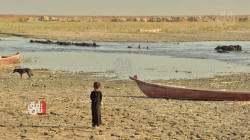
As water levels drop, the environmental damage is accelerating. According to Al-Asadi, the water level of the Euphrates in Al-Chibayish fell to just 55 cm in 2024, compared to 194 cm in 2019. Today, only about 25% of the marshes’ water needs are being met. Large lakes in Hawizeh Marsh, such as Um al-Na’aj and Al-Sanaaf, have also dried up, pushing buffalo herders to relocate up to four times per year in search of water. The crisis has triggered a wave of disease outbreaks and internal displacement.
Parliamentary Gridlock and Ministerial Gaps
Domestically, political fragmentation has hindered Iraq’s ability to implement a national water management plan. Ministries of Water Resources, Agriculture, and the Environment often operate in isolation, with little cross-sectoral coordination.
Efforts to introduce modern irrigation systems or regulate water-intensive crops like rice and wheat have either stalled in Parliament or faced resistance from provincial actors tied to agricultural patronage networks.
In areas like Dhi Qar, where buffalo herding and rice cultivation are culturally embedded, state support for transitioning to drought-resilient practices has been minimal. As a result, thousands of families are forced to migrate each season in search of water, pushing urban centers like Nasiriyah and Basra toward unsustainable population growth, unemployment, and service strain.
Iraqi MP Hassan Wariwesh confirmed that the country is
facing “the worst drought season” in recent memory, with strategic water
reserves falling below 9 billion cubic meters. He blamed poor water management
and insufficient ministry-level coordination, noting that even river systems
feeding southern districts have dried up, leaving no groundwater alternatives
and fueling large-scale displacement.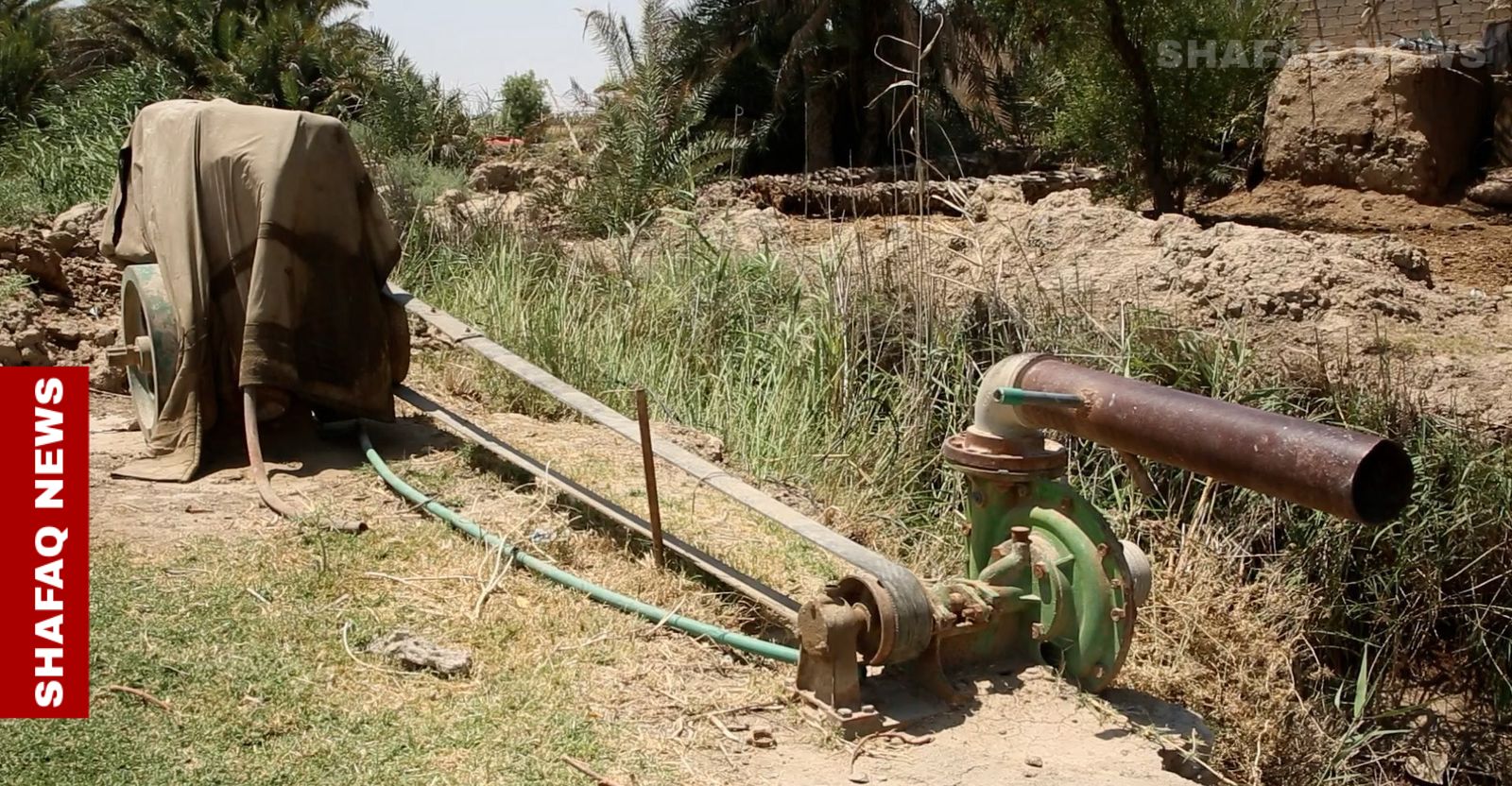
International Warnings, Local Inaction
The UN and World Bank have both issued repeated alerts about Iraq’s vulnerability to climate-induced displacement and water insecurity. A 2023 UN Environment Programme report warned that Iraq could lose up to 30% of its arable land by 2035, while the World Bank noted that climate-driven migration may affect 1 in 5 Iraqis by the end of the decade.
Despite these warnings, emergency allocations for marsh rehabilitation or rural relocation infrastructure remain largely absent from Iraq’s federal budget priorities. There has been no national task force assigned specifically to southern water crises, even though more than 85% of fish stocks in the marshes have already collapsed, according to local agricultural officials.
In Dhi Qar, Mohammed Abbas, the province’s Director of
Agriculture, confirmed the death of over 14,000 buffalo and the destruction of
nearly 85% of the marshlands’ fish populations since the drought began. In
Nasiriyah itself, 85% of the water that reaches residents is wastewater and
agricultural drainage, according to academic Najm Al-Ghazzi. He warned that the
city relies almost entirely on the Gharraf River, now considered toxic due to
low flows and untreated sewage.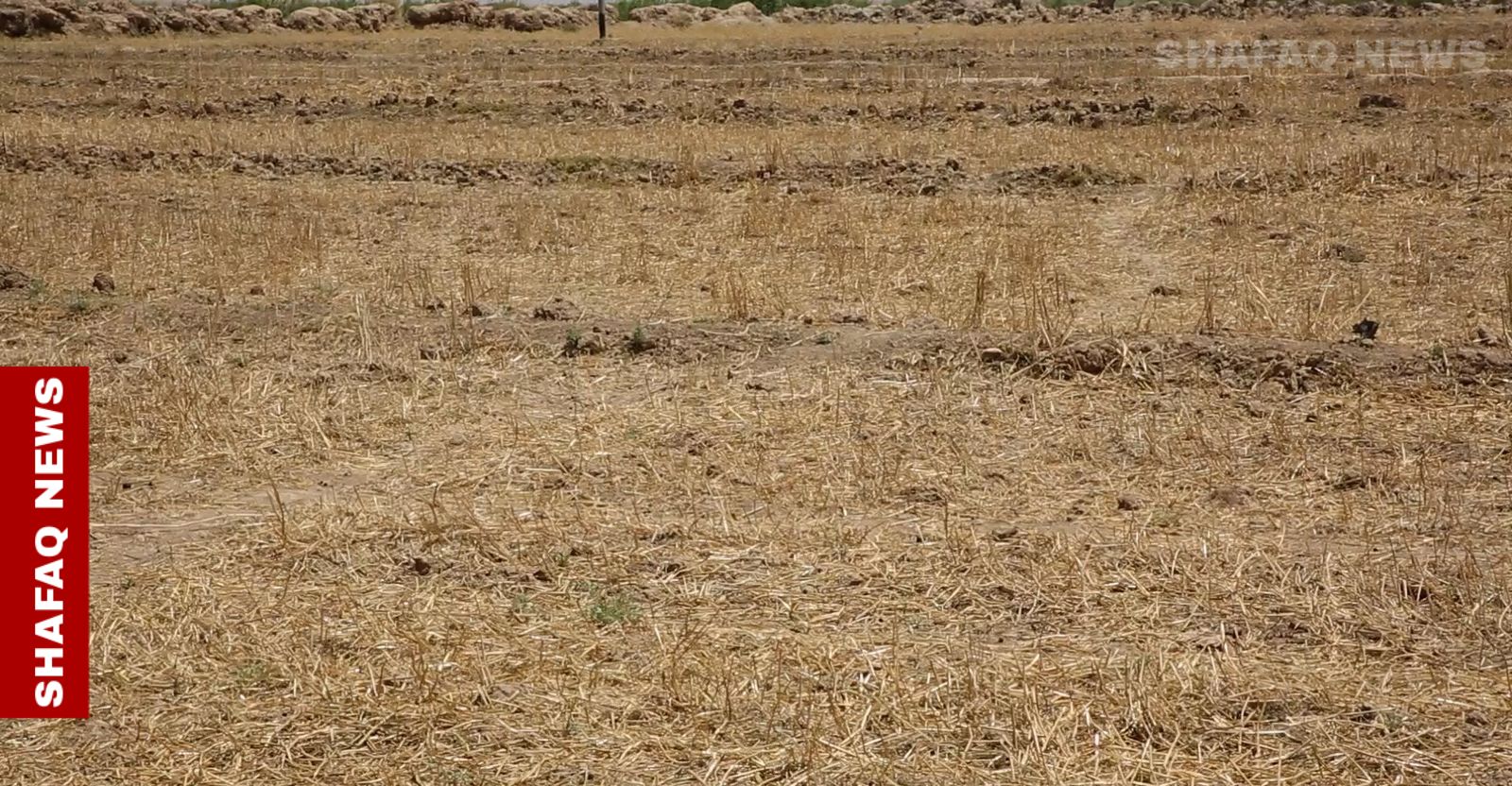
Ecological Collapse, Strategic Risk
The longer Iraq delays decisive action, the more irreversible the damage becomes. Marshland loss is not only an environmental issue—it carries deep cultural, economic, and geopolitical implications. Southern marshes once served as ecological buffers, tribal heartlands, and even strategic zones of resistance under Saddam Hussein’s regime.
Now, they risk becoming desertified corridors of ungoverned migration, increasing the likelihood of resource-driven conflict, militia mobilization, and cross-border instability—especially if displaced populations move closer to volatile southern borders.
According to testimonies from locals like Hajj Ridwan Abd Ali, entire families are fleeing areas such as Al-Chibayish, Al-Fuhoud, Al-Hammar, and Al-Sheeb—villages historically dependent on river systems that no longer flow. "We haven’t seen clean water since 2023," he said, recalling a similar mass exodus during the 1980s, when Saddam’s regime drained the marshes.
Unless Baghdad reclaims control of its water future through a unified national strategy, enforced conservation, and binding upstream diplomacy, the exodus from the marshes may soon become permanent.
Written and edited by Shafaq News staff