International Labor Day in Iraq: A holiday in search of its workers


Shafaq News
As much of the world marks May 1 as a tribute to the labor movement, Iraq's roughly 15 million workers face a holiday largely emptied of its meaning. International Labor Organization data shows that 66.6% of total employment in the country is informal –workers operating without contracts, without legal guarantees, and largely outside the reach of the state.
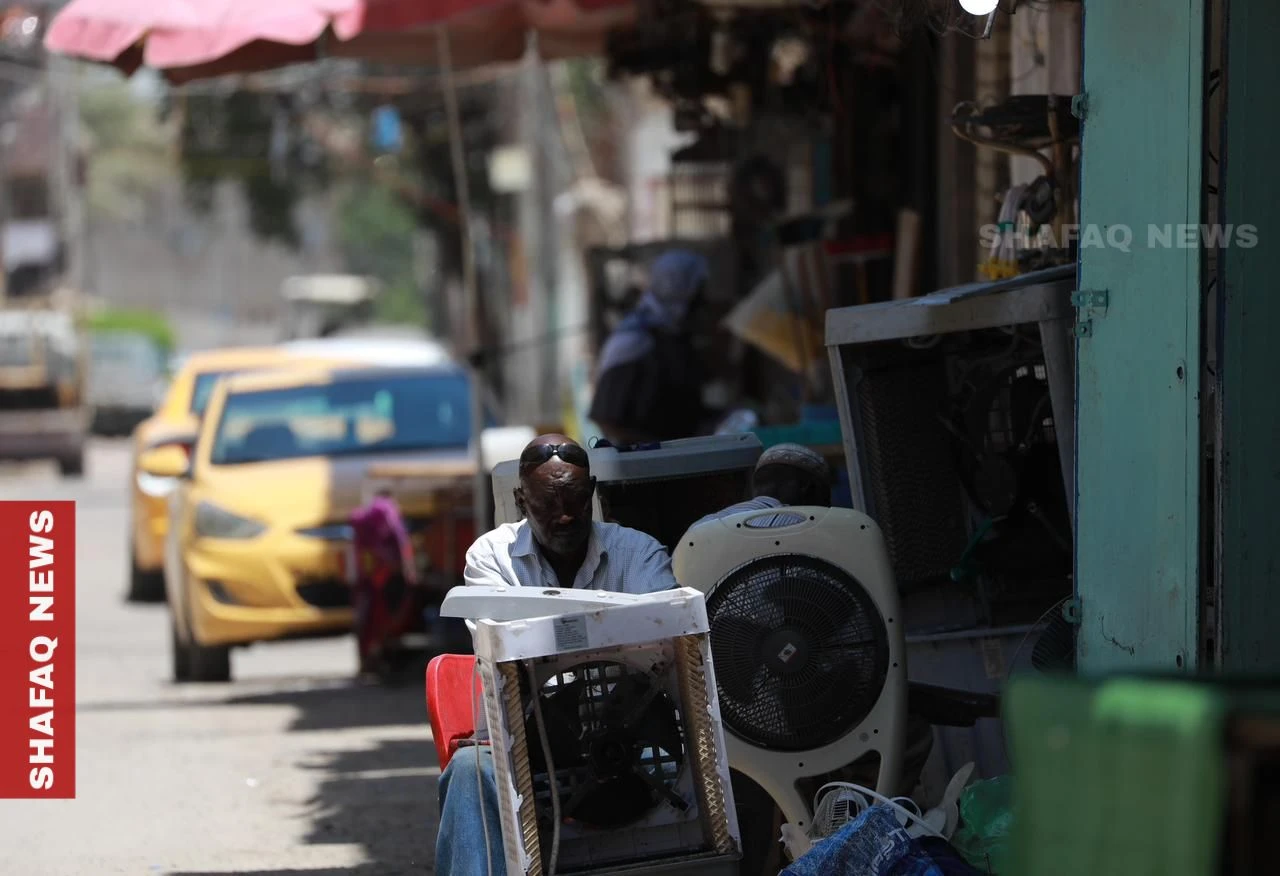
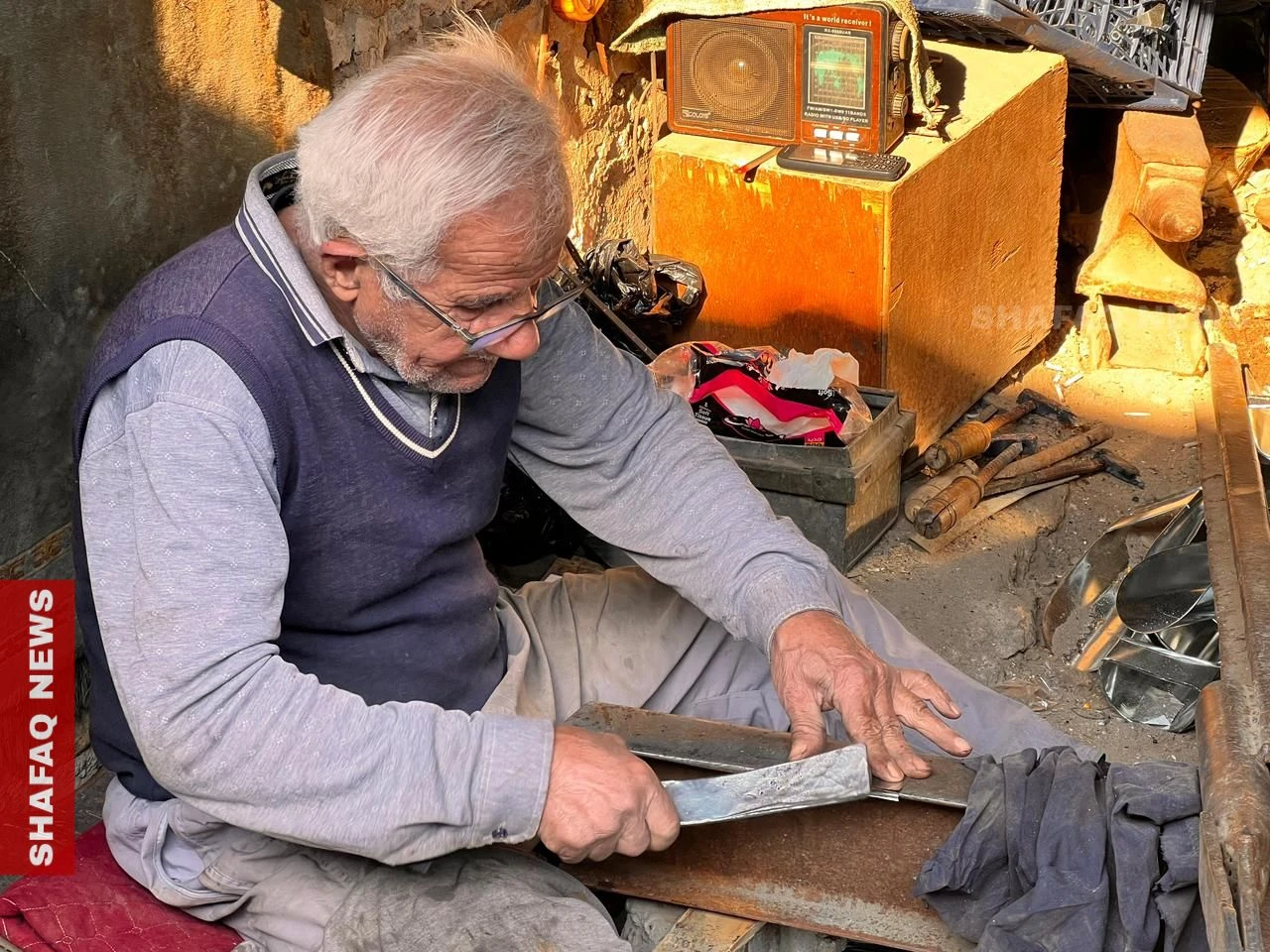
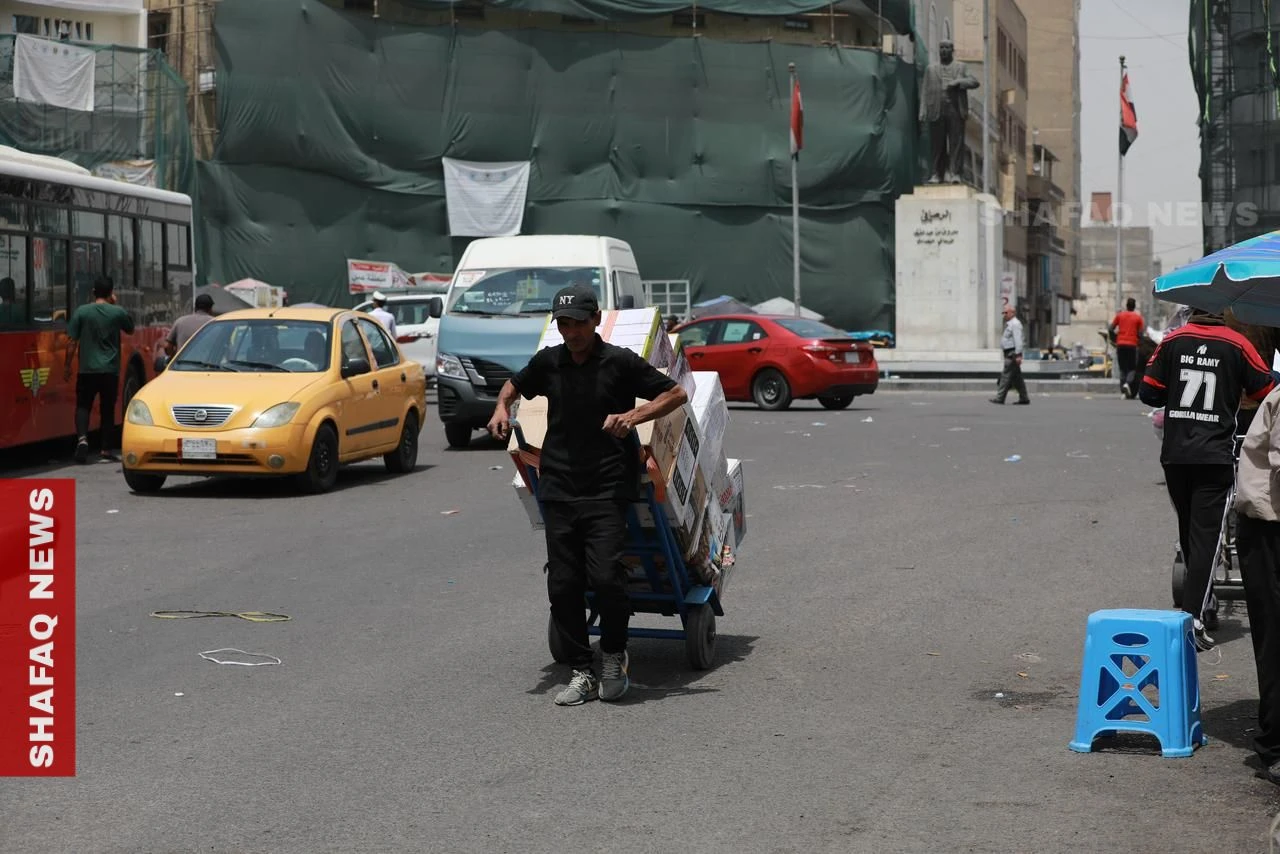
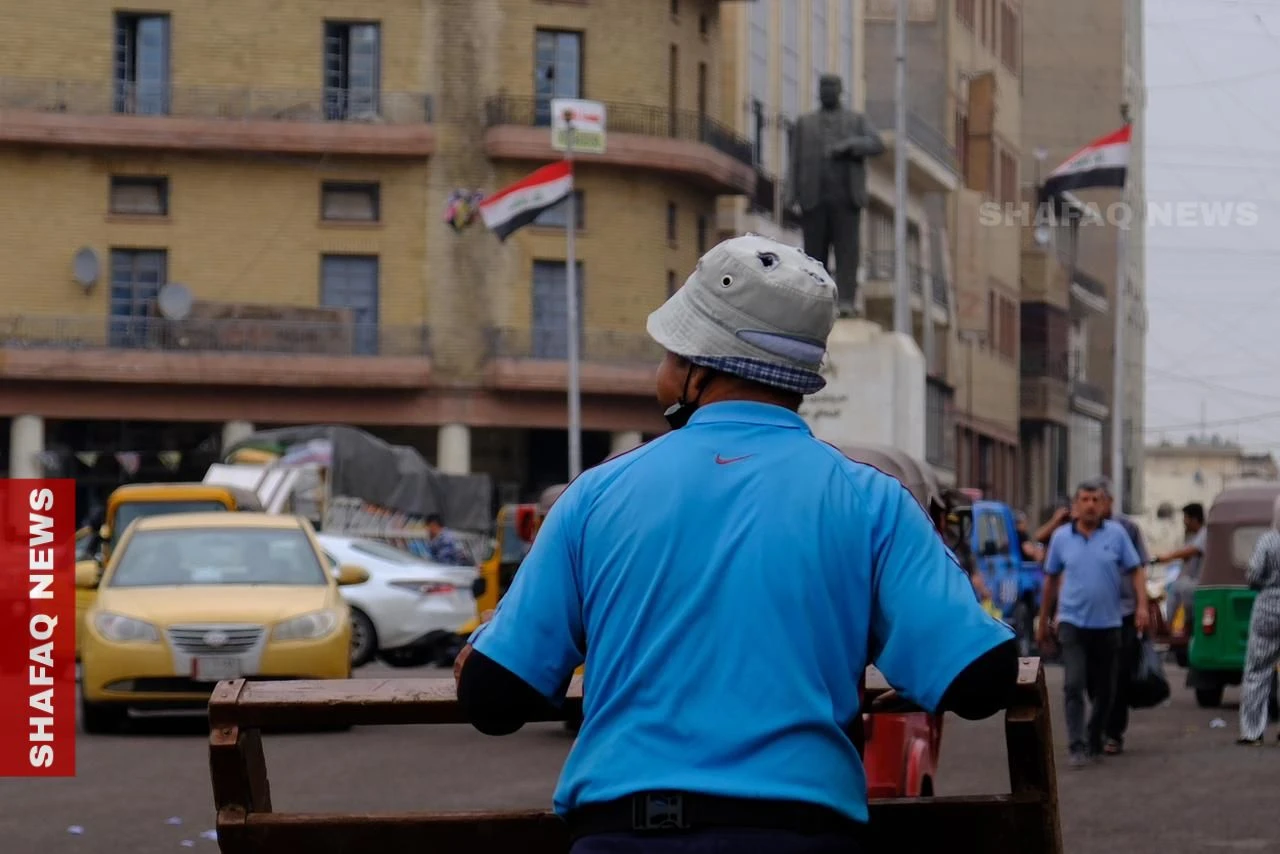
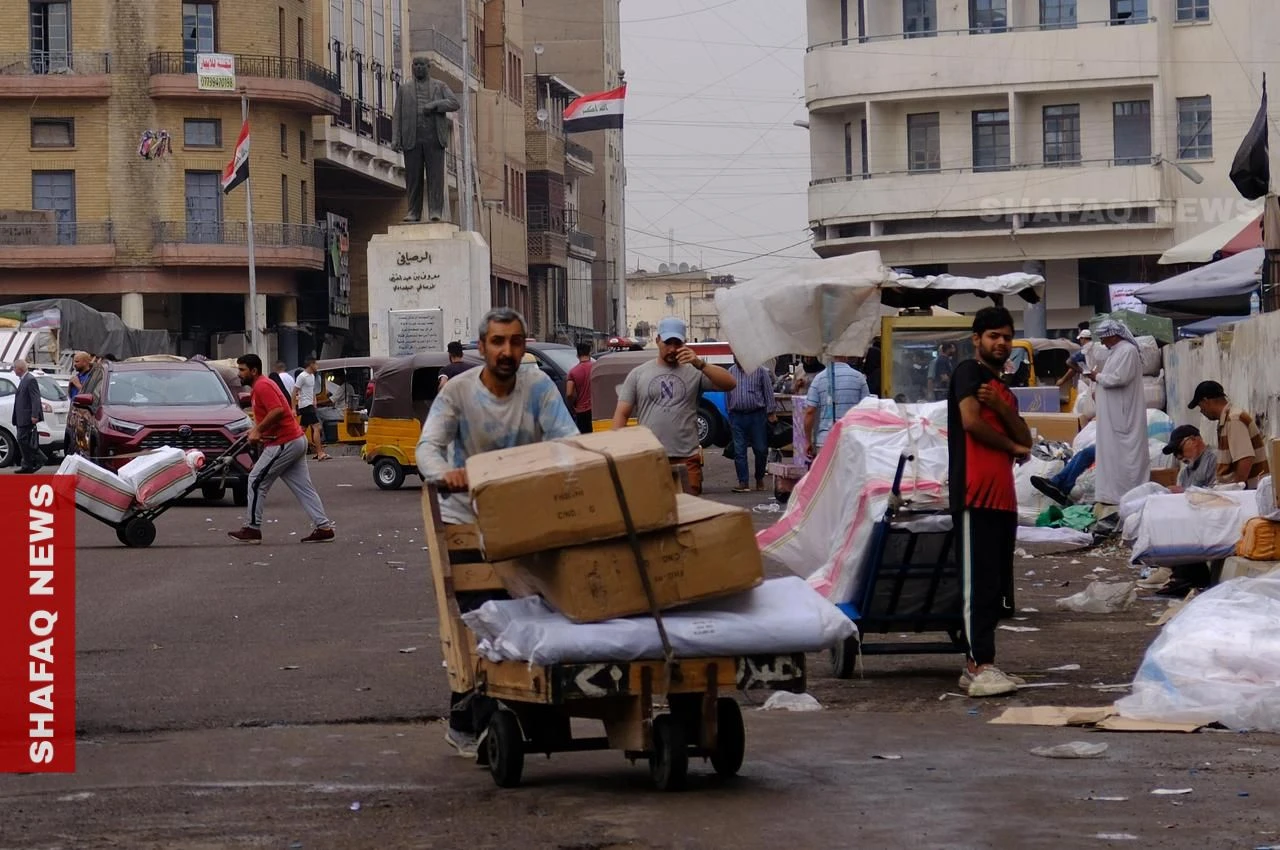
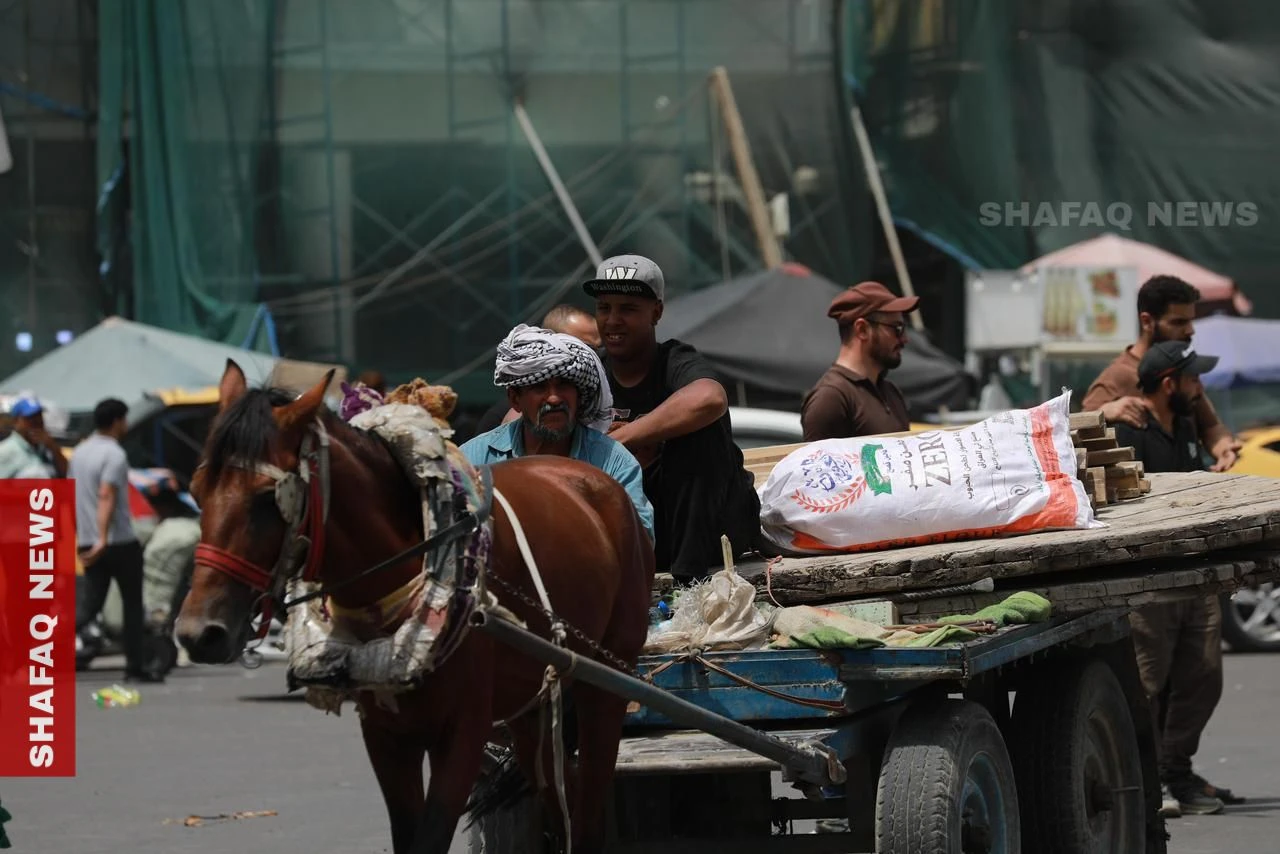
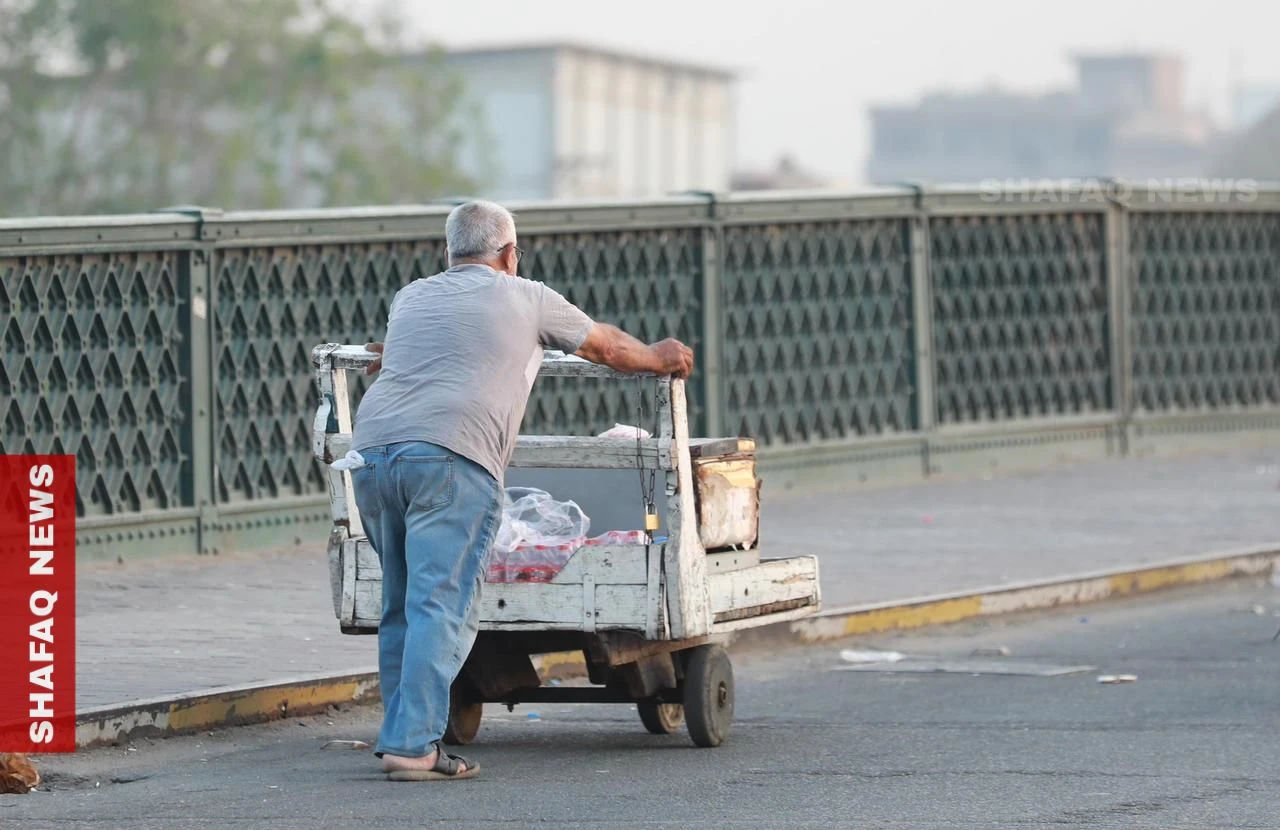
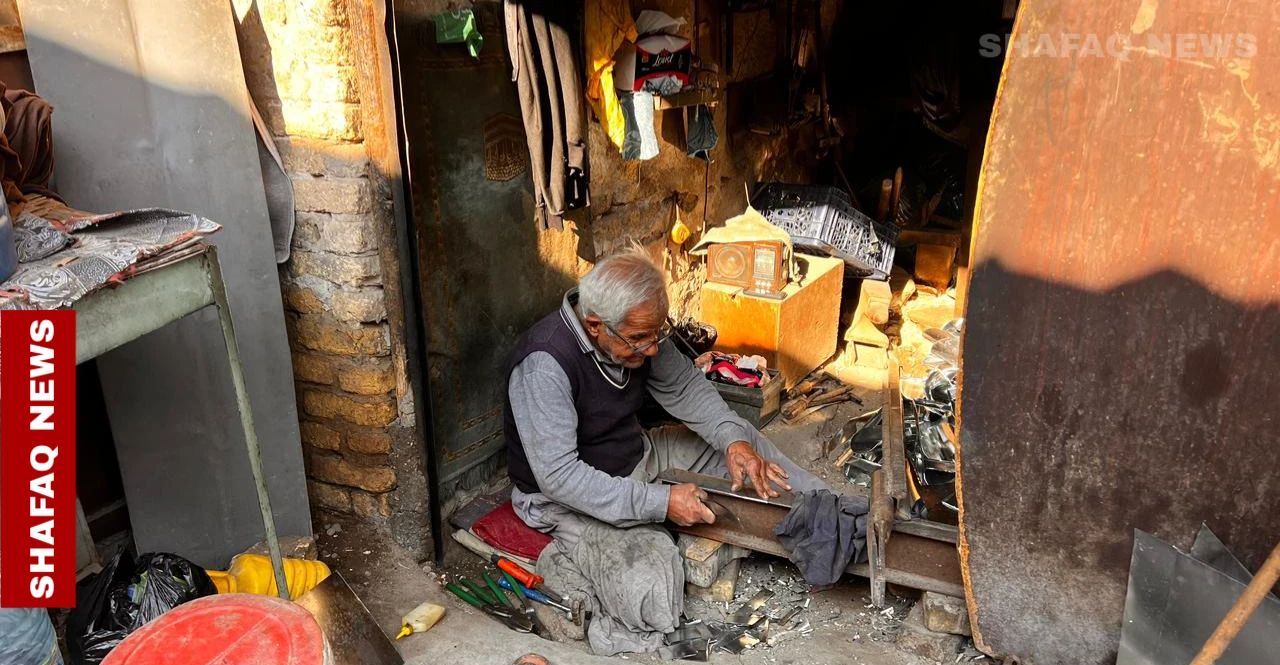
The conditions that produce that figure are visible across construction sites, car washes, and shop floors, where complaints of meager wages, punishing hours, and the near-total absence of legal protection have turned the holiday into something closer to a reminder of what Iraqi labor does not have.
Name Without Content
In Baghdad's industrial zone, Ali Mohammed begins each shift at a car wash at 08:00 a.m. and finishes at 06:00 p.m. —sometimes not before 7 or 8 in the evening. For that day's work, he told Shafaq News, he earns 10,000 Iraqi dinars, or just over six dollars, and the shop owner provides no work allowances and no meals beyond a single lunch, usually a falafel wrap. In winter, when business slows, the daily rate drops to 5,000 dinars. He has tried to find better-paying work with shorter hours, but unemployment has closed those doors.
Ali Saadoun, a bricklayer, dismissed International Labor Day as “just a name without content.” What mattered to him was finishing his work and collecting his daily pay, while the talk of workers' rights from government and trade unions is “a laughable lie repeated at every occasion.” Workers cling to whatever job they can find, however poor the wage and hard the conditions, because the alternative is hunger for their families, and when employers withhold pay, the worker has no real recourse —neither the law nor the unions deliver justice.
Working women face the system at its sharpest. Lama Abdulkarim worked 10:00 a.m. to 10:00 p.m. in a shop without a contract, social security, or any documented rights, and once her employer learned she was pregnant, he dismissed her. With no path to redress, she recalled, all she could do was “congratulate the woman hired to replace me, say goodbye to my colleagues, and walk out quietly.”
Lama's experience reflects a labor market in which women are barely present to begin with. ILO figures put female labor force participation in Iraq at roughly 11.76% against 74% for men, leaving the bulk of Iraqi women excluded from the formal economy entirely.
Rules on Paper
Iraq's own union leadership does not dispute the picture. Speaking to Shafaq News, Ali Al-Jabri, administrative director of the Iraqi Federation of Trade Unions, acknowledged that workers' conditions remain structurally precarious, particularly in the private sector and the informal economy. He cited youth unemployment, the prevalence of work without formal contracts or legal guarantees, sharp pay gaps between the public and private sectors, unsafe workplaces, and chronic delays in disbursing wages.
Al-Jabri's proposed remedies center on enforcement: applying the minimum wage in line with actual living costs, establishing strict oversight to curb exploitation, protecting workers from arbitrary dismissal, guaranteeing safe workplaces, defending the freedom to organize without pressure, and obliging employers to issue formal contracts. “Achieving social justice begins with delivering justice to workers themselves.”
“The situation is very complex,” according to Walid Naama, head of the Iraqi Federation of Trade Unions, who explained that most private-sector workers operate without contracts or safeguards. The majority earn less than 300,000 dinars (around $230) a month —a figure that falls below Iraq's statutory minimum wage of 350,000 IQD, set under Labor Law No. 37 of 2015 and left unchanged since.
Read more: Iraq's workers rise: New union challenges old guard
Baghdad saw these problems, and more, carried into the streets on Friday, when a large march moved from Firdos Square toward Nasr Square. Marchers raised banners calling for the activation of the civil service law, the adoption of a fair salary scale, and the establishment of a social and health insurance system that would protect workers' dignity.
The demands are not new, and neither are the conditions that produced them. For Iraq's labor force, May Day this year arrived less as a celebration than as a measure of how far the rhetoric of workers' rights still sits from the conditions in which most of them work.
Written and edited by Shafaq News staff.