Dollar volatility and cash shortages freeze Iraq’s housing and car markets


Shafaq News- Baghdad
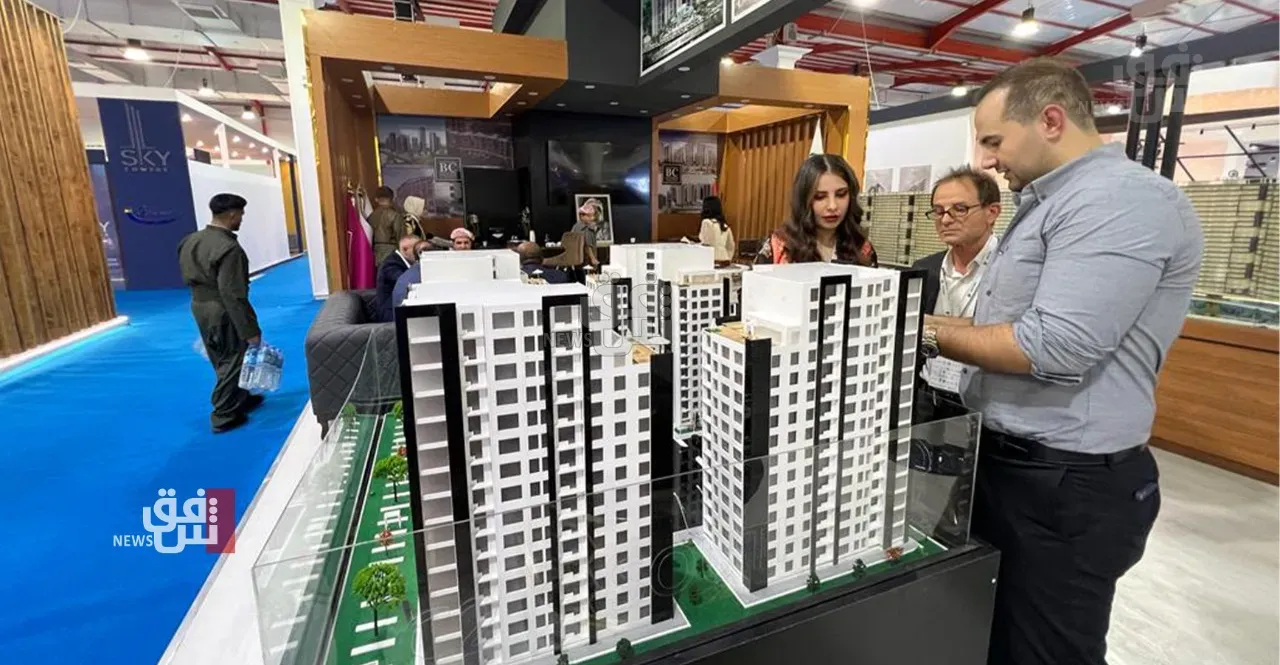
Housing listings are piling up, and car markets are drawing crowds without buyers across Iraq, as fast-moving prices and delayed incomes make major purchases increasingly out of reach for households, according to interviews with residents, traders, and economists.
Fluctuations in the US dollar exchange rate, rising gold prices, and repeated delays in public-sector salary payments have combined to slow activity in two of the most sensitive sectors for Iraqi families: housing and automobiles. While prices have largely held steady, the number of completed transactions has dropped sharply.
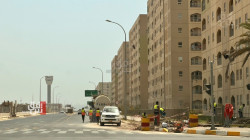
In Baghdad, Abu Ahmed, 52, has been trying to sell his home for more than four months without success. Potential buyers, he said, lose interest once they hear the price or say they are waiting for the dollar to stabilize. Homes that once sold within weeks now sit on the market indefinitely, he added, describing conditions as “almost completely stalled.”
Read more: Iraq’s economic “perfect storm”: Experts warn the crisis is structural and social
Economists say the slowdown reflects growing uncertainty rather than a collapse in asset values. Mustafa Faraj, an economic analyst, explained that Iraq’s heavy dependence on imports makes domestic markets highly sensitive to currency movements, particularly in the car sector, where vehicles are priced in foreign currency. Housing prices, he noted, are also indirectly affected through oil revenues and dollar-based state spending.
Faraj said the current stagnation is being driven primarily by liquidity shortages and delayed salaries, which have “weakened purchasing power and pushed households to postpone large financial commitments.” At the same time, rising gold prices and regional geopolitical tensions have encouraged wealthier Iraqis to shift savings toward gold, reducing cash circulation in the broader economy.
Concerns about keeping savings in state-owned banks and recent restrictions on transferring funds abroad have reinforced this trend, further tightening liquidity in consumer markets.
Local authorities have acknowledged the slowdown. In December 2025, the Baghdad Provincial Council linked declining real estate activity to high fines and taxes on subdivided housing units. The council said it was preparing recommendations to reduce subdivision penalties and limit taxation to sold portions of land, to ease pressure on the market.
Read more: Liquidity shortage delays Iraqi salaries: Experts warn of prolonged financial strain
Safwan Qusay, an economic expert, did not place responsibility on monetary policy, pointing out that the Central Bank of Iraq and commercial banks continue to offer financing programs aimed at supporting homebuyers and, in some cases, vehicle purchases. He argued that gold price fluctuations are driven by global markets rather than domestic monetary decisions, and that housing demand could recover independently of turbulence in currency or commodity prices.
On the ground, however, business owners report little sign of recovery. Radwan Al-Yasiri, who runs a car showroom in Baghdad’s Al-Bayaa district, said sales have nearly stopped. Markets that were once crowded on weekends now see only sporadic transactions. He attributed the decline to weak purchasing power, inflation, higher customs fees, and tighter regulations on imported vehicles, “all of which have pushed prices higher and discouraged buyers.”
Real estate broker Abdul Hassan Kazem, who operates a property office in Baghdad’s Al-Jihad neighborhood, said his last home sale was more than two months ago. Current activity, he noted, is largely limited to rentals, as buyers struggle to match prices with their incomes.
Economic observers warn that the stagnation may reflect a deeper contraction in domestic demand rather than a temporary pause. Khaled Al-Jaberi, head of the Ousoul Foundation for Economic and Sustainable Development, said eroding purchasing power and tightening liquidity have forced households into cautious spending patterns, affecting multiple sectors beyond housing and cars.
According to Al-Jaberi, vehicles were hit first because they represent postponable spending during income shocks. Real estate, while retaining nominal value, has entered a phase of what he described as “transactional paralysis,” marked by rigid prices and a lack of buyers able to complete deals.
He added that newly married couples, traditionally a key driver of demand for housing, gold, furniture, and construction materials, are increasingly delaying marriages or scaling back wedding plans due to prices that no longer align with incomes. This, he said, has triggered a slowdown across interconnected markets.
While gold has become a refuge for some households, Al-Jaberi warned that the trend benefits only higher-income groups with existing assets, leaving most families outside effective saving and consumption cycles. The core problem, he argued, is not a shortage of money in the system, but blocked channels preventing liquidity from reaching real demand.
“Without targeted financial tools to break the current freeze without fueling inflation, the slowdown risks hardening into a prolonged economic contraction,” he concluded.
Written and edited by Shafaq News staff.