Christmas celebrations spread across Iraq and Kurdistan Region


Shafaq News
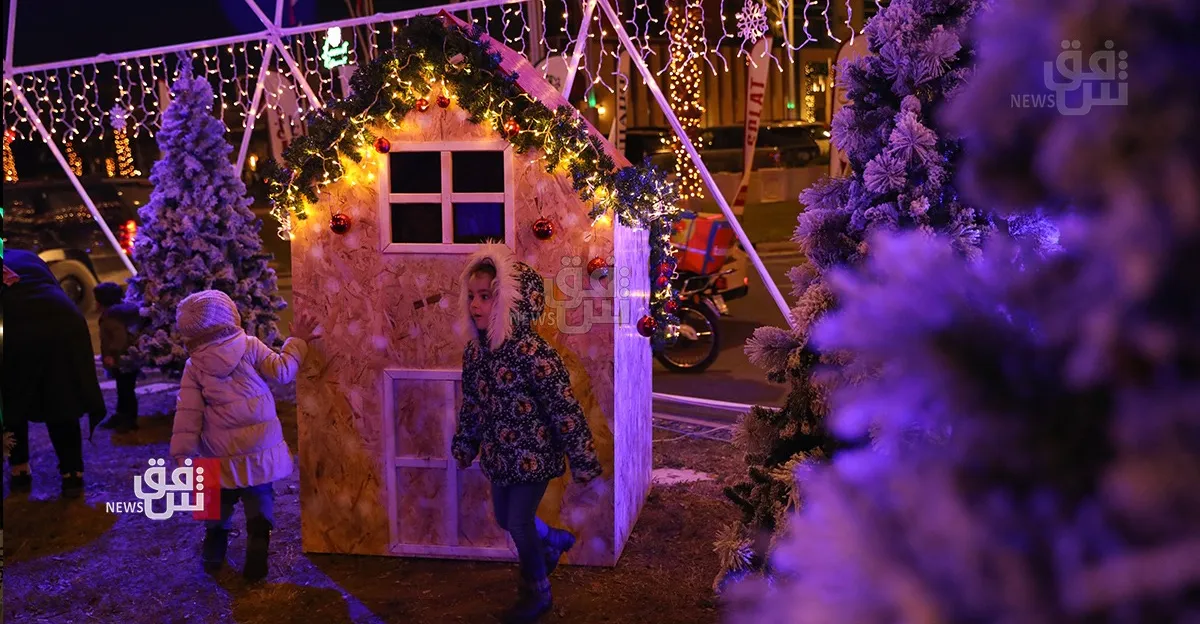
As Christmas approaches, cities across Iraq and the Kurdistan Region—from Baghdad’s Shorja market to Erbil’s Ankawa—are preparing for the holiday with festive decorations, seasonal markets, and long-standing traditions that reflect the country’s cultural and religious diversity.
In central Baghdad, the historic
Shorja market has once again become a focal point for seasonal shopping.
Vendors greet customers with artificial Christmas trees, glittering ornaments,
Santa Claus costumes, and red caps stacked beneath bright lights. For many
families, visiting the market in the final days of December has become an
annual ritual, as New Year celebrations increasingly find their way into Iraqi
homes regardless of religious background.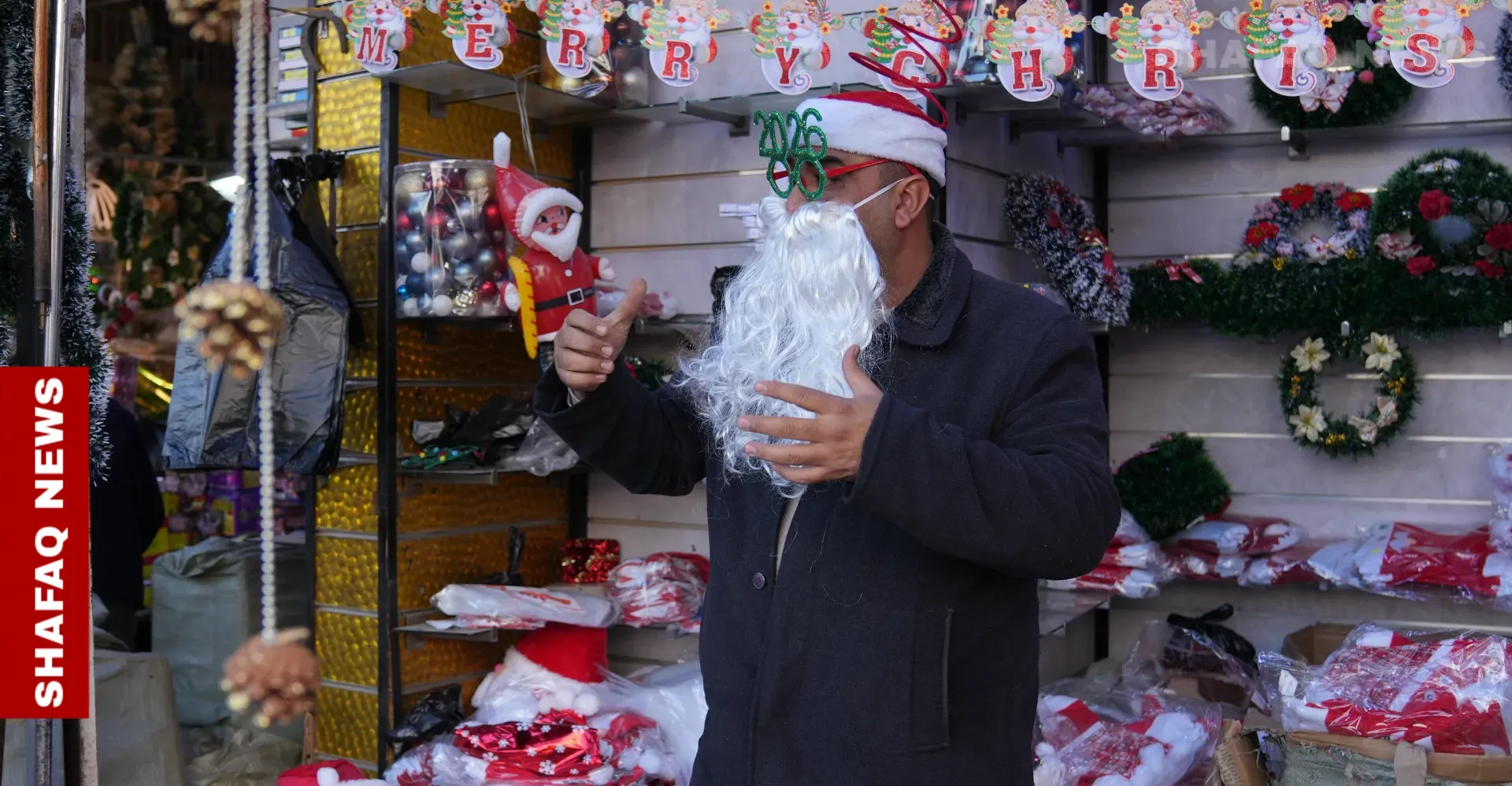
Social Media and Imported Customs
Beyond decorations and gifts, a mix of inherited beliefs and newer practices also resurfaces each year. One of the most debated traditions is the belief that eating duck on New Year’s Eve brings prosperity. The custom, still widely practiced in parts of Baghdad and other cities, has driven duck prices sharply higher, with a single bird reaching up to 80,000 Iraqi dinars ($61)—nearly double its usual cost.
Some residents told Shafaq News that
the habit is rooted in beliefs passed down through generations and linked to
good fortune and stability. Others argue it has no clear basis in Iraqi
heritage and accuse traders of promoting the idea for commercial gain. Despite
the debate, the tradition continues to attract buyers, highlighting how
folklore, the economy, and seasonal demand intersect during the holidays.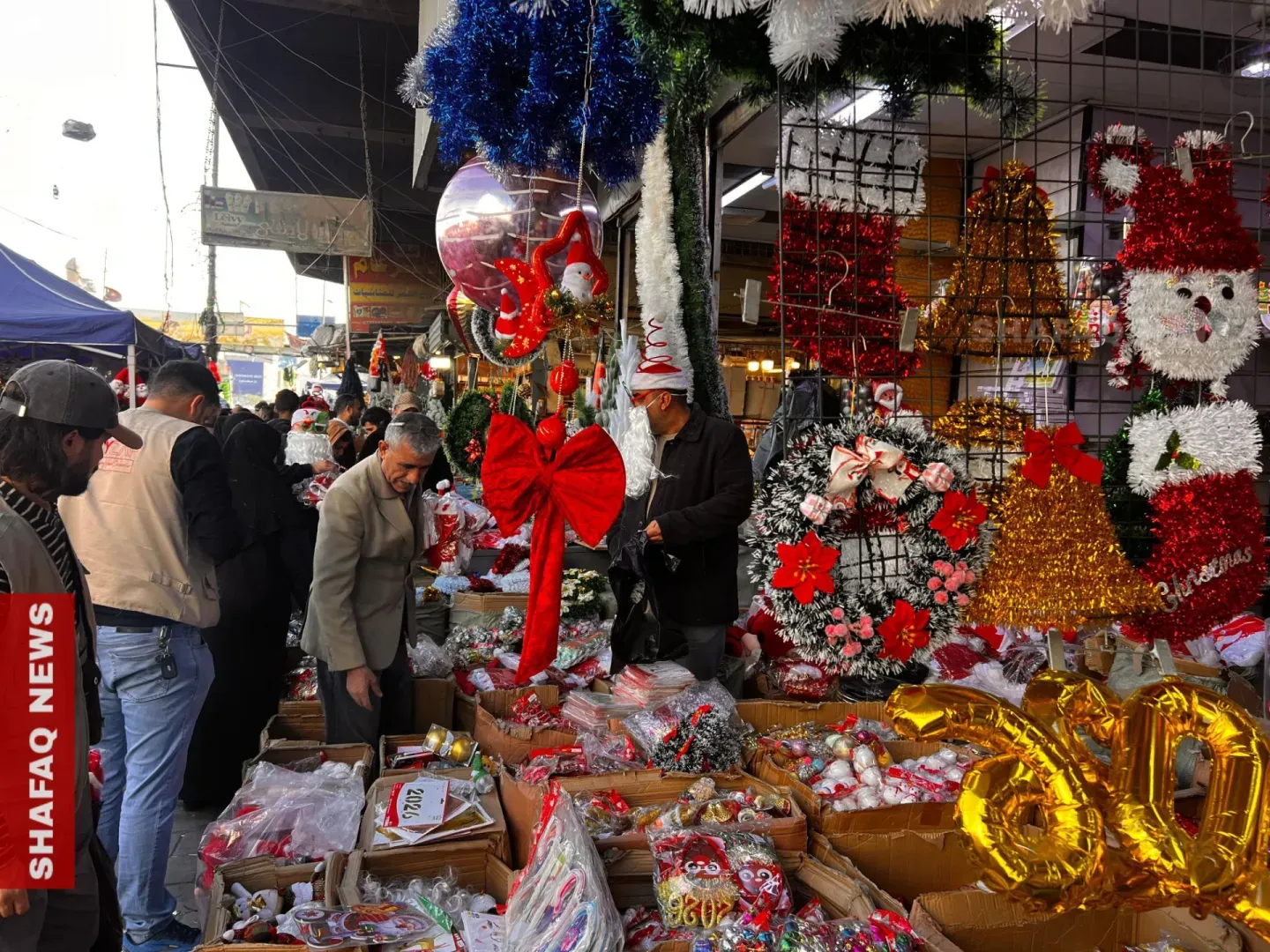
In recent years, social media has further expanded the range of New Year customs observed in Iraq. Videos promoting practices such as eating 12 grapes at midnight—borrowed from Spanish tradition—have circulated widely among Iraqi users, blending global trends with local celebrations.
Still, many families say they approach the season in simpler ways, focusing on exchanging gifts, decorating homes, and gathering with relatives—customs that emphasize togetherness and hope rather than belief in luck.
Kurdistan Region Prepares for Large-Scale Celebrations
In the Kurdistan Region, preparations have taken on a more organized and festive scale. In Erbil, local authorities have completed arrangements for a multi-day Christmas and New Year festival near the historic Erbil Citadel, and in Ankawa, the city’s predominantly Christian district.
The celebrations include a seasonal
market, artistic performances, and public events expected to draw large crowds
from across the region and other parts of Iraq. Local officials say Erbil has
become a major holiday destination, with visitors seeking a festive atmosphere
comparable to other regional capitals.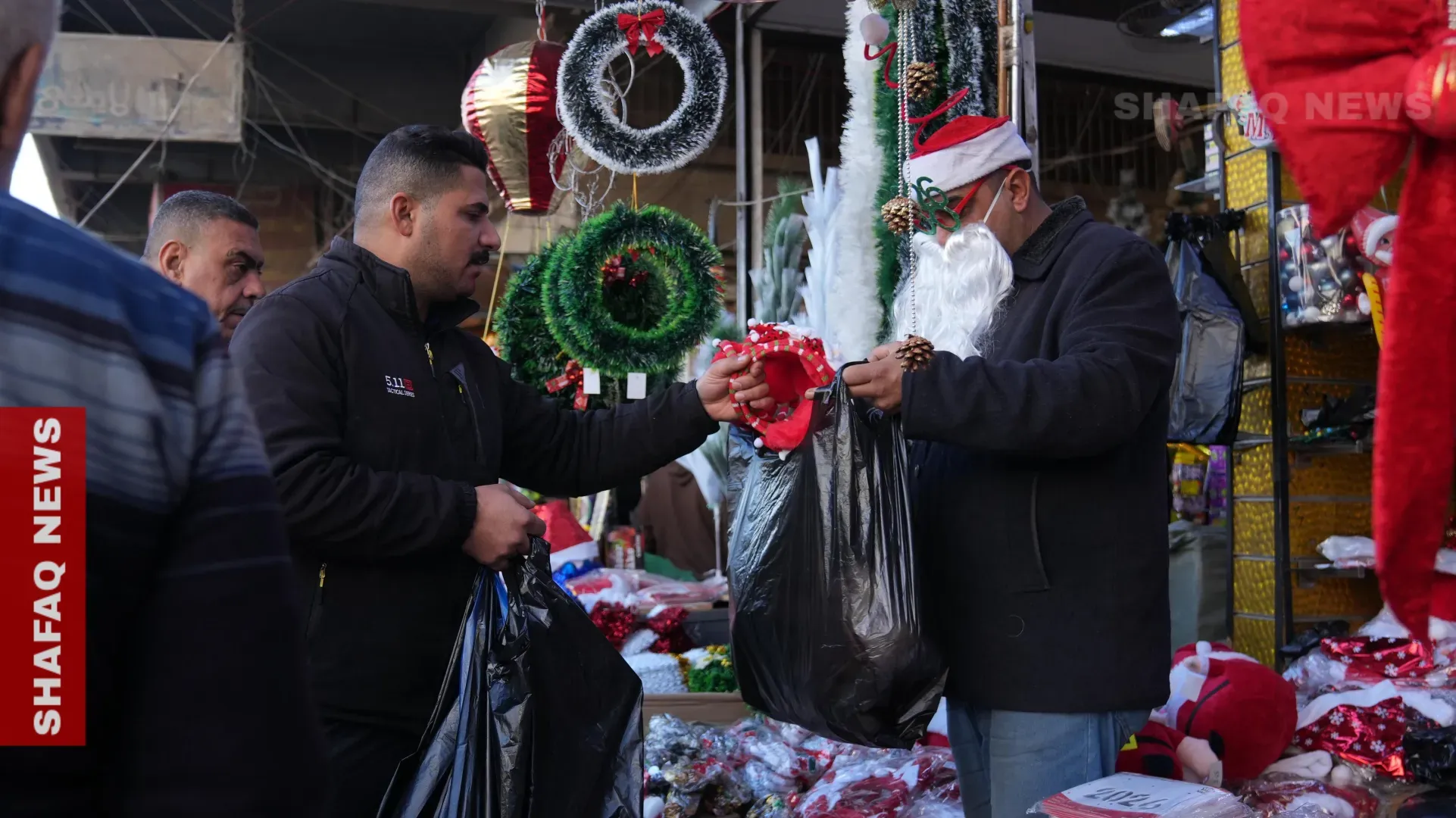
Security forces and service teams rolled out plans to manage the influx of visitors, while Ankawa hosts more than a week of festivities, reinforcing the district’s role as a cultural and religious center for Christmas celebrations in Iraq.
Safety Measures and Crowded Streets
Across Iraq, authorities have intensified security campaigns ahead of New Year’s Eve, particularly targeting the sale of fireworks. Police have launched inspections in major markets, including Shorja, seizing large quantities of fireworks and warning shop owners against selling items that could cause injuries or fires during celebrations.
Officials say the measures aim to
balance public celebration with safety, as fireworks-related accidents have
become a recurring problem at the end of each year.
As Christmas Eve approaches, scenes of shared celebration—from Baghdad’s markets to Erbil’s festivals and churches in cities such as Kirkuk—underscore how the season has become a moment of collective pause across Iraq and the Kurdistan Region, blending tradition, belief, and modern celebration.
Written and edited by Shafaq News staff.