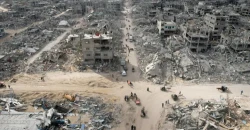
Waiting to heal: A Gaza family trapped between war and recovery


Shafaq News- Gaza
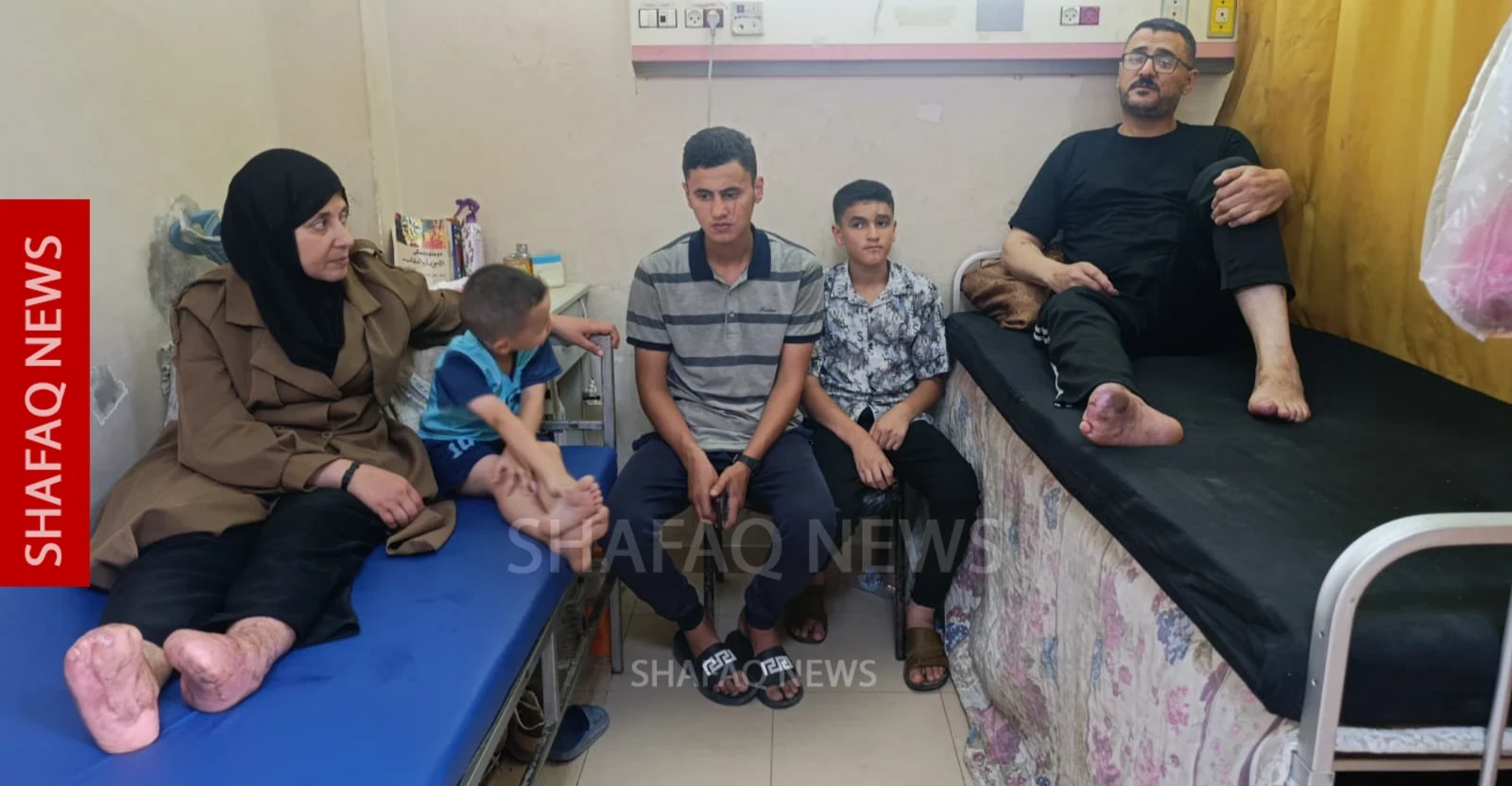
For nearly a year and a half, the Al-Deeb family has lived in a small room at Al-Aqsa Martyrs Hospital in central Gaza after an Israeli airstrike wounded six family members. Five of them still require specialized treatment unavailable inside the enclave, yet their medical referrals remain pending.
The room has become their home. Mattresses cover the floor, medicine boxes sit beside folded clothes, and the hospital corridors have replaced the streets where the children once played. Every morning begins with changing bandages, while each evening ends without the call confirming that they can finally leave Gaza for care.
Before the war, Yasser Al-Deeb worked as a pharmacist, delivering medicines across central Gaza. Like thousands of displaced families, they moved repeatedly between Rafah, Khan Younis, and Deir al-Balah before an Israeli strike hit the tent where they had taken shelter.
The attack transformed every aspect of the family’s life, Al-Deeb told Shafaq News, noting that he suffered burns to his foot and lost 30% of his hearing, while his wife lost both feet after severe burns and still carries shrapnel in her brain. Unable to work or care for their children as they once did, the couple now spend every day watching their sons wait for procedures unavailable in Gaza.
Read more: Two years of Israeli war leave Gaza in ruins
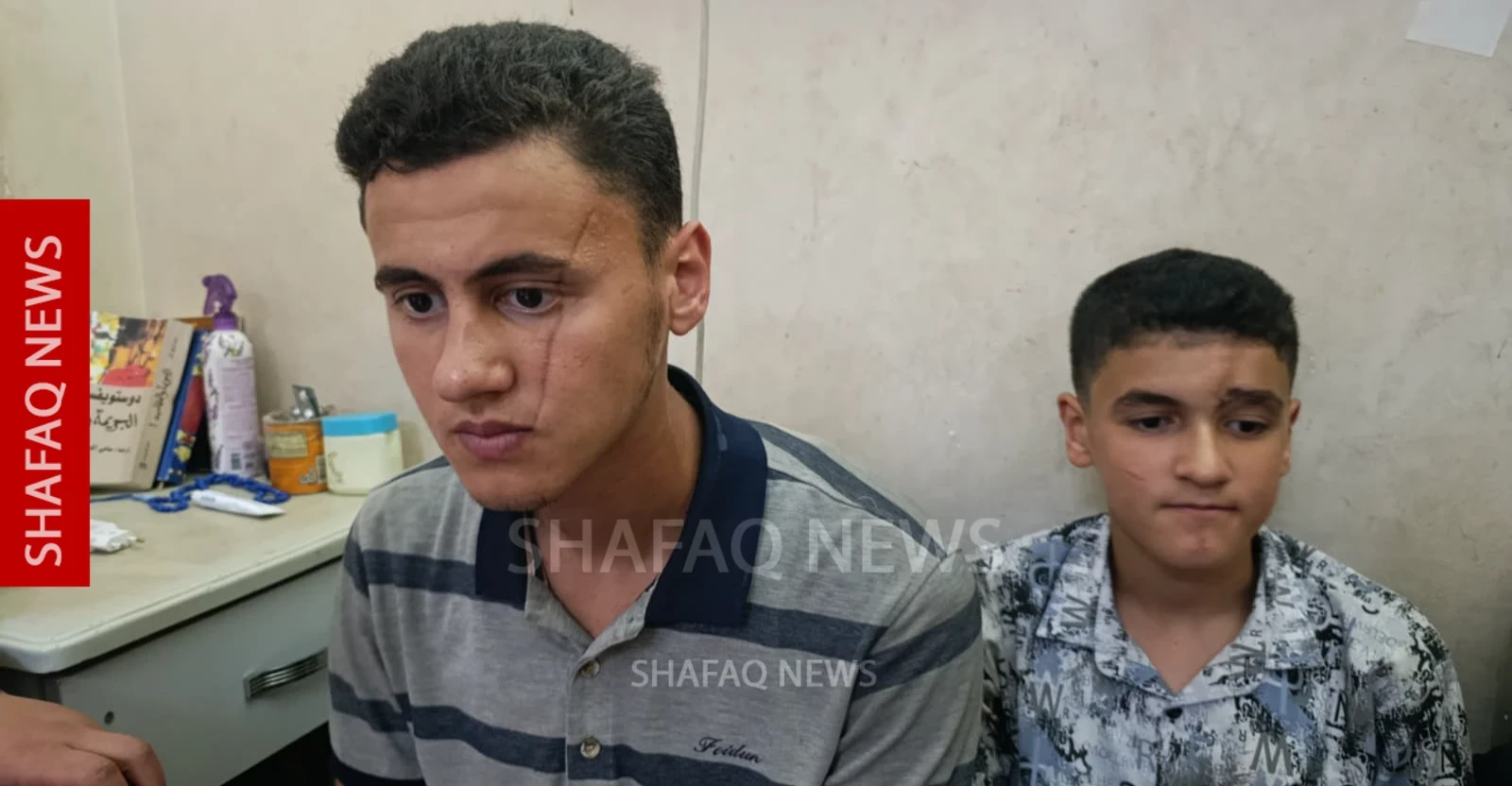
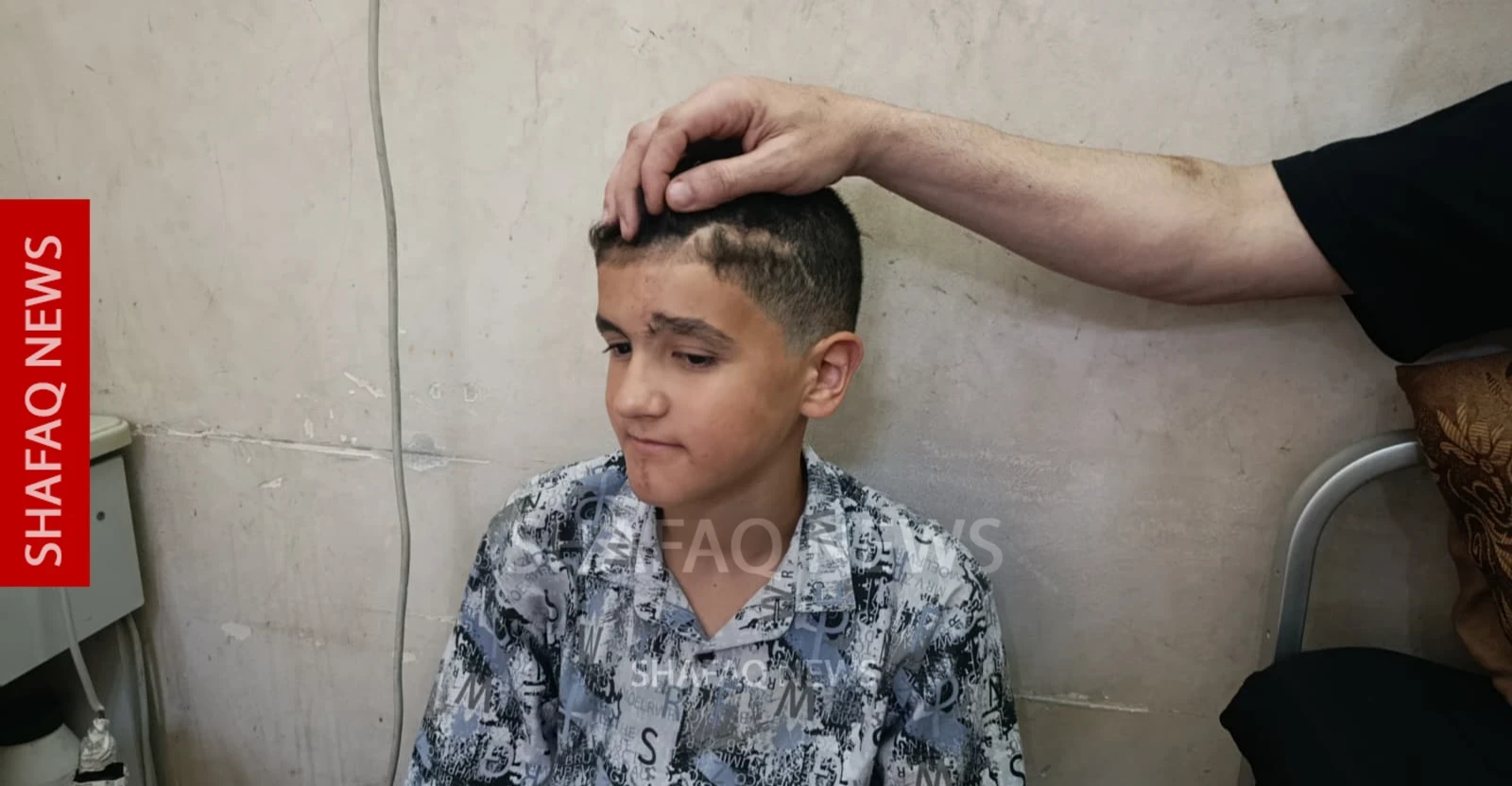
Their children suffered the worst injuries. Mohammed, 12, lost part of his skull and now needs reconstructive surgery; 16-year-old Amr lost one eye and still needs brain, facial, and eye surgery; Ahmed, now four, continues to recover from shrapnel wounds to both legs, while another son is living with burns and a fractured leg.
For Al-Deeb, every injury carries the same unanswered question: when will treatment finally come?
Every consultation ends the same way, Al-Deeb explained. Doctors tell him that Gaza’s hospitals cannot perform the neurosurgery, reconstructive procedures, and specialized eye operations his children need. Although four medical referrals were issued after evacuations resumed, none has been activated.
“The hardest part isn’t our injuries. It’s when my little son asks to go outside and see the sea. I can’t walk properly, and his mother can’t move either. Even the simplest wishes of our children have become beyond our reach.”
At Al-Aqsa Martyrs Hospital, Al-Deeb’s story is no longer unusual. “Their case represents hundreds of wounded people whose injuries are beyond what Gaza’s healthcare system can treat,” hospital spokesperson Dr. Khalil Al-Daqran told Shafaq News, clarifying that hospitals continue to receive patients with complex trauma requiring highly specialized surgery, while shortages of medicines, surgical supplies, and medical equipment have sharply reduced the care available inside the enclave.
Al-Deeb’s children are among thousands of patients waiting for treatment beyond Gaza’s borders. According to the United Nations Office for the Coordination of Humanitarian Affairs (OCHA) and the World Health Organization (WHO), more than 18,500 patients, including around 3,800 children, were still awaiting urgent medical evacuation as of March 2026. Yet fewer than 12% of referral requests submitted during the first half of 2025 were approved, one of the lowest rates recorded since 2014.
Receiving a referral is only the beginning for families like the Al-Deeb. Crossing closures and security restrictions continue to delay access to specialized treatment outside Gaza, while shortages of medicines and medical supplies leave many patients waiting with few alternatives inside the enclave.
Al-Deeb no longer speaks about returning to the life his family once knew. His concern now is far simpler: getting his children the operations doctors say could change their future. Until that call comes, the mattresses spread across the hospital room, the medicine boxes stacked against the wall, and the corridors where his children now spend their days remain the closest thing the family has to home.
Read more: Gaza’s forgotten wounded: A society rebuilt on crutches