Kurdistan Journalists Syndicate urges reform of Iraqi journalists body
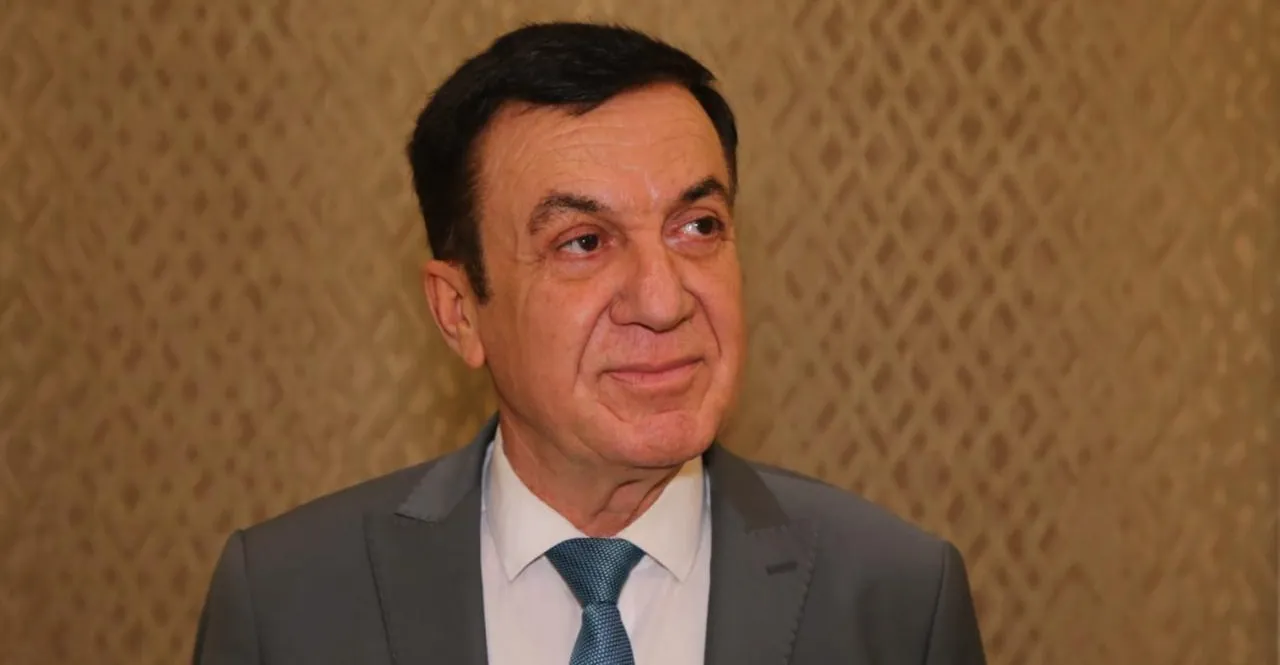


Shafaq News- Erbil
The head of the Kurdistan Journalists Syndicate, Azad Hamad Amin Sheikh Younis, urged members of the Iraqi Journalists Syndicate to reconsider the “deep-rooted legal and institutional violations,” warning that the body has drifted away from its professional role and become tied to networks of political and financial influence.
In an open letter released ahead of the Iraqi Journalists Syndicate’s 23rd conference, scheduled for February 6 in Baghdad, Sheikh Younis said the gathering comes at a “critical professional milestone” for Iraqi journalism, and that the syndicate’s current direction no longer reflects constitutional guarantees of press freedom or independent trade-union work.
He pointed out that the syndicate continues to operate under Law No. 178 of 1969, legislation enacted decades before Iraq’s 2005 constitution, which is not updated to meet modern standards of freedom of expression or contemporary trade-union practices.
“The syndicate gradually shifted from a professional institution to a political and financial inheritance, linked to personal interests and entrenched leadership”. He referred to the long tenure of syndicate president Muayyad Al-Lami, accusing the current administration of consolidating control and weakening collective decision-making.
Sheikh Younis said political interference in syndicate affairs intensified after 2003, pushing the organization toward partisan and commercial activity at the expense of professional representation. He also criticized public remarks by the syndicate’s leadership about self-financing its operations, which “undermined transparency and internal accountability.”
The syndicate’s president also raised concerns about the Arab Journalists Union, which “had become a channel for political influence and interference, including in matters related to the Kurdistan Region.”
On media policy, he argued that successive Iraqi governments failed to uphold the Communications and Media Commission Law of 2004, which stresses media independence and cooperation with professional journalists’ bodies, accusing state-funded media institutions of operating as political platforms and of committing violations against journalists’ rights, particularly in the Kurdistan Region.
Sheikh Younis also highlighted what he described as discriminatory practices by the Iraqi government in the distribution of financial grants and land allocations, because journalists in the Kurdistan Region were excluded despite constitutional requirements for equal treatment of legally recognized professional organizations.
“We call on conference members to work toward opening a new chapter that restores the independence of syndicate work and protects the dignity and rights of journalists across Iraq,” he concluded.