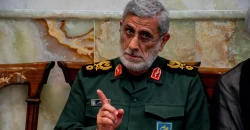
Qaani holds unannounced meetings in Baghdad on armed factions’ weapons


Shafaq News– Baghdad
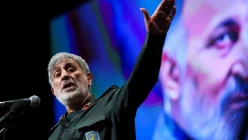
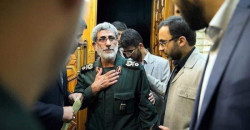
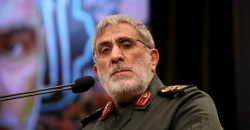
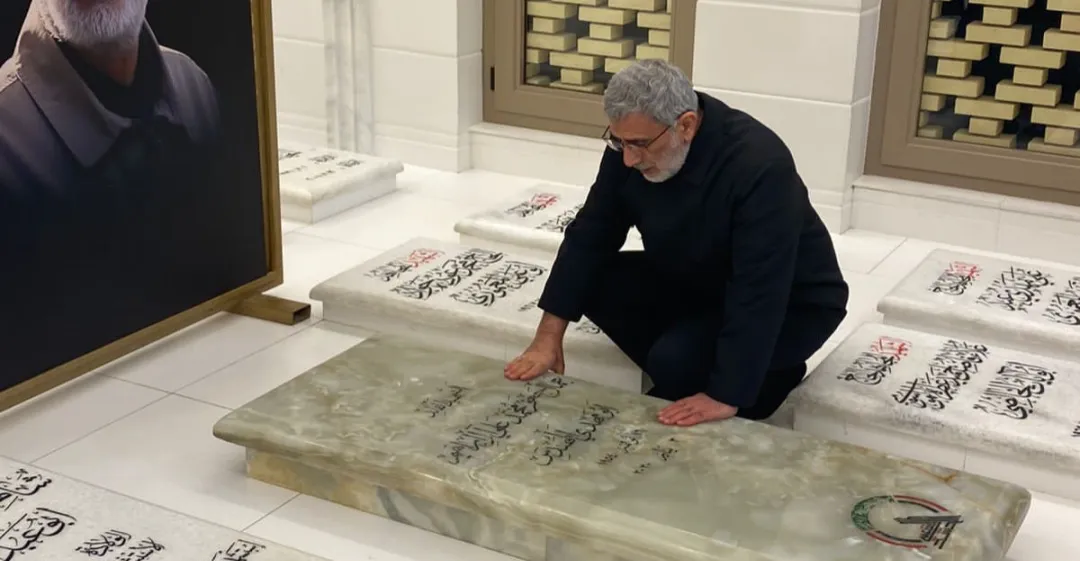
The commander of Iran’s Quds Force, Esmail Qaani, made a brief, unannounced visit to the Iraqi capital, Baghdad, within the past 48 hours, during which he met with several leaders of Iraqi armed factions, political sources told Shafaq News.
The sources, who requested anonymity due to the sensitivity of the matter, said Qaani remained in Baghdad for only a few hours, indicating that the meetings focused primarily on the issue of factional weapons and how they are managed, amid efforts to contain potential disagreements among armed groups over the handling of this file.
According to the sources, the discussions aimed to prevent the weapons issue from turning into a source of internal tension or conflict among the factions. “Qaani stressed the importance of maintaining a unified position and avoiding internal escalation, and urged that the matter be addressed through coordinated mechanisms that preserve security stability and avert broader political or security repercussions for Iraq.”
The debate over limiting weapons to state authority has moved to the forefront of Iraq’s political and security landscape in recent months amid growing messages from Washington linking stability and bilateral relations to ending the presence of arms outside official institutions or integrating armed formations into formal state structures under clear legal frameworks.
Political sources also pointed to internal confusion among armed factions themselves over how to approach the weapons file, including whether arms should be handed over to the state, restricted under specific arrangements, or retained for a later stage.
Some factions, including Kataib Hezbollah and Harakat Hezbollah al-Nujaba, have from the outset firmly rejected any move to hand over or restrict their weapons. They argue that such steps should only be considered after what they describe as the end of “foreign occupation” in Iraq, particularly the presence of US and Turkish forces.
Other factions, such as Kataib Imam Ali and Asaib Ahl al-Haq, have taken a more flexible stance, indicating that the issue remains under negotiation and should ultimately serve the interests of the Iraqi state.
Despite operating under a joint coordination framework, a later statement issued by the Resistance Coordination Committee, which represents the armed factions, said there would be “no restriction of weapons” unless four specific conditions were met. These include the passage of the Popular Mobilization Forces (PMF) Law and the removal of all forms of what it described as occupation and related threats.
The statement itself, however, became a point of contention after Asaib Ahl al-Haq publicly distanced itself from it, saying the position did not represent the group.
Read more: Iraq’s armed factions and the disarmament debate: Why unity masks deep divisions