Iraq seeks $2.5B in dollar shipments, PM says



Shafaq News- Baghdad
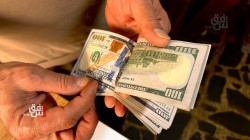
US concerns over dollars reaching armed factions have affected cash shipments to Iraq, with Baghdad seeking shipments of up to $2.5 billion to narrow the exchange rate gap, Prime Minister Ali Al-Zaidi said on Friday.
In an interview with Al-Iraqiya TV, Al-Zaidi said his government had increased monthly cash dollar supplies from $140 million to $500 million and was working to raise US dollar shipments to more than $1 billion per month.
The government also aims to bring the dollar's exchange rate down to 155,000 Iraqi dinars per $100 or less. “However, previous efforts to lower the dollar's value had failed to benefit citizens, with currency speculators profiting from the difference.”
According to Al-Zaidi, a higher dollar exchange rate supports Iraq's industrial and agricultural sectors by making local products more competitive, while some neighboring countries flood the Iraqi market with surplus goods, undermining domestic producers.
Read more: Traders struggle with Iraq's dinar devaluation
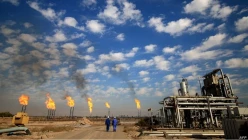
On oil revenues, Al-Zaidi said one million barrels of oil had previously been sold to the Oil Ministry at 5,000 dinars (about $3.29) per barrel, “creating opportunities for corruption.” The government has since revised domestic oil pricing, a move expected to generate around 20 trillion dinars ($13.2 billion) annually for the treasury. The revised pricing could generate 80 trillion dinars ($52.6 billion) over four years, he added, noting that the government had jailed people implicated in corruption involving Oil Ministry contracts and audited those contracts.
Regional tensions have disrupted Iraq's oil exports, while the Strait of Hormuz crisis has prevented the country from benefiting from higher global oil prices, Al-Zaidi said. Baghdad is developing a pipeline network and seeking to revive the Ceyhan route through Turkiye to diversify exports and reduce its dependence on the strait.
Read more: Iraqi dinar devaluation sparks backlash from blocs inside the cabinet
Regarding taxes and customs duties, Al-Zaidi said the government had waived certain taxes and customs duties to lower the prices of essential goods, including fruits, vegetables, most food products, medicines, and solar energy equipment and systems.