Iran’s Larijani: Hezbollah and resistance movements need no guardianship


Shafaq News - Baghdad
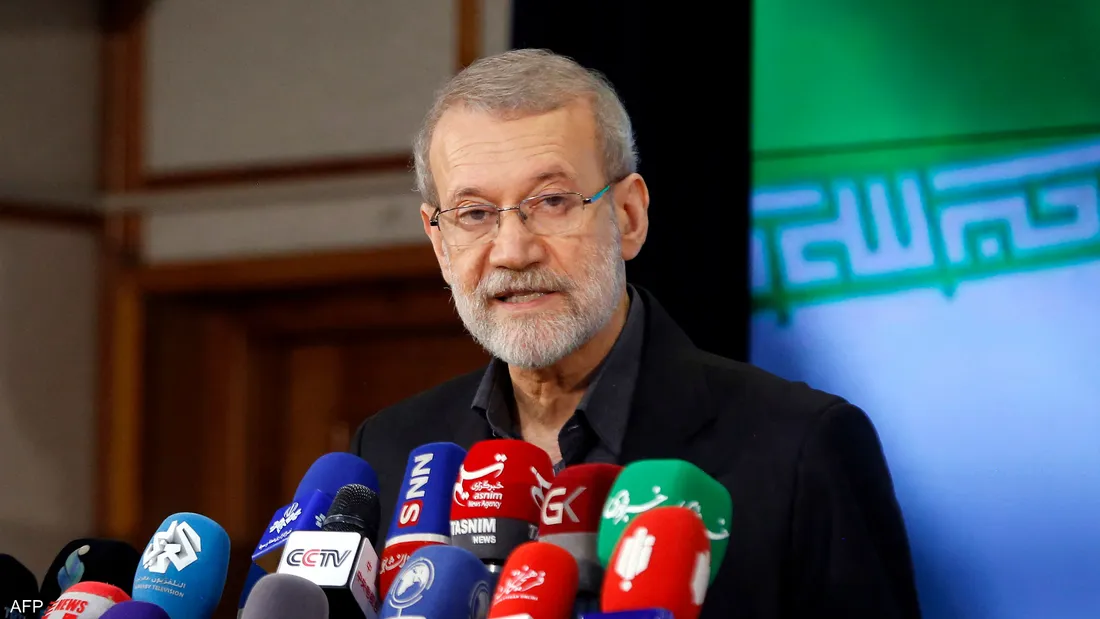
Iran’s Supreme National Security Council Secretary Ali Larijani asserted on Tuesday that Lebanon’s Hezbollah and other resistance movements operate independently and “answer to no guardian.”
Speaking at a press conference in Baghdad, Larijani described the peoples of Iraq and Lebanon as “mature and courageous,” emphasizing that Iran does not dictate their political choices, according to Tasnim News Agency. He dismissed allegations of Iranian interference in Iraq’s elections as “inaccurate,” noting that his country “shares ideas, but does not issue orders.”
Regarding the recent Iran–Iraq security memorandum signed under the oversight of Iraqi Prime Minister Mohammed Shia al-Sudani, he highlighted its core as a commitment by both sides to prevent “others from harming the security of either country.”
Larijani further elaborated that Hezbollah and other resistance factions, including in Iraq, have undergone significant growth in political awareness, making any form of oversight unnecessary.
Arriving in Baghdad on Monday for a two-day official visit, Larijani met with Iraq’s PM, president, parliament speaker, foreign minister, and other influential figures.
The trip comes at a time when Washington is pressing Iraq to block the Popular Mobilization Forces (PMF) Authority law—legislation that would formalize and expand the powers of the Iran-aligned coalition—and to push for its disarmament. Tehran has resisted these moves, warning that “without it, the Americans would have swallowed Iraq.”
The visit also coincides with growing international calls for Hezbollah in Lebanon to surrender its weapons. Tehran rejects the disarmament push as an American- and Israeli-backed scheme aimed at weakening the movement, while critics of Iran view this position as interference in Lebanon’s internal affairs. An informed source told Shafaq News that Larijani’s mission will focus on restructuring the “Axis of Resistance” and reinforcing Iraq’s role in regional stability.