Shortages and low-quality fuel drive restrictions in Iraq’s Nineveh


Shafaq News- Nineveh
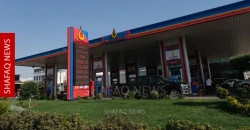
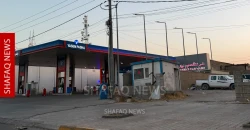
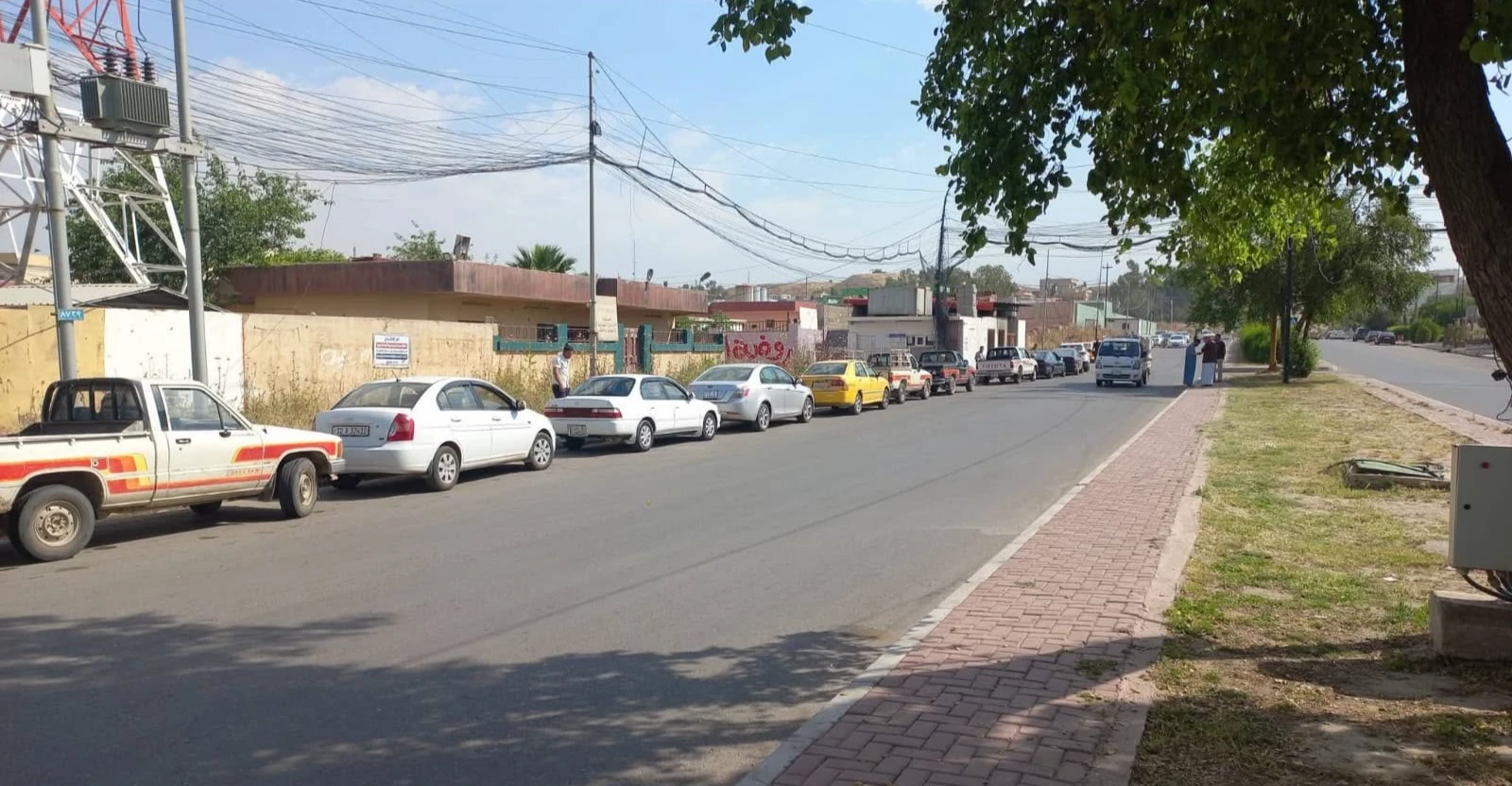
A gasoline shortage in Iraq’s Nineveh province has left motorists facing long queues at fuel stations, with growing complaints over fuel quality and supply availability as authorities move to tighten distribution controls and curb unauthorized trading.
Drivers across the province told Shafaq News that the problem has extended beyond waiting times, with many describing poor vehicle performance from the gasoline being supplied, including subsidized “improved” fuel. They attributed repeated vehicle problems and engine damage to the low octane levels found in some supplies.
An official at the State Oil Products Distribution Company disclosed that new measures will be introduced to regulate fuel distribution and prevent unauthorized trading. The planned system would require vehicle owners to obtain gasoline through a fuel card system using existing paper cards, electronic cards, or mobile-linked QR codes. The measures would also verify vehicle ownership details before fuel is supplied.
Nineveh has long relied on a fuel card system, but oil authorities are now working to strengthen monitoring mechanisms. The Provincial Council is also seeking a higher daily fuel allocation for the city, while residents have called for imported gasoline to undergo technical testing before entering the market to ensure it meets required quality standards.
In Iraq’s Kurdistan Region (KRI), fuel prices have faced pressure in recent months. Commercial gasoline exceeded 1,300 dinars ($0.99) per liter before a July price cap was introduced. In Al-Sulaymaniyah, regular gasoline reached 1,000 dinars ($0.76) per liter in June, while improved and super grades were sold for 1,200 dinars ($0.92) and 1,350 dinars ($1.03), respectively.
KRI requires between 126,700 and 140,000 barrels of fuel per day but receives about 50,000 barrels from the federal government, according to Acting Natural Resources Minister Kamal Mohammed. More than 2.709 million vehicles are registered across the region, adding further pressure on subsidized fuel supplies.