Iraq loses $590M to fake food ration recipients


Shafaq News- Baghdad
Iraq hemorrhaged nearly $590 million in a single year distributing food rations to more than three million ineligible recipients, including the deceased and citizens living abroad, officials told Shafaq News.
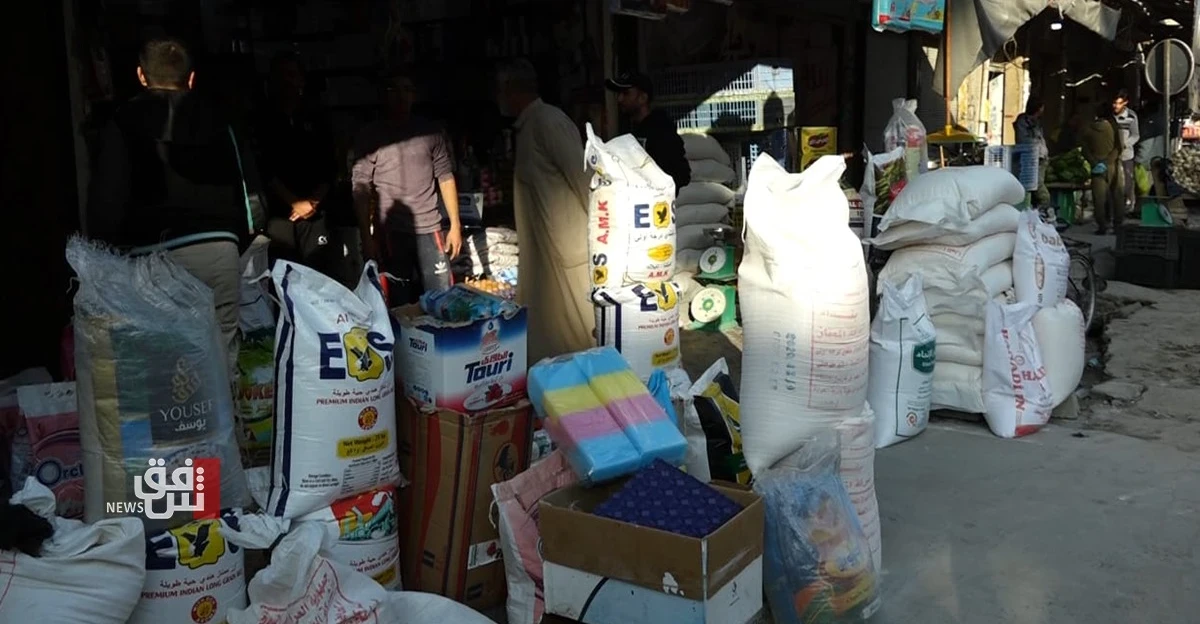
With a population of roughly 46 million, a large share living below the poverty line, the system remains a critical lifeline, economist Karim Al-Hilou said. About four million fictitious names have drained vast sums over the years, while current allocations are “miserable” compared to an earlier system that provided twelve items. Sugar and legumes fall short, and rice often arrives in grades unfit for consumption, prompting many to sell it instead.
Even salaries reaching one million dinars (around $655) fail to cover basic needs, Al-Hilou added, making the food basket a strategic necessity that cannot be cut but must be fixed, with allocations limited to eligible recipients.
Official figures acknowledge more than 4.4 million fictitious names in the ration card database, a fraud the state estimates drains roughly $500 million annually. Former MP Amir Al-Mamouri argued that the scale became clear after database updates revealed more than three million ineligible recipients whose names were never removed despite death or prolonged absence abroad.
The state budgets for ten distributions annually, each costing just under one trillion dinars (around $654 million), yet citizens missed two allocations last year without explanation, Al-Mamouri said.
He also described the current five-year supply contract as overpriced, with each basket valued at about $9 despite competing offers at significantly lower costs. He called for an immediate review, citing a structural conflict of interest involving intermediaries between the Ministry of Trade and producers. Some goods, including cooking oil and sugar, are manufactured domestically by firms such as Al-Dar Company and Al-Ittihad Company, yet contracted prices remain above local production costs.
Parliamentarian Saud Al-Saedi estimated losses at 500 billion dinars (around $327 million) per month due to pricing gaps, noting the ministry pays $9 per basket while the actual cost is closer to $6.
Ministry of Trade spokesperson Mohammed Hanoon, meanwhile, told Shafaq News that the food basket remains the ministry’s top priority, attributing delays in some supplies to contracting procedures and global supply disruptions rather than institutional failure.
He said the ministry is developing electronic systems to streamline processes, with a digital overhaul already updating records for 38 million citizens and reducing direct contact that enabled corruption.
The current basket, he explained, includes seven items: rice, sugar, cooking oil, tomato paste, legumes, and flour, while social welfare recipients receive additional supplies including higher-grade flour, milk, and tea.
The ministry said in January 2026 that strategic reserves remain sufficient.
Read more: War fears drive panic buying across Iraqi markets